Spring Things to Do in Houston Locals Recommend
From azalea season at Bayou Bend to bayou trails before the humidity sets in, a local, no-fluff rundown of spring things to do in Houston across every part of the city.
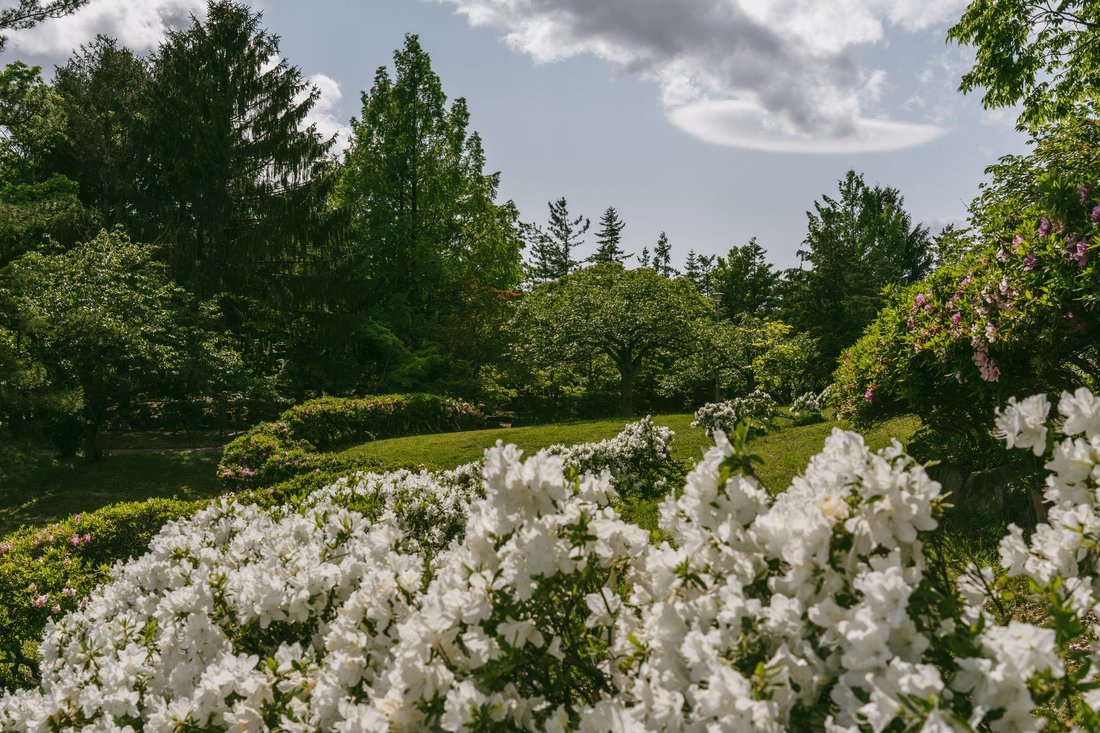
By the first weeks of March, the azaleas beneath the live oaks at Bayou Bend typically shift from bare branches to thick, layered color, pink and white crowding the allee, and the gravel path underneath fills with people who timed their lunch break around it. A few miles east, horse trailers start rolling into NRG Park for another Houston Livestock Show and Rodeo, and Montrose restaurant patios that sat empty all January suddenly need a waitlist. This is what spring things to do in Houston actually look like on the ground: a short window, roughly eight or nine weeks, when the parks turn green and the bayous go walkable without an umbrella. The outdoor tables become the good seats instead of the overflow. Houstonians who have lived through a few of these seasons know not to waste it. The city does not really have a spring festival season so much as a spring window, and nearly everyone with a patio, a garden, or a trail throws it open at once.
What follows is organized by what you actually want to do that day, not by neighborhood boundary, because half the appeal of spring here is that a good afternoon can start on a bayou trail near downtown and end at a dim sum table in Bellaire without much planning. Every place below is real and open to the public in some form. Most are worth the drive even if you have lived here twenty years.
Parks and Bayous Set the Pace for Spring Things to Do in Houston
No single museum or event does as much work in spring as the park system. The grass greens up, the live oaks leaf out, and the bayous that flood the news every hurricane season turn back into what they are most of the year: long, shaded, mostly flat corridors that make the city feel walkable.
Buffalo Bayou Park
The two-and-a-half-mile stretch of Buffalo Bayou Park between downtown and the Shepherd Drive area is the closest thing Houston has to a signature outdoor room. Spring is when it earns that reputation, with the hike and bike trails crowded by golden hour and dog walkers on every bridge. When the current is slow, the skyline doubles itself in the water too.
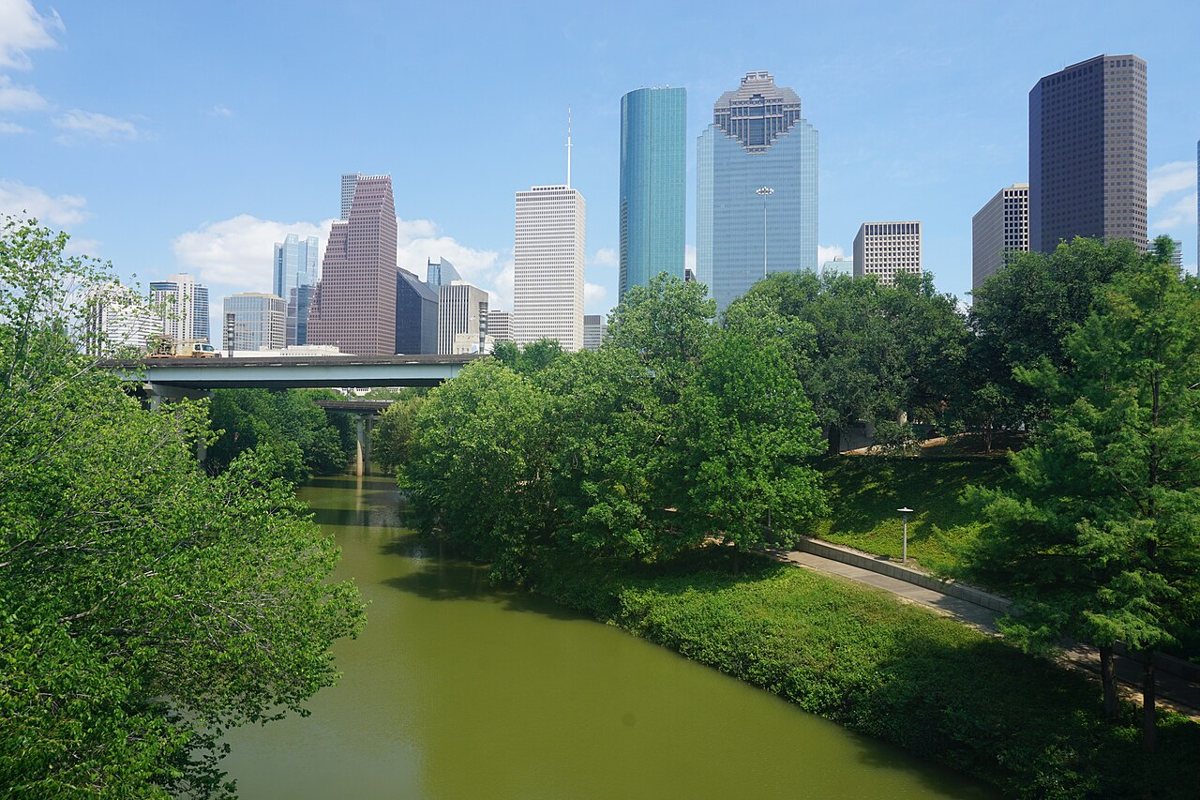

What to do: cover the full stretch on foot or by bike, starting near the Sabine Street promenade and finishing at the Waugh Bridge, where a colony of Mexican free-tailed bats roosts under the deck and starts emerging around dusk in the warmer months. Rent a kayak from the park's boat launch if the water is calm. Duck into the Buffalo Bayou Park Cistern, a decommissioned underground reservoir turned art space, when you want fifteen minutes out of the sun. Skip the fight for street parking near the Rosemont Bridge and leave the car at the Water Works building instead; a weekday morning gets you the trail without the stroller traffic. The park sits just west of downtown, spanning Montrose and the edge of the Fourth Ward.
Memorial Park and the Eastern Glades
Memorial Park is enormous by any city's standard, and its newer Eastern Glades section, built around a twenty-plus-acre lake, is where spring shows off best. Wildflowers come in along the meadow edges and the tree canopy is finally back after years of drought recovery work. Even as afternoons warm up, the boardwalk over the water stays cool.
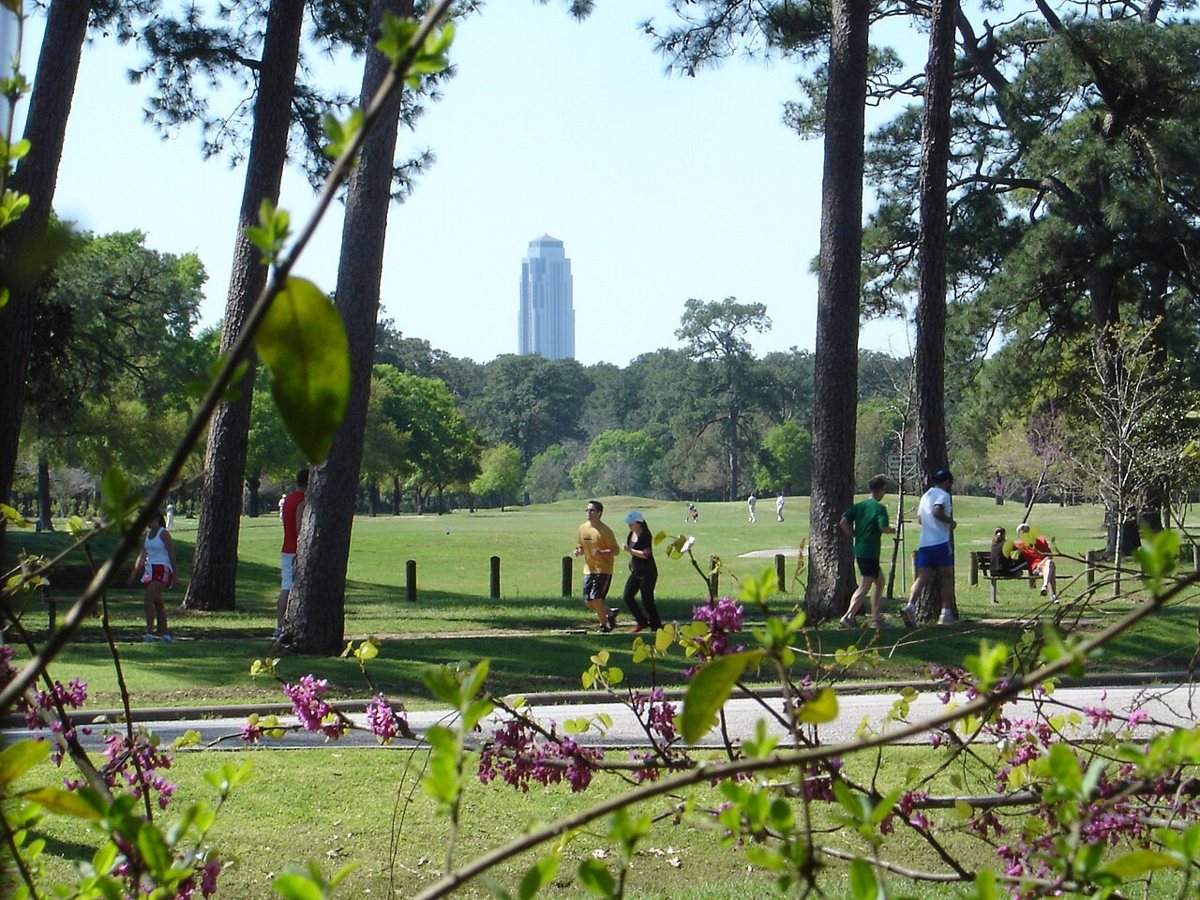

What to do: walk the Seymour Lieberman Trail, a roughly three-mile loop that locals have used for decades, or take the flatter paths through the Eastern Glades if you want shade and a bench with a view. The picnic groves near the lake fill up on weekends, so bring a blanket and claim a spot by late morning. Training groups take over the running trails before 8 a.m., so quiet-minded walkers do better arriving later, once the serious runners have cleared out. You'll find the park just inside Loop 610 on the west side, bordering the Memorial and Rice Military neighborhoods.
Hermann Park
Hermann Park sits at the center of the Museum District and functions almost like the city's town square in spring. The reflection pool and the McGovern Lake paddle boats see more foot traffic than any other three months combined, and so does the statue of Sam Houston on his horse nearby.
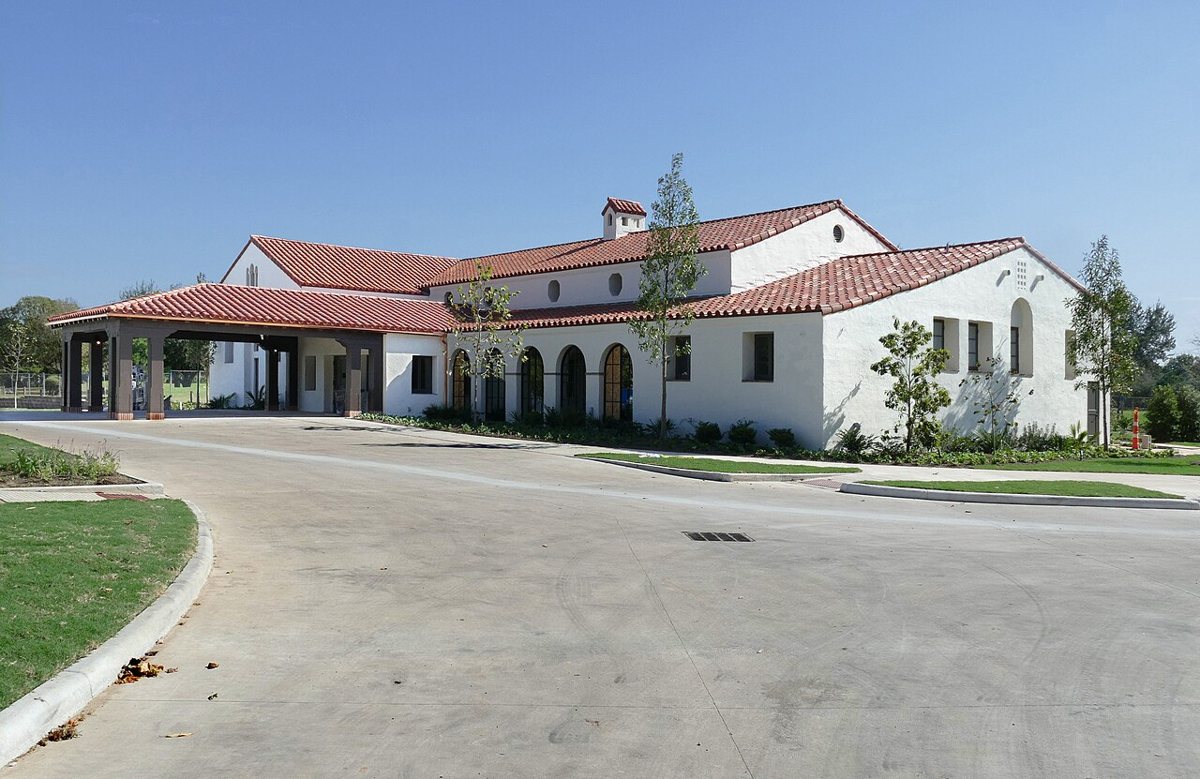

What to do: rent a paddle boat on McGovern Lake, ride the small train that loops through the park, or just walk the promenade between the reflection pool and the Mecom Fountain. The park connects directly into two of the garden stops later in this guide, so it works as a home base for a longer day. Parking near the Hermann Park Golf Course lot is easiest on weekday mornings, before the zoo crowd arrives. The park itself falls within the Museum District, bordered by Rice University and the Texas Medical Center.
Discovery Green
This downtown park was built to give office workers and hotel guests a green space within walking distance of the convention center, and spring is when it does the most business, with lunch crowds on the lawn and evening programming on the small stage.
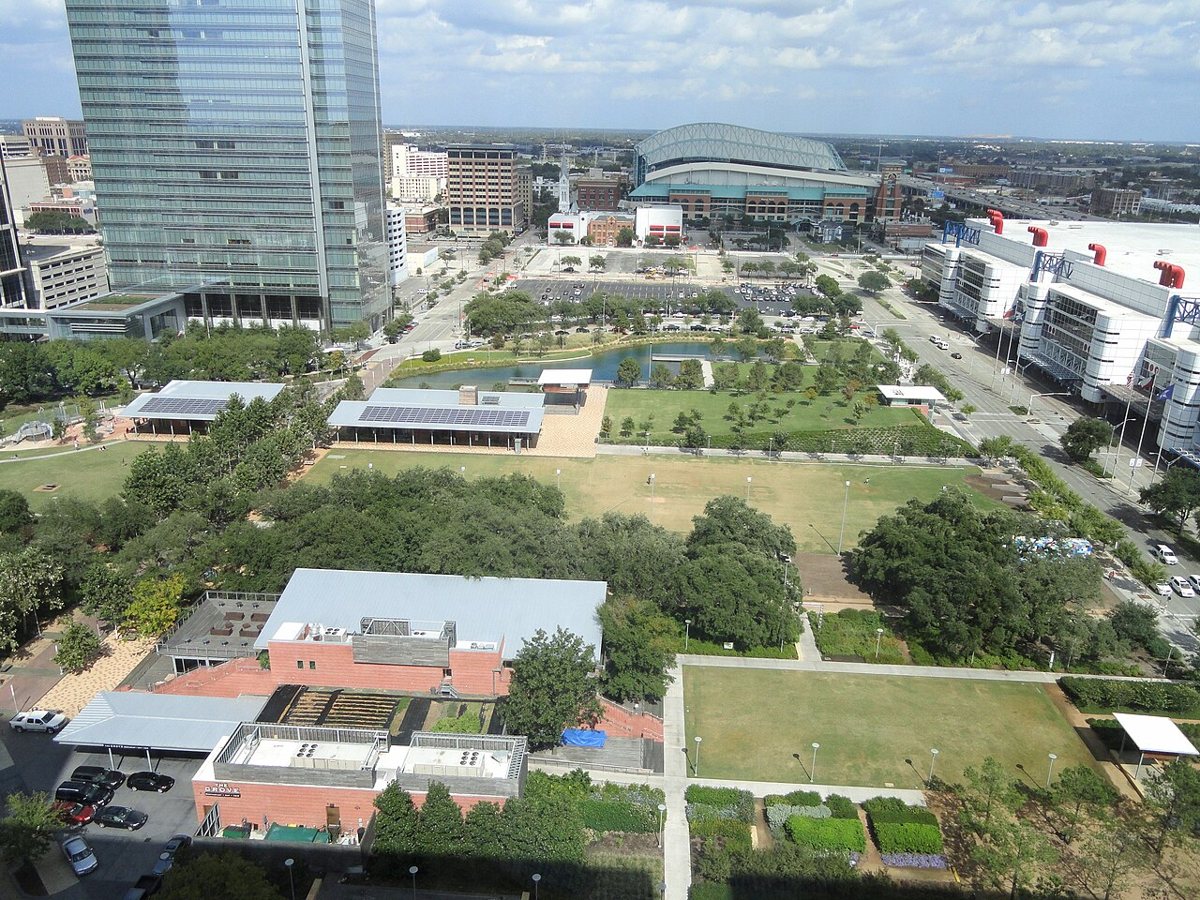

What to do: bring lunch from one of the food trucks that park along the edge, walk the paths around the two small lakes, or let kids loose on the interactive fountain and the play area. Discovery Green also hosts a Saturday farmers market that draws downtown residents and office workers alike. The shaded tables near the lake fill first, so an early lunch is the move if you want a seat with actual shade. Discovery Green sits downtown, next to the George R. Brown Convention Center.
Gardens in Bloom
Spring is garden season in Houston in a way that has nothing to do with marketing. The azaleas and Japanese maples hit their stride. So do the wildflower beds built to survive the summer heat, and several of the city's formal gardens plan their entire calendar around this stretch.
Houston Japanese Garden
Tucked inside Hermann Park, this five-and-a-half-acre garden was a gift from Houston's sister city of Chiba, Japan, and it is one of the few spots in town where the design itself, not just the flowers, changes with the season.
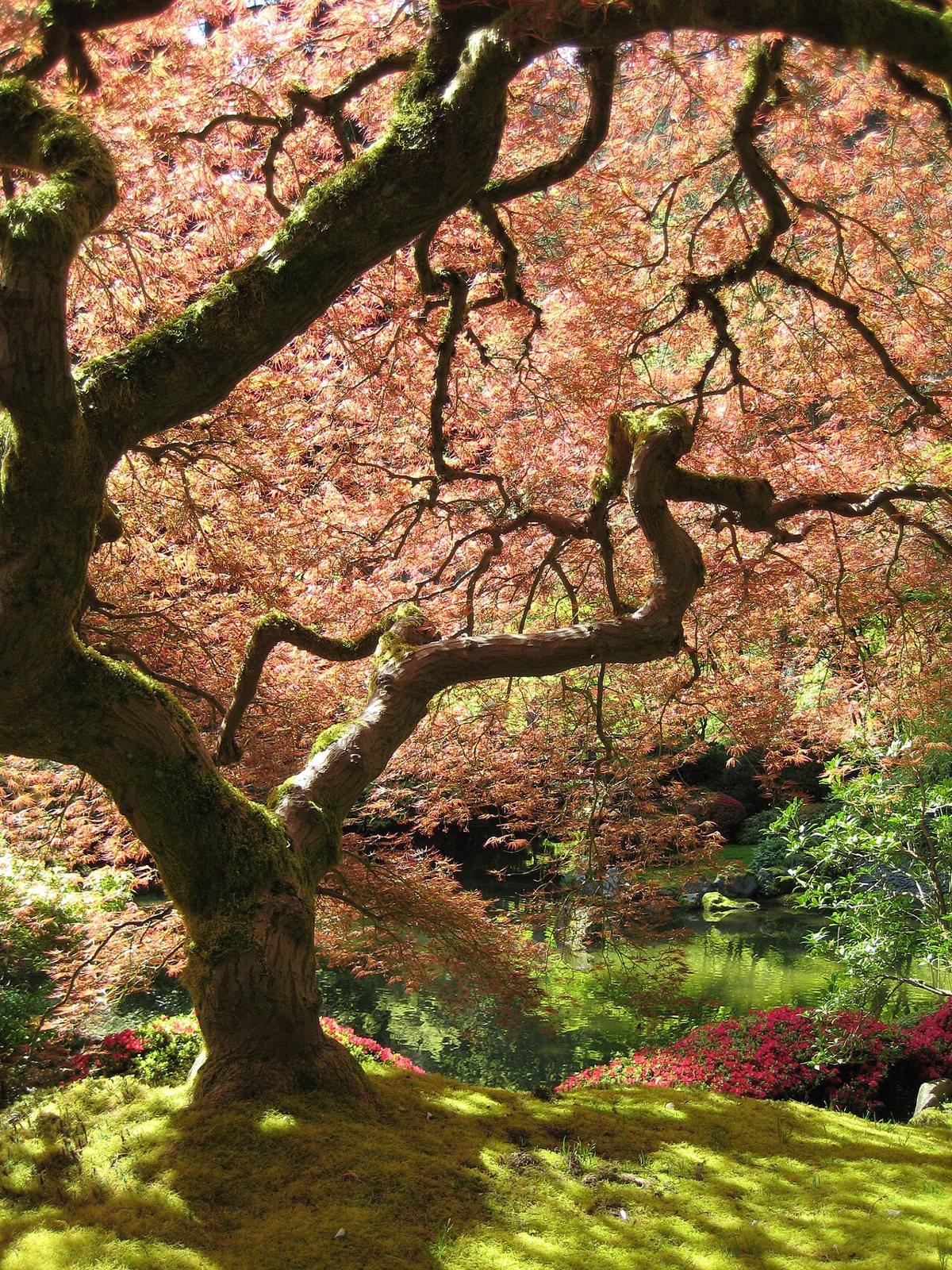

What to do: walk the winding gravel paths past the koi pond and the waterfall, pausing at the stone lanterns, and slow down. This is not a garden built for a quick lap. Arrive right at opening on a weekday and the koi pond is yours, with no one else's reflection in your photos. The garden sits inside Hermann Park, near the Houston Zoo entrance.
McGovern Centennial Gardens
Also inside Hermann Park, this newer garden was built on a man-made mound with terraced beds that rotate seasonal plantings, and spring is when the color plan is at its most ambitious.
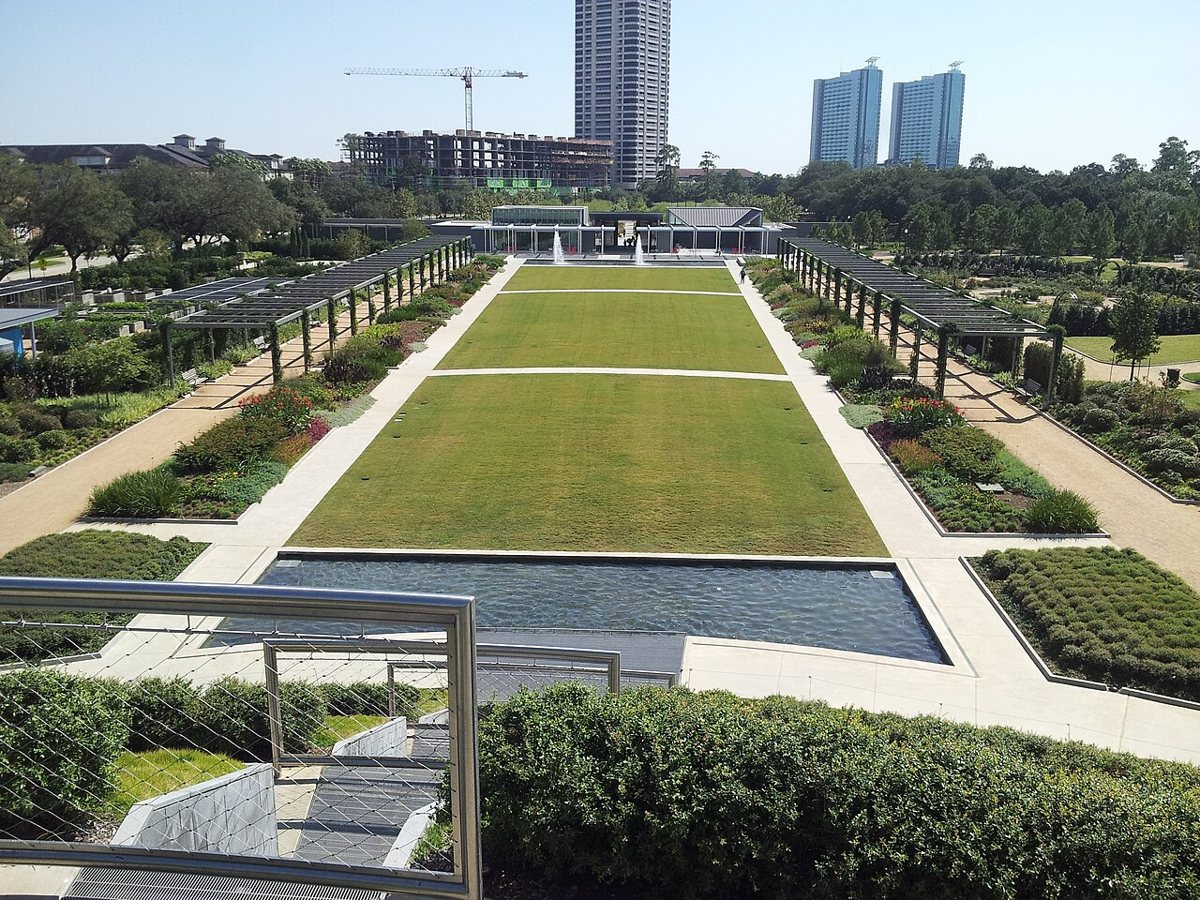

What to do: climb to the top of the mound for one of the better free views of the Museum District skyline, then work your way down through the themed garden rooms, including a children's discovery garden with a maze. The mound gets warm fast once the sun is overhead, which makes this more of a morning stop than a midday one. It sits inside Hermann Park too, adjacent to the Japanese Garden.
Bayou Bend Collection and Gardens
The former River Oaks estate of collector Ima Hogg, now part of the Museum of Fine Arts Houston, is best known in spring for one thing: the azalea trail that runs beneath its live oaks, which has been drawing crowds for generations.
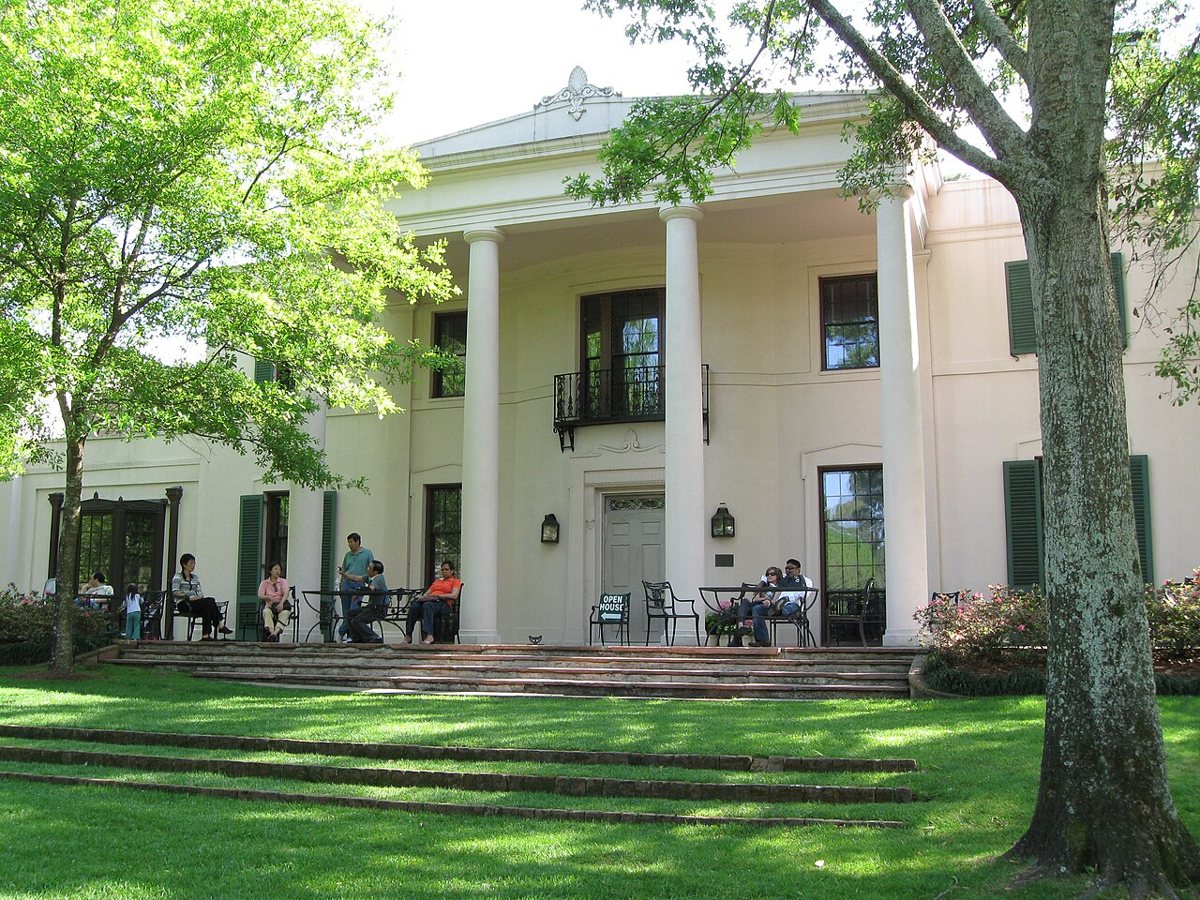

What to do: walk the eight distinct garden rooms on the grounds, then tour the house itself for its American decorative arts collection if you have the time. The azalea bloom is weather-dependent and varies year to year, so no single week is guaranteed, but the overall window runs through the early spring. A garden-only ticket lets you skip the house entirely, which is the move if you are short on time. Bayou Bend sits in River Oaks, along Buffalo Bayou.
Houston Arboretum and Nature Center
This 155-acre nature preserve inside Memorial Park operates like a working forest more than a manicured garden, and spring is when the understory wakes up. Wildflowers push up along the trail edges and songbirds move through on migration, all under hardwoods that have just leafed out.
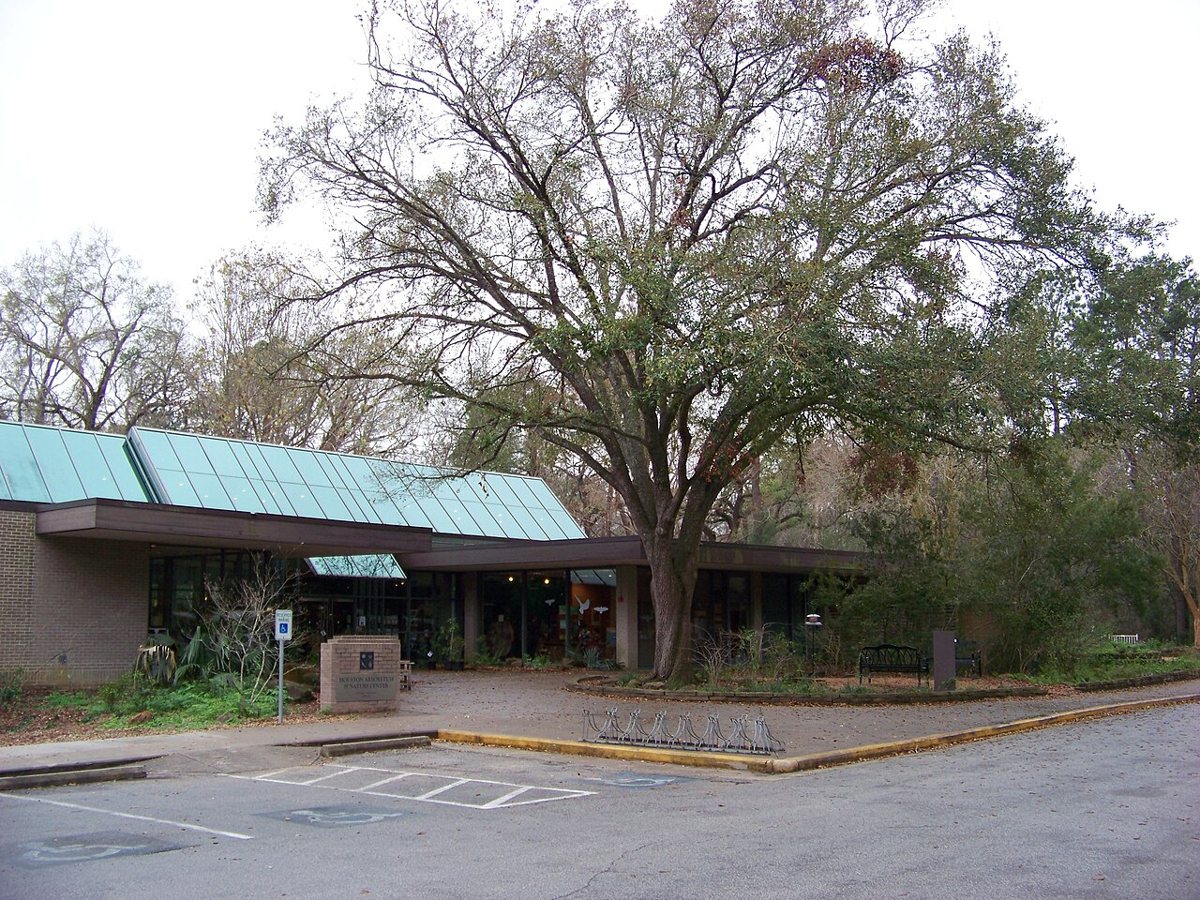

What to do: walk the Outer Loop Trail for the fullest sense of the forest and stop at the Woodland Pond for turtles and frogs. If you have kids in tow, the nature center's exhibit hall is worth a look too. Spring migration makes this one of the better in-city birding spots, and the trails stay muddy after rain, so real shoes matter. Weekday mornings bring out serious birders with binoculars and a quiet that weekend crowds rarely allow. It's inside Memorial Park, off Loop 610.
Museums and Culture Without the Summer Crowds
The museum scene does not close for spring, but it gets noticeably more pleasant to visit once the holiday crowds thin out and before the July heat pushes everyone indoors for relief rather than interest.
Museum of Fine Arts Houston
One of the largest art museums in the country, spanning multiple buildings across a campus in the Museum District, MFAH runs a full slate of touring exhibitions in spring alongside its permanent collection.
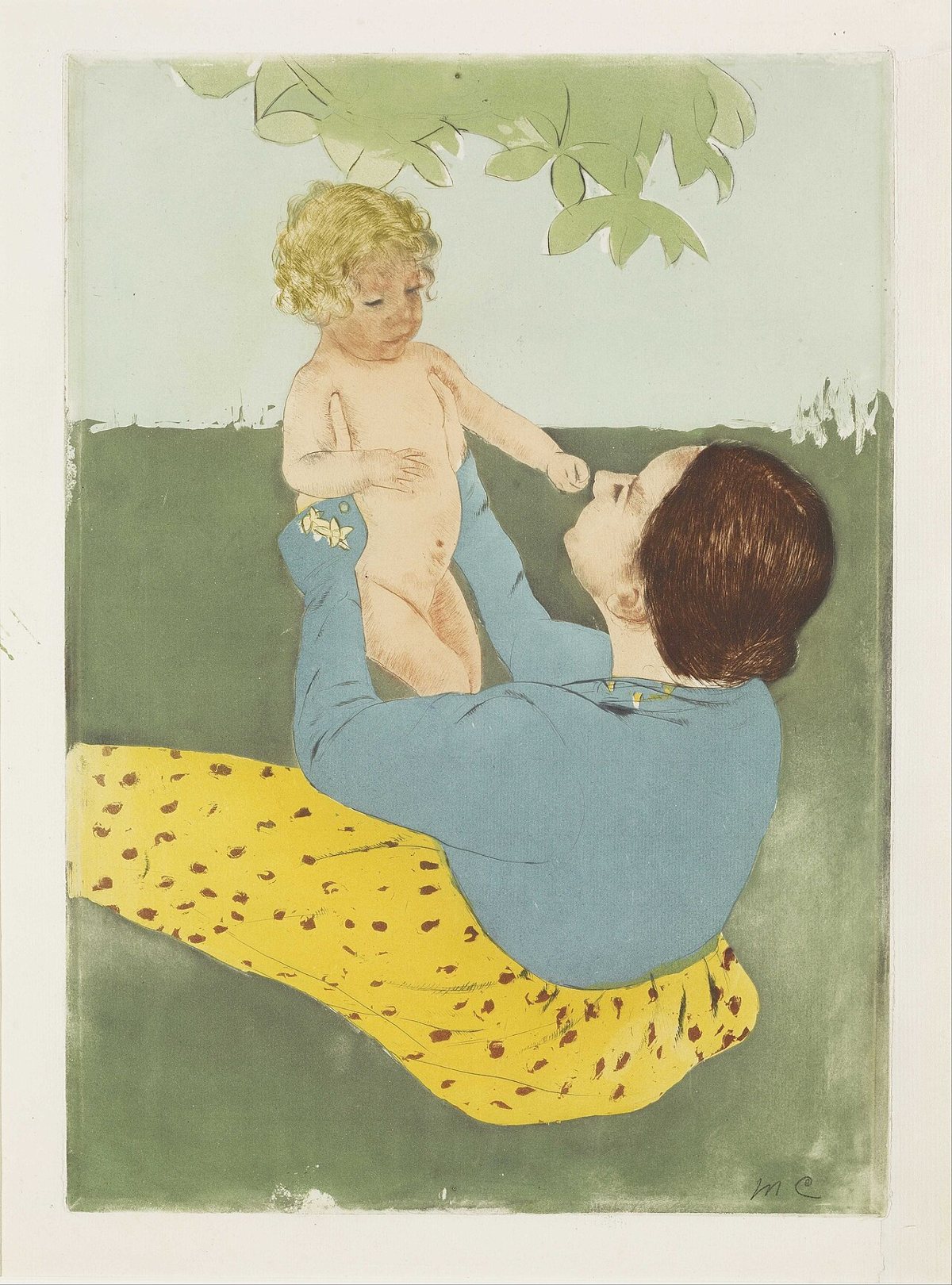

What to do: budget at least half a day if you want to see both the Caroline Wiess Law Building and the Audrey Jones Beck Building, and walk through the Cullen Sculpture Garden across the street while the weather cooperates. It sits close enough to Hermann Park and Bayou Bend that a garden-and-museum day is an easy pairing, and it's planted firmly in the Museum District besides.
Menil Collection
Free to the public year-round, the Menil sits on a quiet residential campus in the Montrose area, surrounded by lawns that make as much of the experience as the art inside, particularly the Cy Twombly Gallery and the Menil's rotating collection of surrealist and modern work.

What to do: walk the full campus, including the freestanding Cy Twombly Gallery and the Rothko Chapel a few blocks away, then eat at one of the small restaurants that have grown up around the neighborhood. Bring a blanket and treat the lawn itself as a destination; it's one of the few museum grounds in the city built for lingering outside. The campus sits in Montrose, near the neighborhood's cluster of galleries and cafes.
Miller Outdoor Theatre
Set into a hillside in Hermann Park, this covered outdoor amphitheater runs free performances, from ballet and symphony to touring acts and family programming, through the spring and into summer.
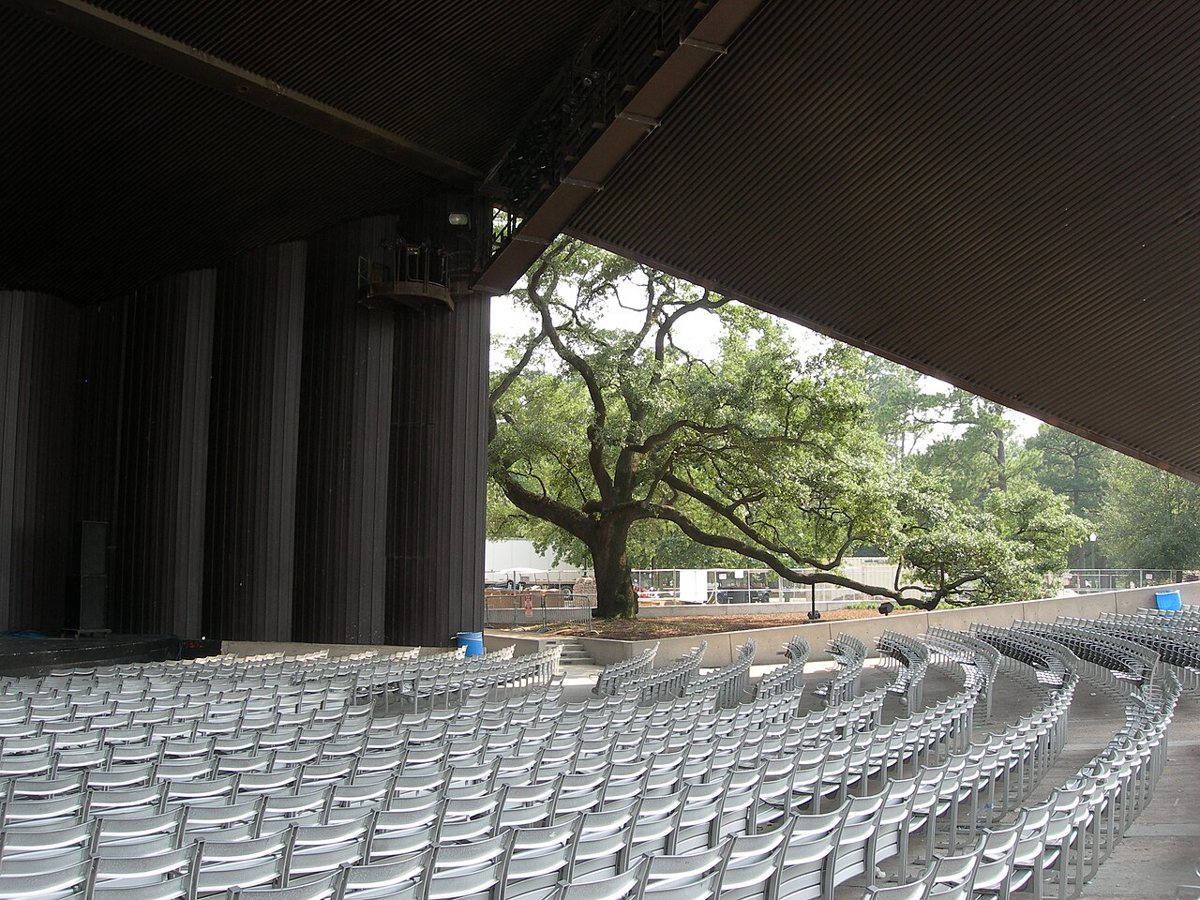

What to do: bring a blanket for the open hill seating, which is first-come and free, or arrive early for the smaller number of covered seats. The lineup changes throughout the season, so check the current schedule rather than assuming a particular show. Hill seating fills fast for popular shows, which is why a picnic dinner an hour before showtime is standard practice among regulars. The theater is set right in Hermann Park, in the Museum District.
Spring Events Worth Building a Day Around
Spring is Houston's real event season, running from late winter into early summer with a density of outdoor festivals and garden tours, plus citywide gatherings that no other quarter matches.
Houston Livestock Show and Rodeo
The Rodeo is the biggest of these by far, an annual weeks-long event at NRG Park combining a working livestock show and a carnival midway, plus a concert lineup that has hosted major touring acts for decades. It runs each spring, though exact dates shift year to year, so check the current calendar before planning around it.
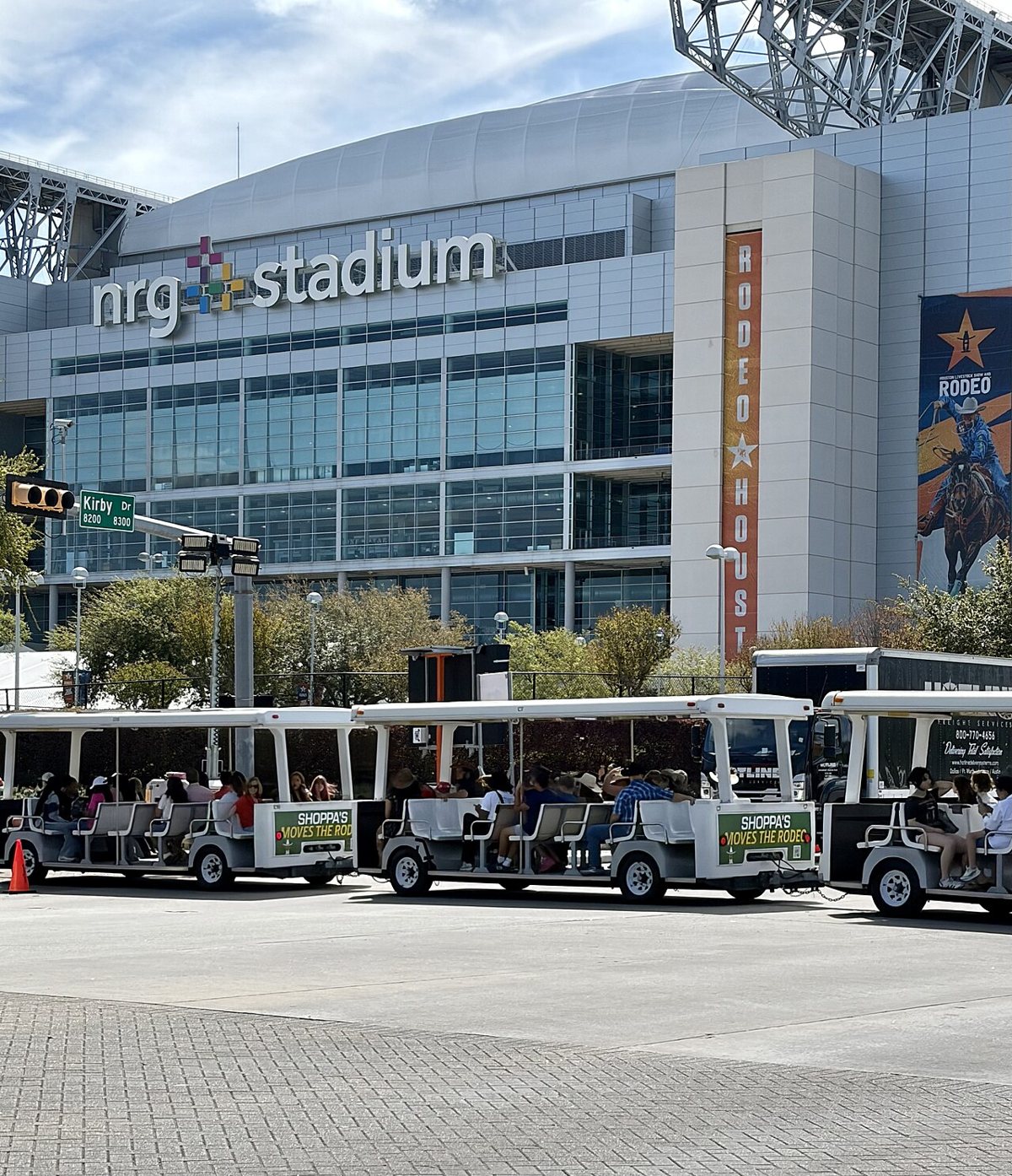

What to do: go for the concert if that is the draw, but budget extra time for the livestock barns and the World's Championship Bar-B-Que Contest cook-off grounds, which run on their own schedule during the event. Go Texan Day, when much of the city dresses western for the occasion, is worth experiencing even if you skip the concert entirely. The whole event runs at NRG Park, near the Texas Medical Center.
Beyond the Rodeo, spring brings garden tours tied to the azalea bloom and neighborhood home tours in areas like the Heights and Woodland Heights. Outdoor markets and street festivals pop up across Montrose and Midtown, with more over in EaDo. Dates for these move every year rather than landing on a fixed weekend, so it's worth glancing at a current events calendar before you head out to avoid a wasted trip.
Outdoor Dining, Markets, and Patio Season
Patio season in Houston is short and everyone knows it, which is why restaurant sidewalks that stay empty from June through September suddenly have hour-long waits in March and April.
The Urban Harvest Farmers Market, held Saturday mornings near Eleanor Tinsley Park along Buffalo Bayou, is the city's longest-running market of its kind, drawing local farmers and bakers who sell directly, plus small producers who skip resellers entirely. It pairs naturally with a bayou walk, since the market sits a short distance from the Buffalo Bayou Park trail system.
Patio dining spreads well past the expected Tex-Mex margarita spot in spring. Midtown and EaDo have a dense run of Vietnamese restaurants serving pho and banh mi on outdoor tables once the weather allows it, a legacy of the city's large Vietnamese population. Chinatown, centered along Bellaire Boulevard well outside the historic downtown Chinatown blocks, is where to go for dim sum and hot pot alongside a genuinely wide range of regional Chinese cooking. Vietnamese and Korean kitchens sit in the same strip malls, along with other Asian cuisines. Gulfton, a notably international stretch of the city, holds West African and Central American kitchens alongside South Asian restaurants that rarely make the tourist lists but define how the city actually eats. For a broader sense of where to point a fork, our running guide to eating your way through Houston's neighborhoods covers more ground than any single spring roundup can.
Neighborhoods Built for Spring Walking
Some of the best spring things to do in Houston are not a single destination but a whole stretch of sidewalk.
Heights Boulevard and the Heights
The wide median running down Heights Boulevard doubles as a hike and bike trail lined with bungalows and Victorian-style homes, with mature oaks overhead that leaf out fully by April. Walk or bike the length of it, then branch off into the shops and restaurants along 19th Street and White Oak Drive.
Rice Village and Rice University
Rice's main campus is open to walk through, and its live oak allees and quads are some of the most shaded, least crowded green space in the city. Rice Village, just across the street, adds a dense cluster of shops and outdoor-seating restaurants for after.
Museum District and Chinatown or Bellaire
The Museum District rewards walking between institutions rather than driving, given how close Hermann Park sits to MFAH and a handful of smaller museums. A short drive southwest, the Chinatown or Bellaire corridor is better explored on foot in short bursts between strip-mall storefronts than in a single long walk, since the real draw is stopping in and out of a dozen small restaurants and markets. Anyone building out a longer weekend should also see our guide to Houston's neighborhoods for how these areas connect to Montrose and Midtown, and over toward EaDo.
The Practical Stuff: Weather, Timing, and Getting Around
Spring in Houston runs roughly from late February through May, though the exact edges shift year to year. Late February and March tend to bring the mildest, driest stretch, with temperatures comfortable for walking most of the day. By late April and into May, afternoon humidity starts building back toward summer levels, so mornings and evenings become the better windows for anything outdoors. Rain showers are common throughout the season and can arrive with little warning, so a plan B under a museum roof is never a bad idea.
- Free or low-cost options: the Menil Collection, Miller Outdoor Theatre, Buffalo Bayou Park, Memorial Park and the Eastern Glades, Discovery Green, Hermann Park's grounds, and the McGovern Centennial Gardens mound all cost nothing to walk through.
- Best timing: mornings on weekdays suit gardens and museums; weekend mornings work best for farmers markets; evenings are for patio dining once the afternoon sun eases off.
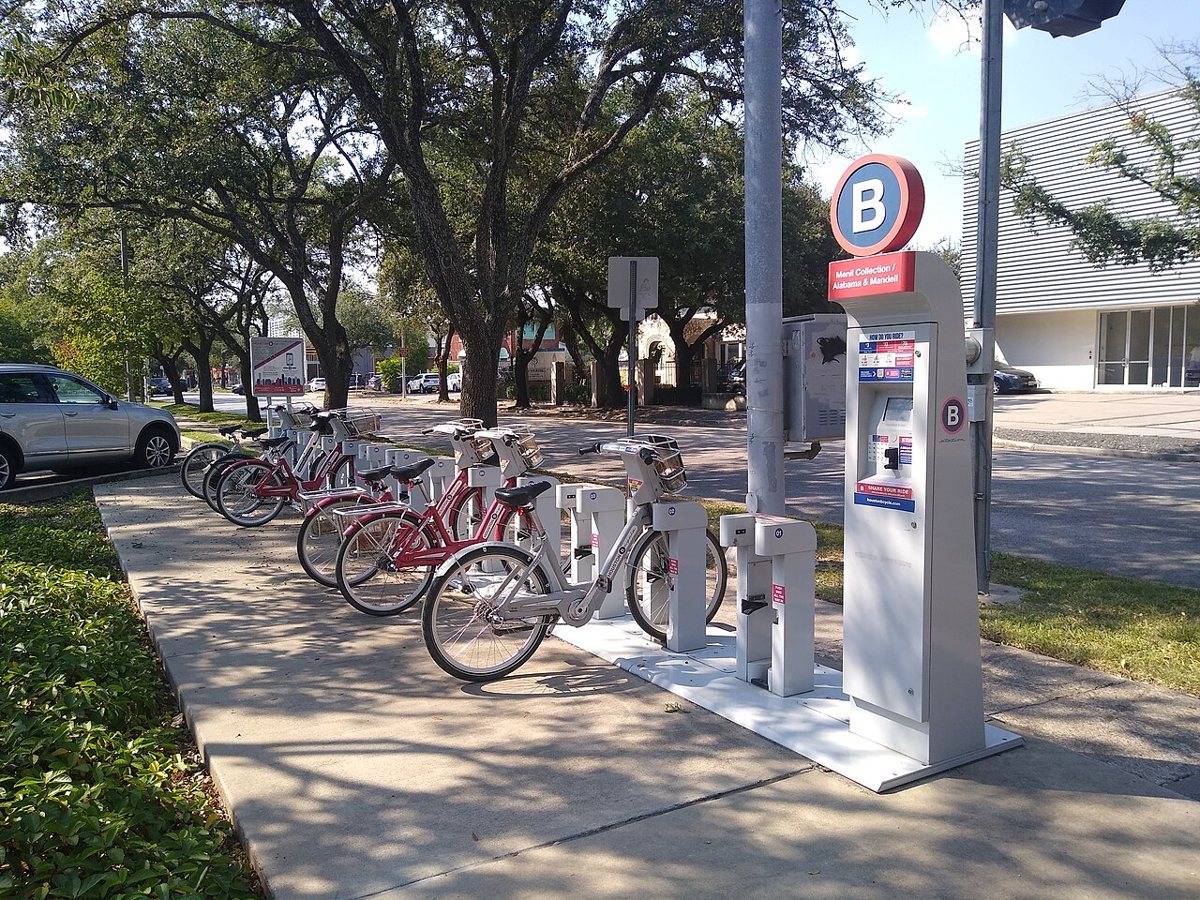
- Getting around: Loop 610, the highway locals just call 610, rings the core neighborhoods covered here, and most of these destinations sit inside or just outside it. METRORail connects downtown, Midtown, and the Museum District, while neighborhoods like Montrose, the Heights, and Rice Village are walkable in sections once you park. Bike share stations are common near Buffalo Bayou Park, Discovery Green, and the Museum District for anyone who wants to cover more ground without driving between every stop.
None of this requires a car-free weekend or a perfectly plotted itinerary. A loose plan rewards you here: pick a park or a garden and let it lead into a museum or a market a few minutes away. End somewhere with a patio before the light goes. The city spends the other nine months finding shade. For eight or nine weeks, it does not have to.