Best Day Trips From Houston You Shouldn't Miss
A Houston veteran maps the day trips locals actually take, from Gulf beaches and battlefields to Hill Country wine country and small towns worth the tank of gas.
Crossing the causeway onto Galveston Island just after seven in the morning, windows down, the smell of salt and diesel from the shrimp boats at Pier 19 still thick in the air, coffee going cold in the cupholder: I've made this drive more times than I can count, and it's the trip I recommend first when a visiting cousin or a new transplant asks about the best day trips from Houston. This city sits at the center of more good driving than almost anywhere in Texas. An hour and a half gets you to a beach or into a piney forest thick enough to make you forget you're near a metro area of seven million people. Three hours gets you into a different Texas altogether, one with limestone hills, German bakeries, and vineyards planted where cotton used to grow. What follows is the list I actually use, organized by direction and by what you're chasing: coastline, history, small-town Texas, or a bigger city with its own personality.
The Best Day Trips From Houston Start on the Coast
Galveston: The Strand, the Seawall, and the Bay
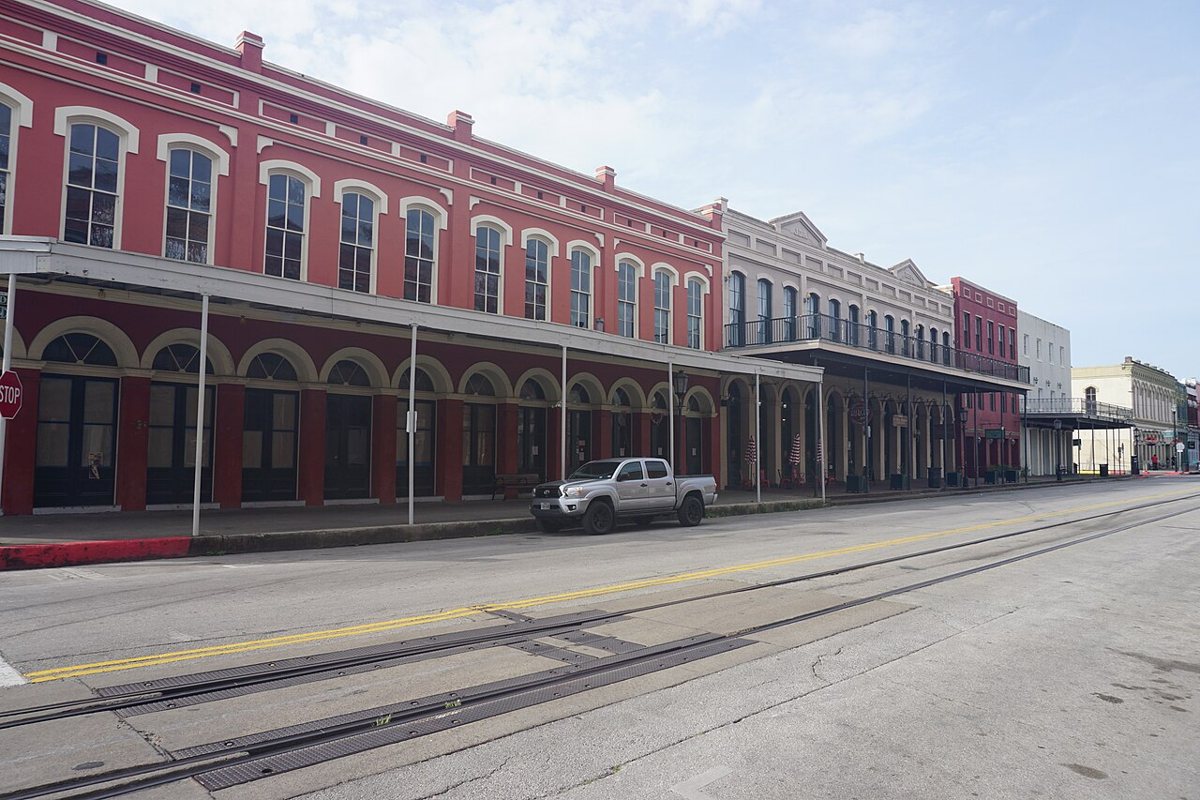
Galveston is the trip that never gets old, no matter how many times Houstonians make it. The Strand Historic District downtown holds the old cotton and shipping warehouses from Galveston's boom years, now filled with antique shops, oyster bars, and the kind of ironwork architecture that made this the wealthiest city in Texas before the 1900 storm. Walk it slow, duck into whichever gallery looks interesting, and grab a dozen oysters at one of the seafood counters near the harbor. The seawall runs for miles along the Gulf side of the island, and locals use it the way other cities use a park: running it at sunrise, biking it on weekends, parking along it just to watch the water. A day on Galveston Island can easily fill a full itinerary on its own, but even a few hours downtown and on the beach makes the drive worth it. Insider tip: skip the Seawall Boulevard restaurants with the longest lines and walk two blocks inland, where the seafood is just as fresh and the wait is shorter. About fifty minutes southeast of downtown Houston via I-45.

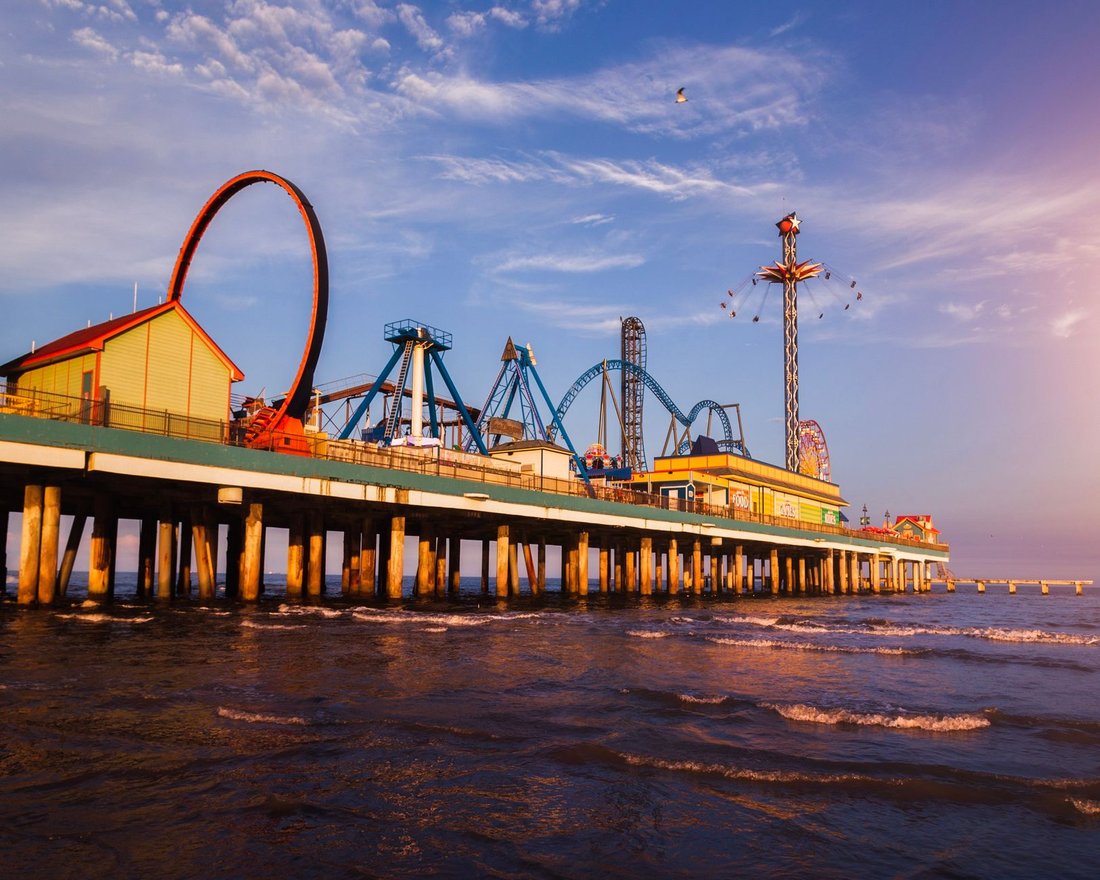
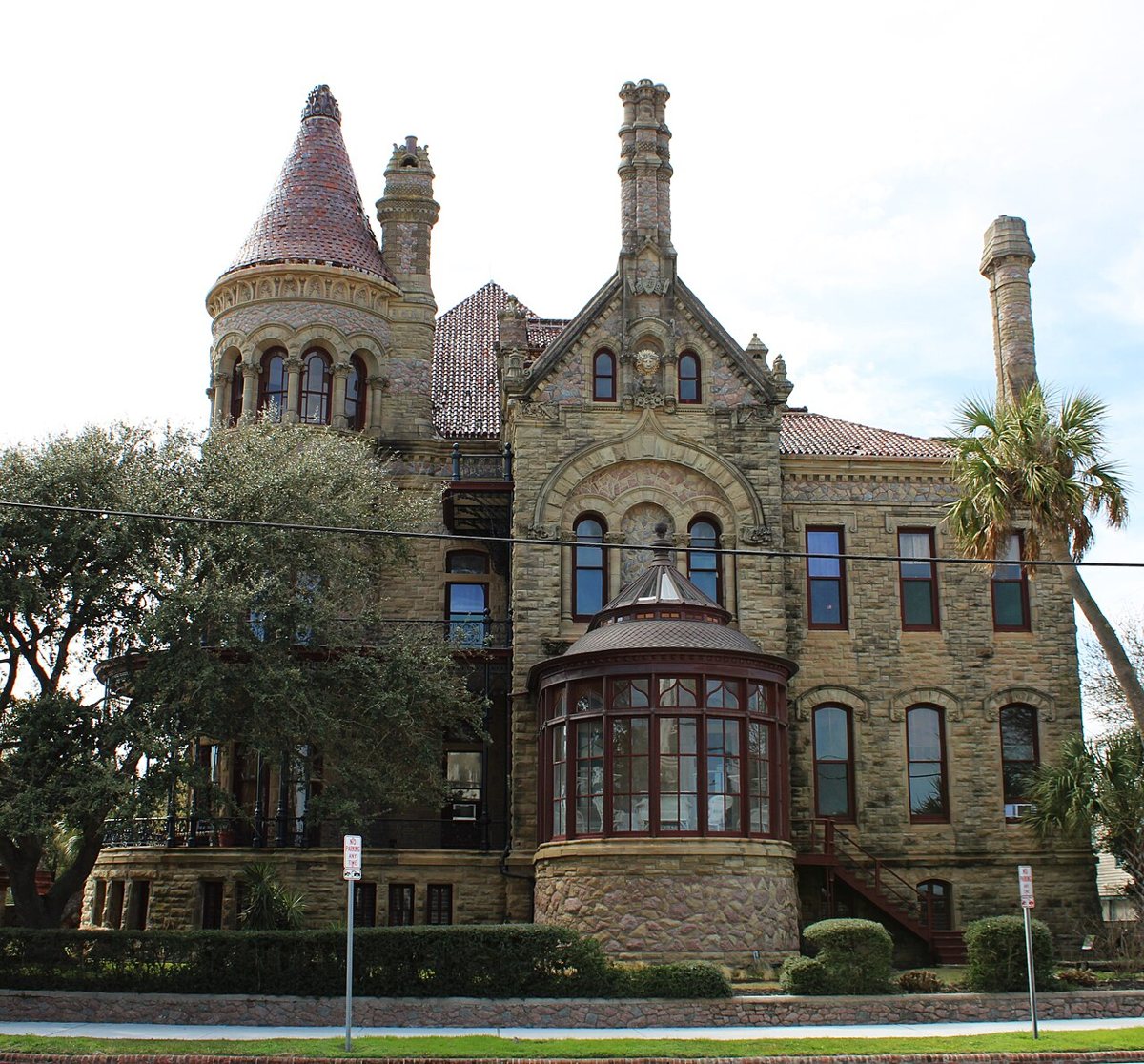
Beyond downtown, Galveston has enough to fill a second trip. Moody Gardens draws families for its aquarium and rainforest pyramids, the Bishop's Palace gives a look at the ornate mansions built by the island's cotton and banking families, and Galveston Island State Park on the west end has both bay and beach access along with trails good for birding and paddling the marsh. The Pleasure Pier extends out over the Gulf with a small amusement park of its own, and the historic district around Postoffice Street has a growing cluster of restaurants and bars that locals favor over the more tourist-heavy strip along the seawall. There is enough here for a second full day on the island, as easy to fill as a weekend of things to do in Houston itself. If you're headed out in summer, get to the beach early. Parking fills up by midmorning and the causeway backs up on the way home if you leave too late.

Kemah Boardwalk, for When You Don't Want to Drive Far
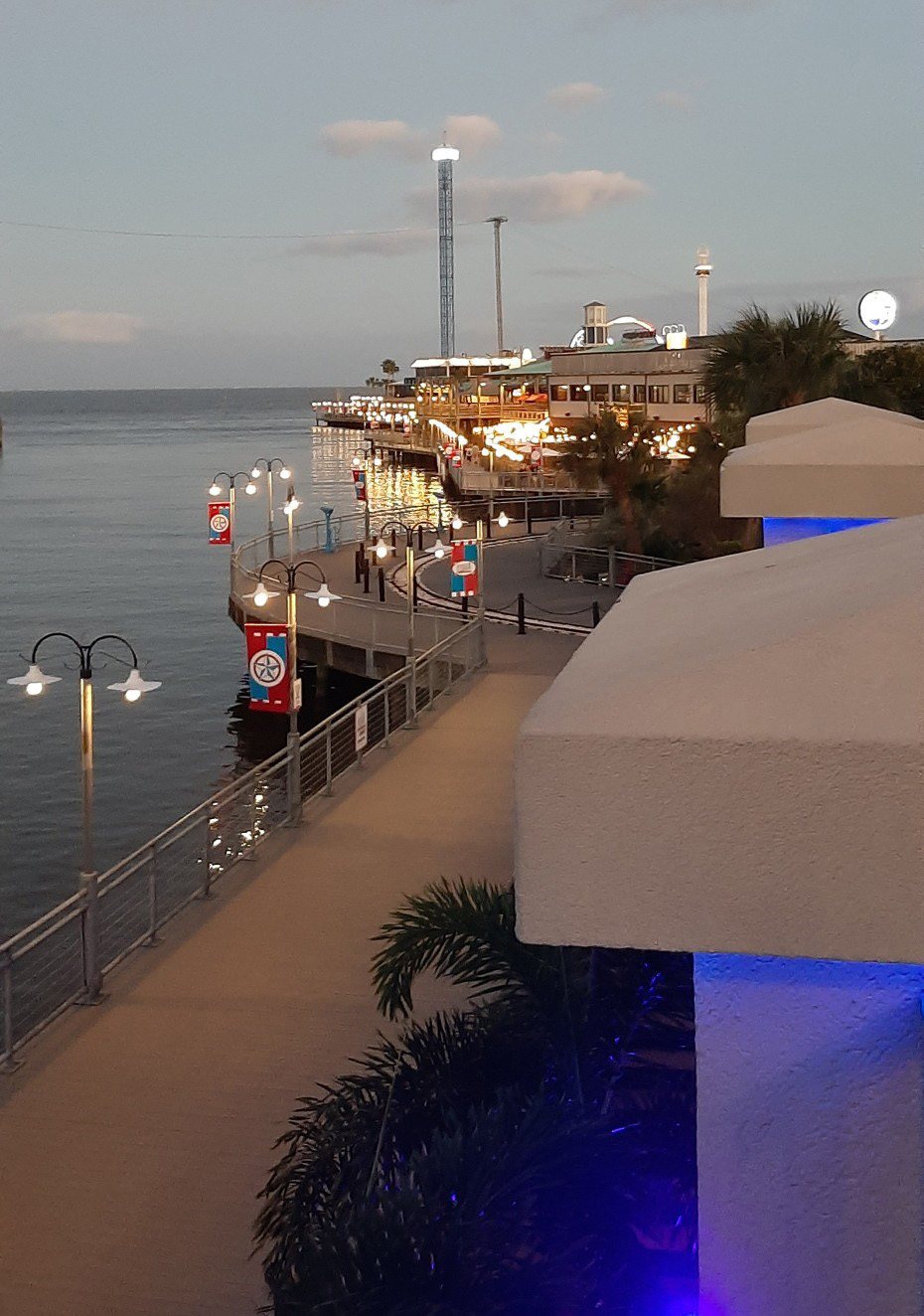
For a shorter trip that still feels like a getaway, Kemah Boardwalk sits on Galveston Bay about forty-five minutes southeast of Houston, no bridge or barrier island required. It's part amusement park, part restaurant row, with a Ferris wheel over the water and enough seafood houses along the boardwalk to make a case for fresh Gulf seafood without leaving the drive radius of the city. It reads more like a family evening out than a day trip, and that's its appeal: no early start required, and you can be back in your own bed by ten. Rides run through the evening, and the boat traffic in and out of the channel is worth watching from one of the upper deck restaurants. Go on a weeknight if you can. Weekend crowds can be heavy, especially with a home Astros game or a nice-weather Saturday pulling people east.

Surfside Beach and the Bolivar Peninsula
When Galveston feels too crowded, and it can, especially on holiday weekends, Surfside Beach south of Freeport offers a quieter stretch of Gulf sand about an hour from Houston, with dunes that haven't been built up the way Galveston's have. Bolivar Peninsula, reached by the free ferry from the east end of Galveston Island, is the other option locals use, a long spit of beach and small fishing communities that feels far more remote than the drive time suggests. The ferry ride itself, with dolphins sometimes trailing the wake and pelicans working the rails, is worth the trip on its own. Bring your own shade and supplies to either spot. Neither has the amenities Galveston does, and that's the point.
Texas History, Barely an Hour From Downtown
San Jacinto Monument and Battleship Texas
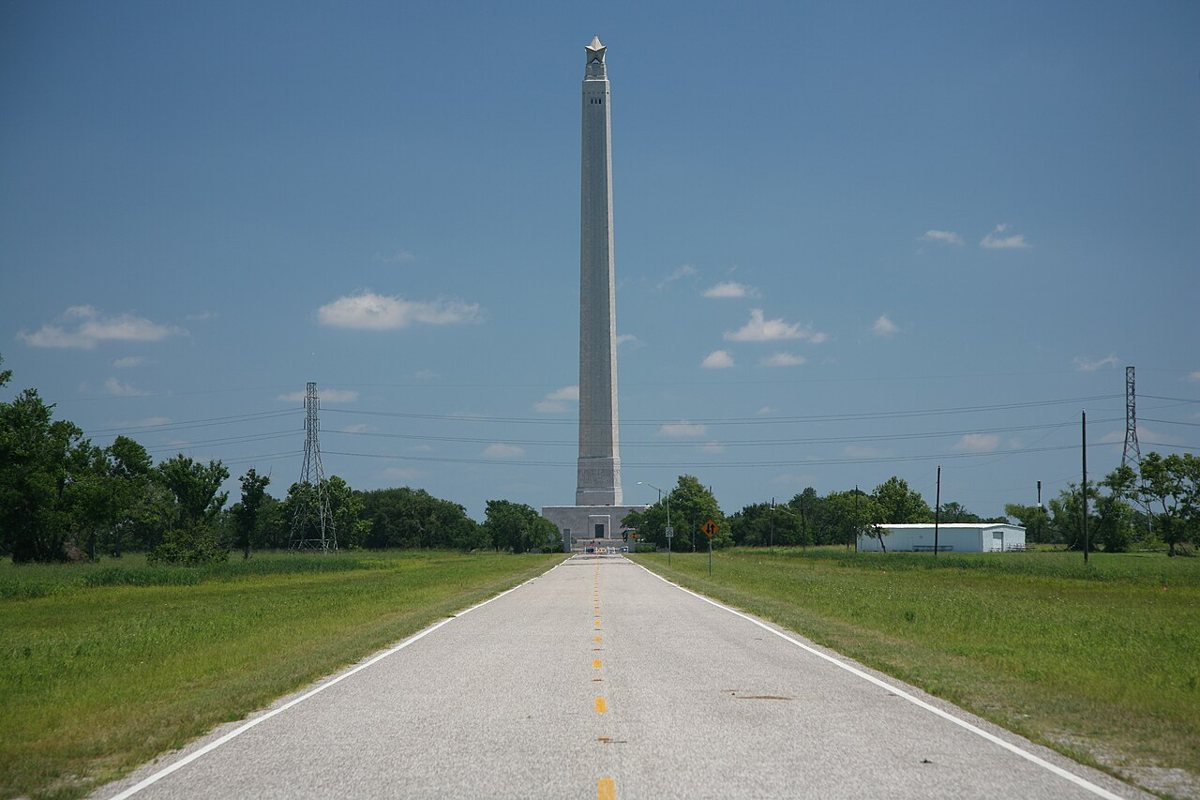
The San Jacinto Monument rises out of the marsh just east of Houston, close enough that plenty of residents have never actually stopped, assuming it's something to glimpse from the highway rather than visit. That's a mistake. This is the ground where Sam Houston's army defeated Santa Anna in eighteen minutes and secured Texas independence, and the monument itself stands taller than the Washington Monument, with an observation deck that gives one of the best views of the Houston Ship Channel anywhere in the region. The museum at its base covers the battle in more depth than most people expect. Docked nearby, the Battleship Texas, a decorated veteran of both World Wars, gives a walk-through of decks and gun turrets that keeps kids occupied for a solid hour, though it has had periods closed for major restoration, so check its current status before building a day around it. Go in the morning before the sun climbs high over the observation deck. Twenty-five minutes east of downtown.

Wildflowers, Blue Bell, and Small-Town Texas
Brenham and Washington County
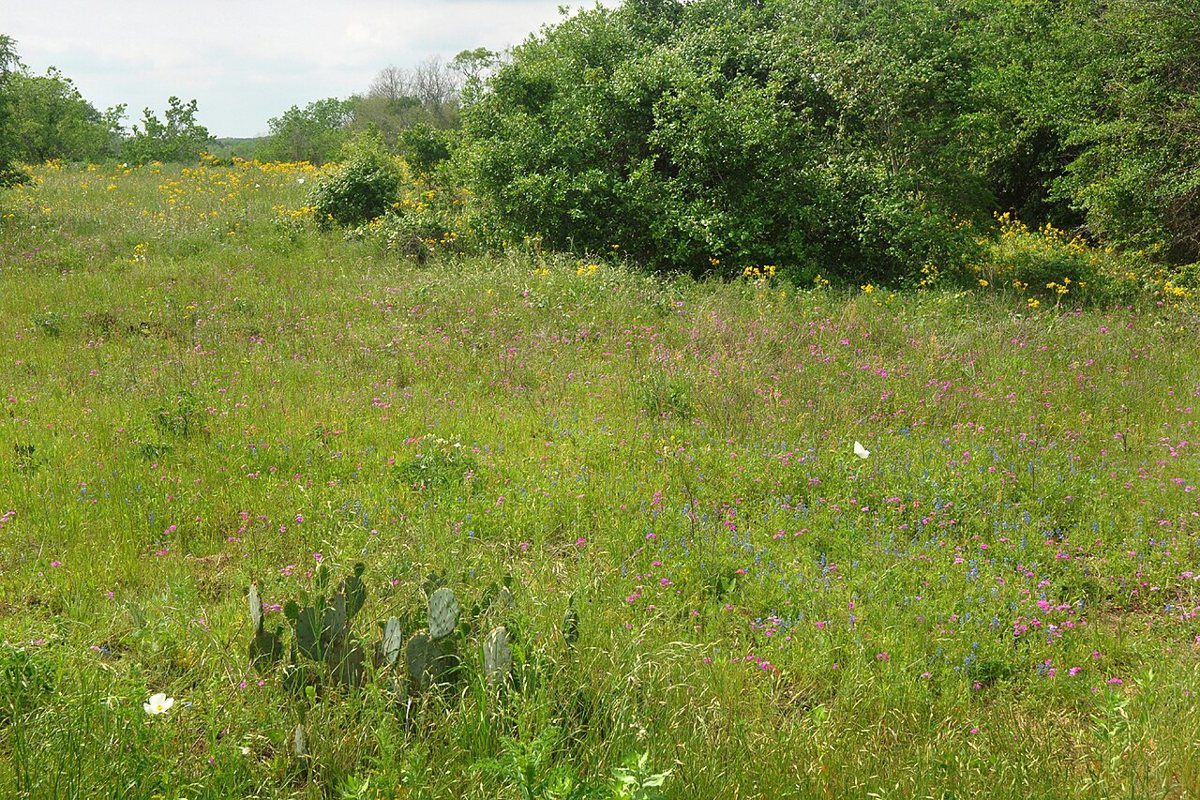
Brenham is where Blue Bell has been making ice cream since the early 1900s, and the visitor experience at the creamery, ending with a scoop, remains one of the better cheap outings within reach of Houston, though tour access varies so it is worth checking ahead. Pair it with Washington-on-the-Brazos State Historic Site nearby, the site where Texas delegates signed the declaration of independence from Mexico in 1836. The grounds include a reconstructed Independence Hall, a museum on the birth of the Republic of Texas, and walking trails along the river that are pleasant even without the history lesson. Spring is the real draw for this whole corridor. Washington County and the highways around Brenham fill with bluebonnets and Indian paintbrush from roughly mid-March into April, and locals plan entire weekends around chasing the bloom. Insider tip: the smaller farm roads off Highway 105 usually have better fields and far fewer people pulled over for photos than the main highways. Roughly an hour and fifteen minutes northwest of Houston.

Round Top
Round Top has a population you could fit into a single section of an Astros game, and twice a year it becomes one of the biggest antiques destinations in the country, when fields and tents around the town fill with dealers for the spring and fall antiques fairs. Furniture, chandeliers, old signage, entire barns' worth of salvage: collectors and interior designers drive in from across the state and beyond for those weeks, and the surrounding towns of Warrenton and Carmine fill up with satellite tents of their own. Even outside those weeks, the town itself is worth a stop: a historic square, a handful of small restaurants that punch well above what you'd expect from a town this size, and Round Top Festival Institute, which hosts classical music concerts in a setting that feels imported from somewhere else entirely. It pairs naturally with a Brenham or Washington County trip, since the two sit only about twenty minutes apart. Book any restaurant reservations ahead during fair weeks. The town's population multiplies by thousands and tables go fast, and even the modest inns scattered around the countryside book up months out.
Piney Woods and Aggieland
Sam Houston National Forest and Huntsville State Park
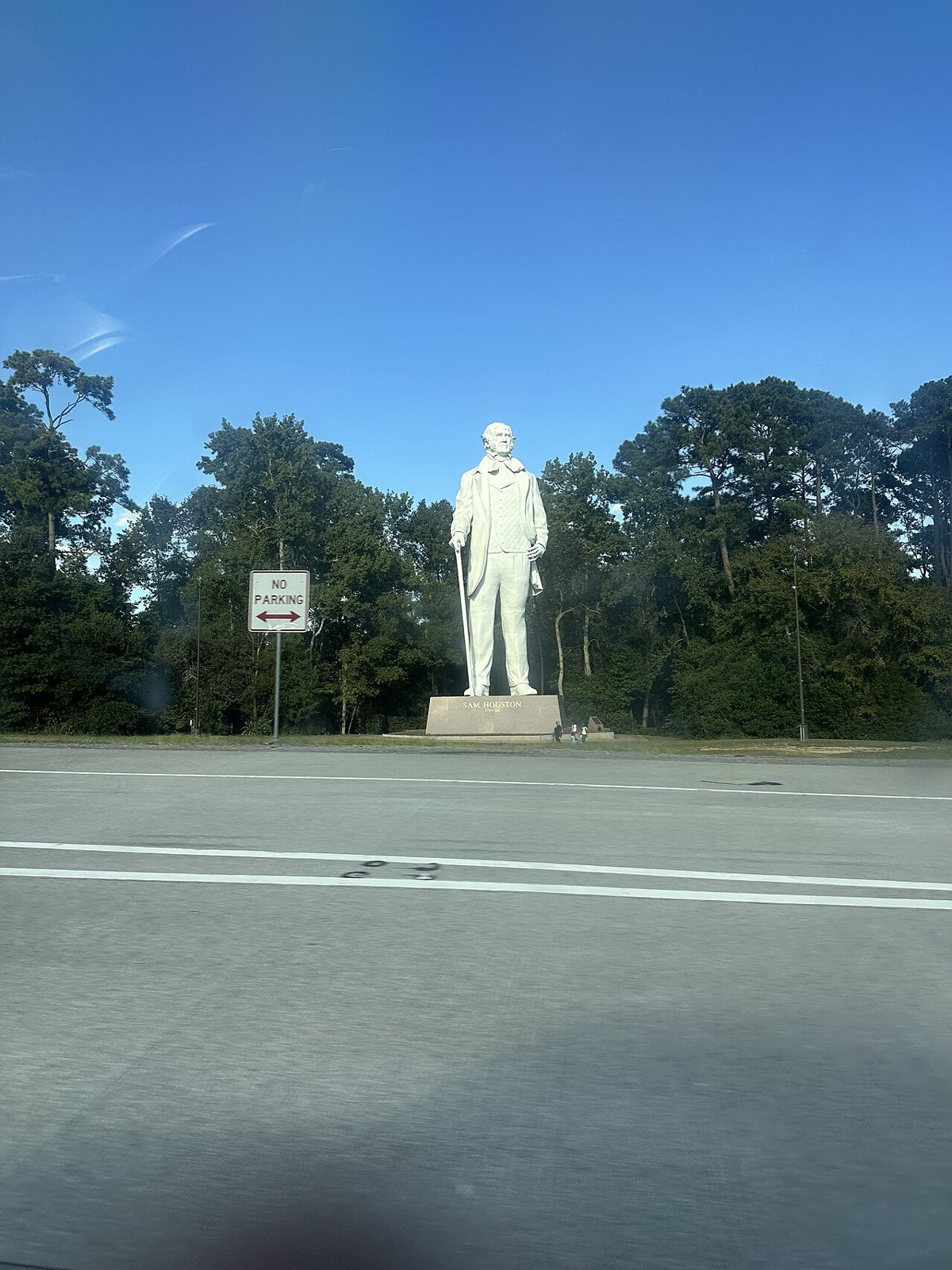
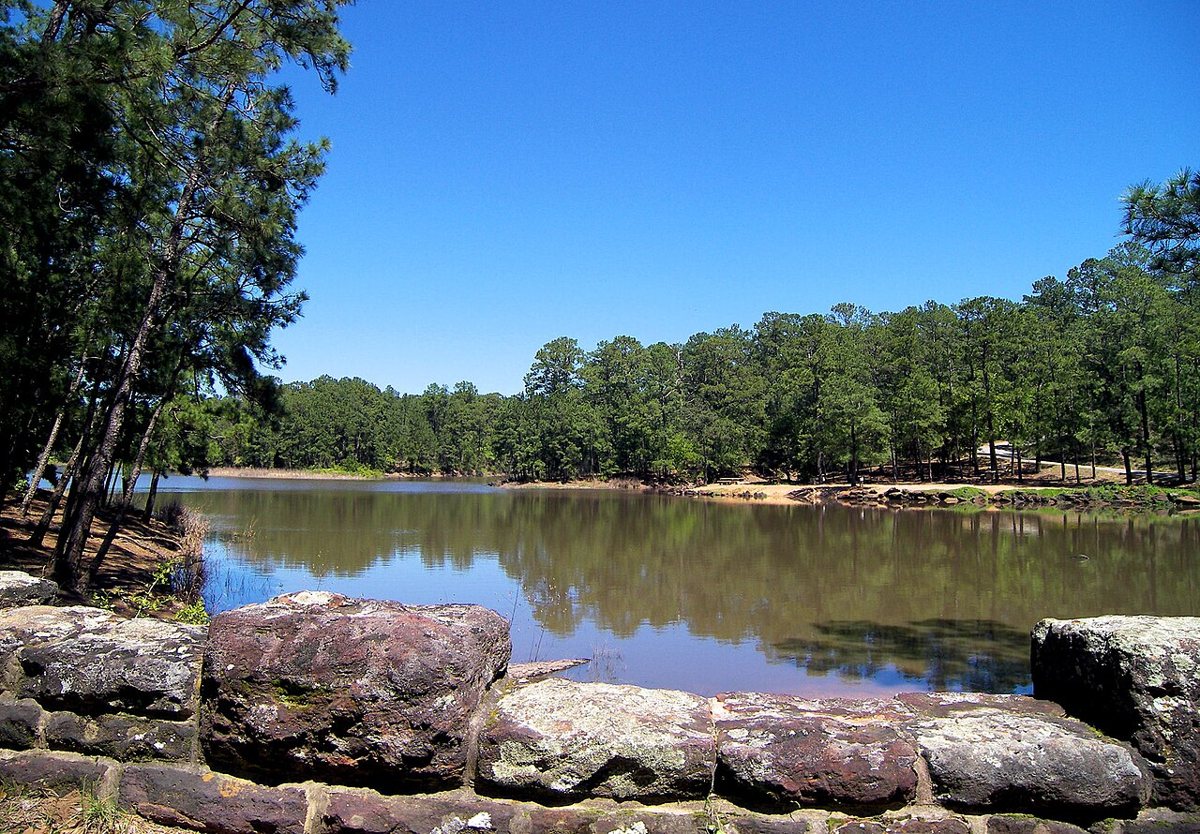
North on I-45, the landscape shifts fast, coastal prairie giving way to genuine pine forest, and it catches first-time visitors off guard every time. Sam Houston National Forest covers a huge stretch of that land with hiking and mountain biking trails, including a long segment of the Lone Star Hiking Trail, and Huntsville State Park inside it has a lake good for kayaking, fishing, canoe rentals, and a swimming beach that draws Houston families all summer. Campsites there book up fast on holiday weekends, so reserve ahead if an overnight is part of the plan. In the city of Huntsville itself, the giant statue of Sam Houston, visible off the interstate and tall enough to spot well before the exit, has become a genuine only-in-Texas landmark, and the pullout beneath it has a small visitor center worth five minutes. The historic downtown square has a handful of local diners worth a lunch stop before heading back south. Roughly an hour and fifteen minutes north of Houston.

College Station and Texas A&M
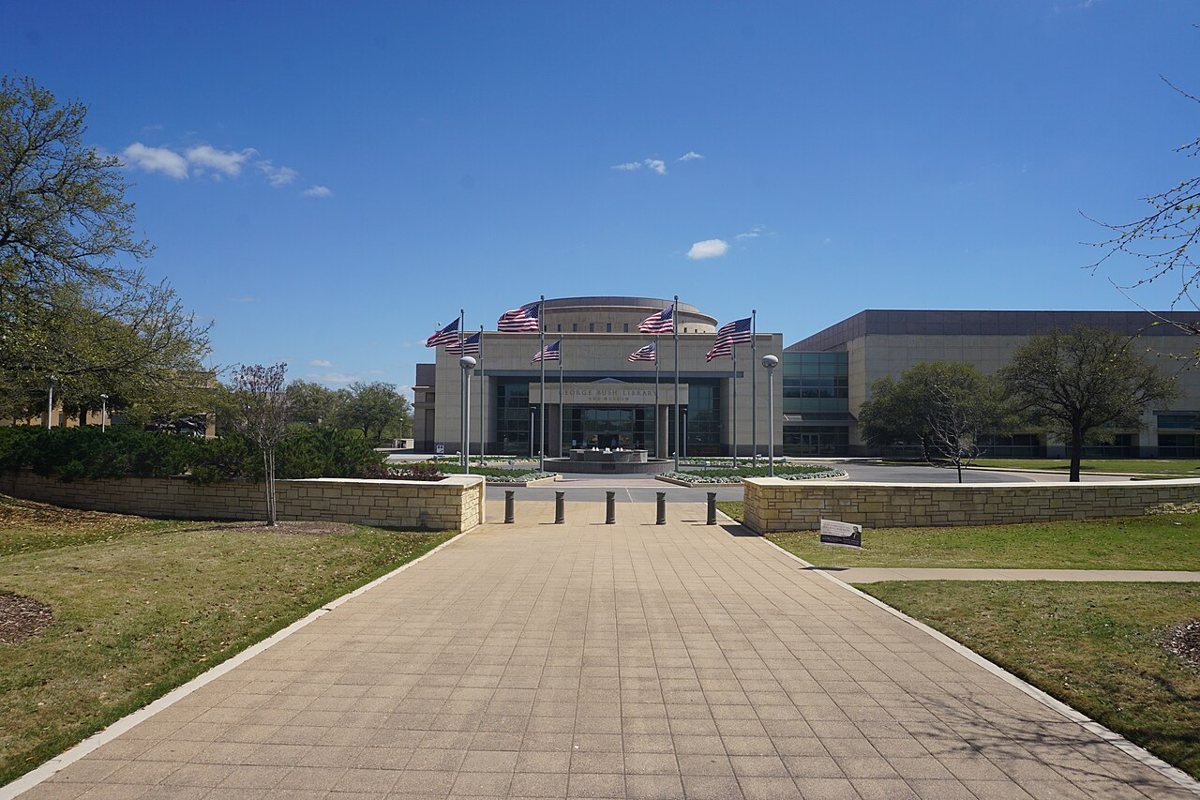
College Station runs on Texas A&M, and even without a game on the schedule, the campus is worth walking. The George H.W. Bush Presidential Library and Museum sits on the west side of campus and covers his life from World War II Navy pilot through the presidency, with enough substance to hold adults for a couple of hours and enough interactive material to keep kids engaged too. Pair it with a walk through the historic quad and a stop at the Century Tree, a campus tradition students have proposed under for generations. If you're there on a football Saturday, the atmosphere around Kyle Field is its own kind of spectacle, twelfth man tradition included, even for visitors with no connection to the school. Downtown Bryan, just north of campus, has a smaller and quieter historic district worth a detour if the campus crowds feel like enough for one day. Call it an hour and forty-five minutes northwest of Houston.

Hill Country and Wine Country
Fredericksburg and Enchanted Rock
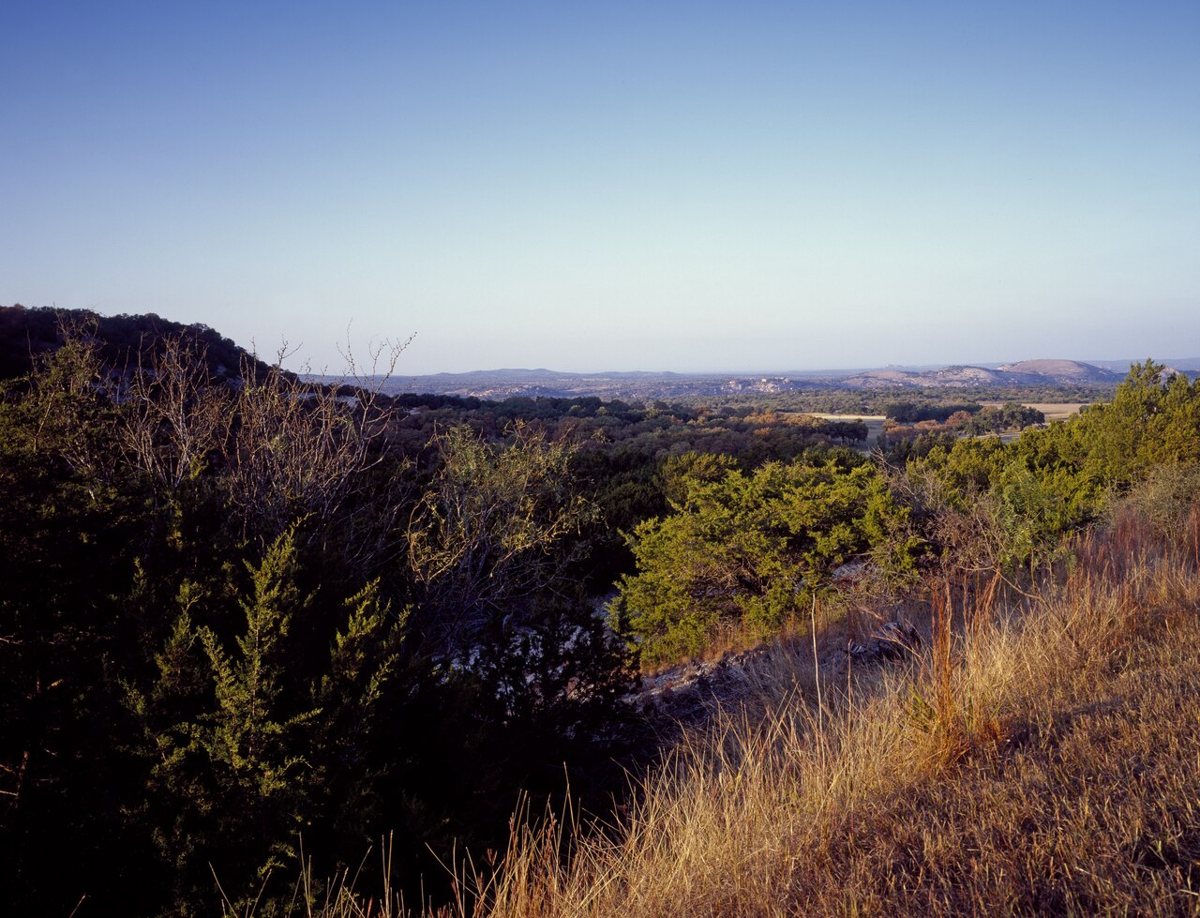
Fredericksburg is the town that convinces people the Hill Country deserves its reputation. Founded by German immigrants in the 1840s, it still carries that heritage in its architecture, bakeries, and butcher shops along Main Street, where you can spend an afternoon just working through kolaches, schnitzel, and peach everything without ever getting in a car. The surrounding hills have turned into one of the more serious wine regions in the country, with tasting rooms scattered along Highway 290 between Stonewall and town, and enough variety now, spanning small family operations and larger destination wineries, that a full day of tasting is easy to plan around. Set aside time for Enchanted Rock State Natural Area just north of town, a massive pink granite dome that draws hikers and stargazers and offers one of the better sunset views in Texas from the top of the climb. Go early on weekends. The park caps entry once the lot fills, and it fills often. Fredericksburg is also home to the National Museum of the Pacific War, a serious and often overlooked stop given the town's connection to Admiral Chester Nimitz. Plan on roughly four hours from Houston, long enough that it works better as an overnight for most people, though the drive is doable in a single day if you leave early.
Bastrop and the Lost Pines
Bastrop sits in an odd pocket of loblolly pine forest surrounded by the rolling hills and cedar of central Texas, a geological quirk locals call the Lost Pines. Bastrop State Park has hiking and mountain biking trails through that forest, along with a historic golf course and cabins built by the Civilian Conservation Corps in the 1930s, and the park has made a genuine comeback since major wildfires burned through it. The small downtown along Main Street has a walkable historic district with good local restaurants and shops, an easy add-on before or after the park. Roughly two and a half hours west of Houston, Bastrop also works well combined with an Austin trip, since the two sit only about thirty minutes apart.

The Big City Trips: Austin and San Antonio
Austin
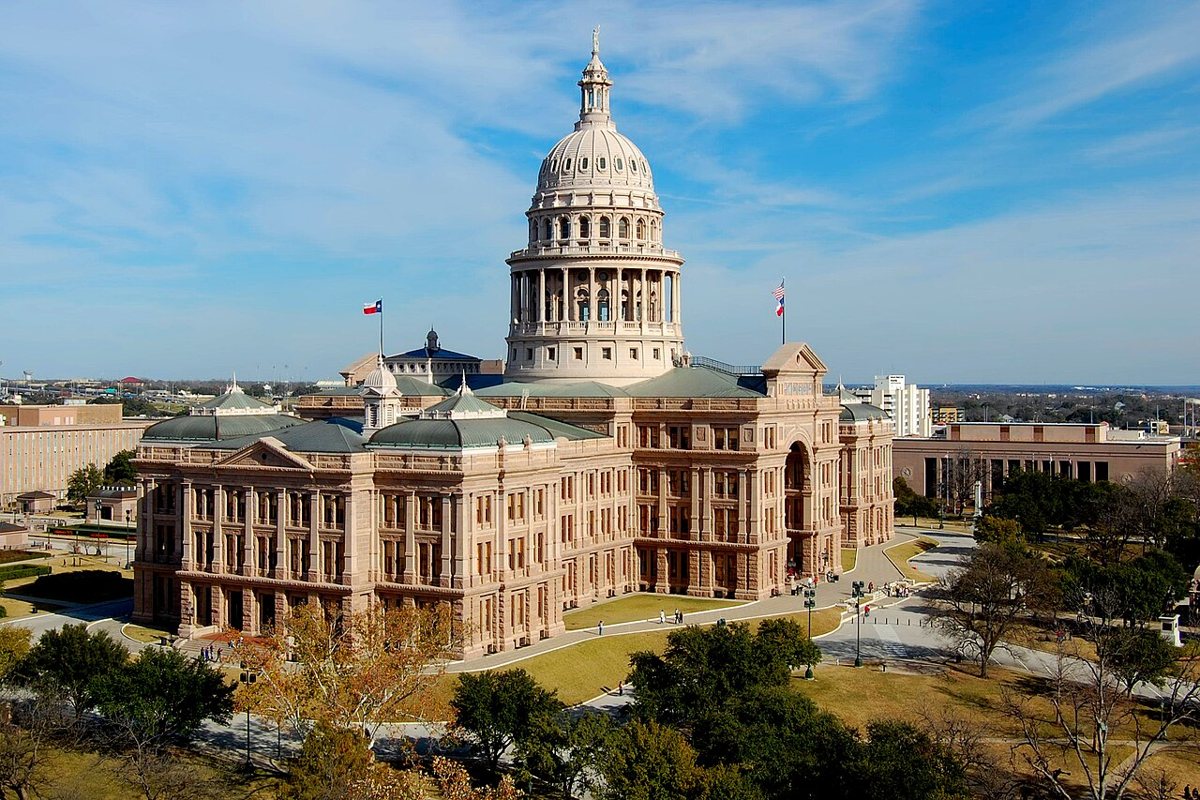
Austin runs about two and a half to three hours from Houston depending on where you're starting and how I-10 traffic through Columbus and Sealy is behaving. It's a different pace of city than Houston, smaller and more compact, built around the university, the Capitol, and a live music scene that still delivers on the reputation even with how much the city has grown and changed over the last decade. Walk the Capitol grounds, then head down to Lady Bird Lake for the hike and bike trail, or catch the bats emerging from under the Congress Avenue Bridge around sunset if the timing works out, one of the largest urban bat colonies in North America and a genuinely good free show. South Congress has the shops and restaurants most visitors go looking for, while Barton Springs Pool offers a spring-fed swim that stays cool even at the height of summer. East Austin has quietly become the more interesting food and coffee corridor for anyone who's already done South Congress a few times. Traffic on I-35 through the city itself can be its own obstacle, so plan around it rather than through it, especially with a University of Texas football game or a big downtown event on the calendar.

San Antonio
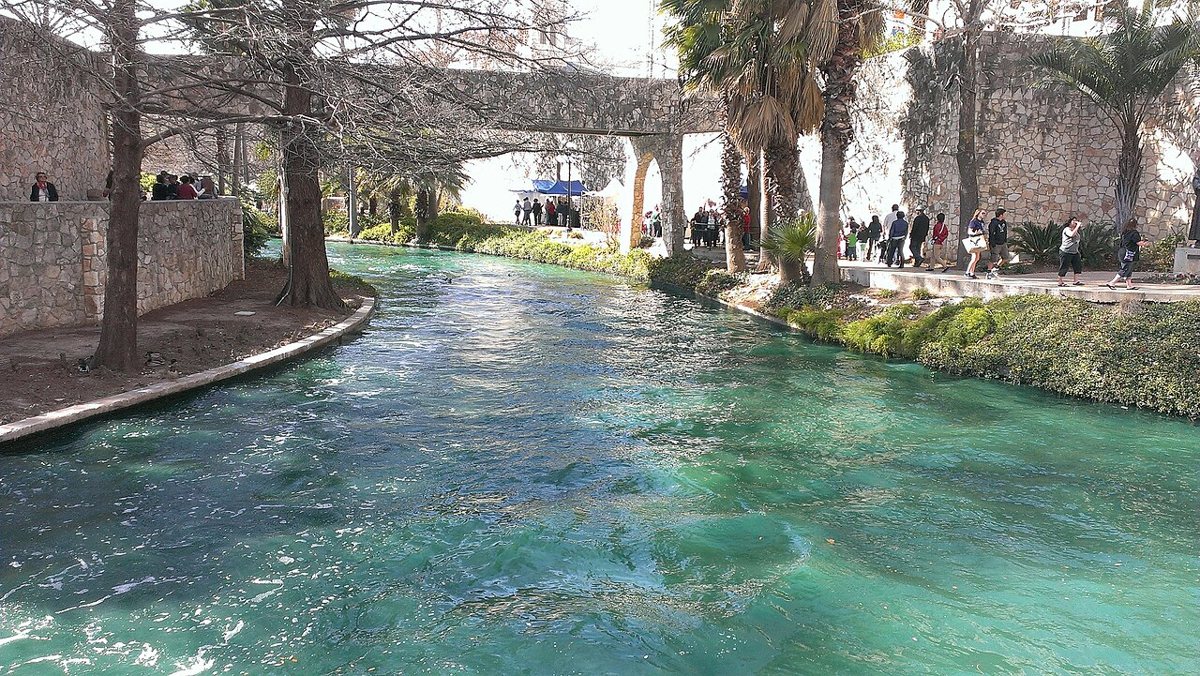
San Antonio runs about three hours from Houston and rewards the drive with two very different experiences stacked close together. The River Walk winds below street level through downtown, lined with restaurants and hotels, and it stays enjoyable for a leisurely riverboat ride or just walking the paths between meals. Insider tip: the stretch north of downtown near the Pearl district has a quieter, more local version of the same river walkway, worth the extra fifteen minutes if the crowds downtown are heavy.

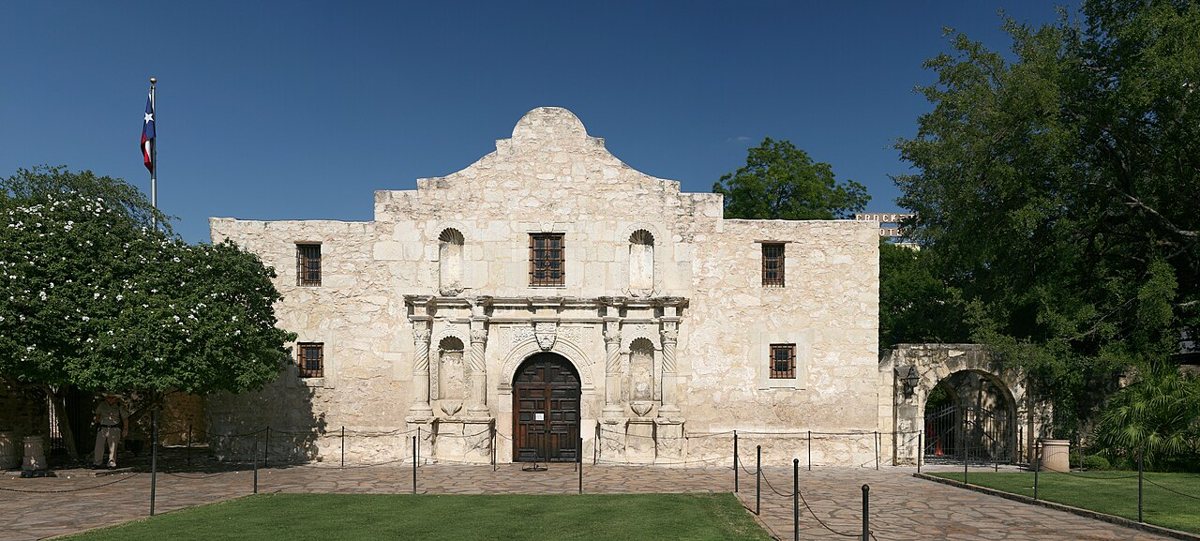
A few blocks away sits the Alamo, the most visited historic site in Texas and the place where a small group of Texas defenders held out against Santa Anna's army in 1836 before falling, a defeat that became the rallying point for the independence won weeks later at San Jacinto. The grounds and shrine are usually free to walk through, and the story lands harder in person than in any textbook version of it. Combine the trip with a stop at the San Antonio Missions National Historical Park south of downtown, a string of four other Spanish colonial missions far less crowded than the Alamo but just as historically significant, connected by a paved hike and bike trail that makes visiting more than one manageable in an afternoon.

Planning the Trip: When to Go, Driving Realities, What's Free
None of these trips require much beyond a full tank of gas and a reasonable start time, but a few things make them easier once you've done them a handful of times, and most locals learn these the hard way after a bad Sunday afternoon stuck on the causeway or I-10.
- Spring, roughly March through April, is the best window for both the Hill Country and Washington County, when wildflowers are at their peak and temperatures haven't turned yet.
- Beach trips get easier midweek. Galveston and Kemah both see their heaviest traffic on weekends and holidays, and the causeway backs up hard on summer Sunday evenings.
- I-10 west toward Columbus, Sealy, and eventually Austin or San Antonio can slow to a crawl around Katy on weekday mornings and evenings, so time longer trips outside rush hour when possible.
- Round Top's antiques fairs happen in spring and fall and reshape traffic and lodging across the whole area, so check the calendar before planning a trip through that corridor during those weeks.
- Plenty of these stops cost nothing beyond gas. The grounds at San Jacinto, Washington-on-the-Brazos, and the Alamo are usually free to walk, as is the Galveston seawall and most park trailheads, though state parks like Enchanted Rock and Bastrop typically charge a modest day-use fee.
- Leave earlier than feels necessary. An early start beats traffic in both directions and gets you to state parks before they cap entry for the day.
None of this is about escaping Houston. It's about what having Houston as a home base actually buys you: a beach by breakfast, a battlefield by lunch, a Hill Country vineyard by dinner if you're willing to drive for it. Other Texas cities argue about being the most Texas, but Houston is the one that can reach all of it in a single tank of gas. I've lived here long enough to have a favorite in every direction, and I still haven't settled on one. That's the actual argument for staying put most weeks and just driving out on the weekends instead.