Things to Do in Houston: A Local's Guide
From a Vietnamese sandwich counter in Midtown to the Saturn V rocket at Space Center Houston, this city rewards the curious with more genuine experiences than most visitors expect and more than most locals have time to exhaust.
On a Saturday morning in EaDo, a line of maybe thirty people snakes out the door of a Vietnamese kolache shop while, across the parking lot, a Nigerian suya cart is already doing business and a Tejano radio station drifts from a taqueria two doors down. Nobody thinks this is remarkable. That is the specific genius of Houston: it is the most genuinely diverse large city in the United States, and it wears that fact casually, without performing it. Things to do in Houston start with understanding that the city itself is the attraction, a sprawling, flat, improbable place where cuisines, cultures, and neighborhoods layer on top of each other in ways that no master plan could have produced.
What follows is a local's honest account of the places and experiences worth your time. Not every item comes with a skyline view or a gift shop. Some require a car; some don't. All of them are real, and all of them are worth the detour.
The Best Things to Do in Houston by Neighborhood
Buffalo Bayou Park and the Near-Downtown Corridor
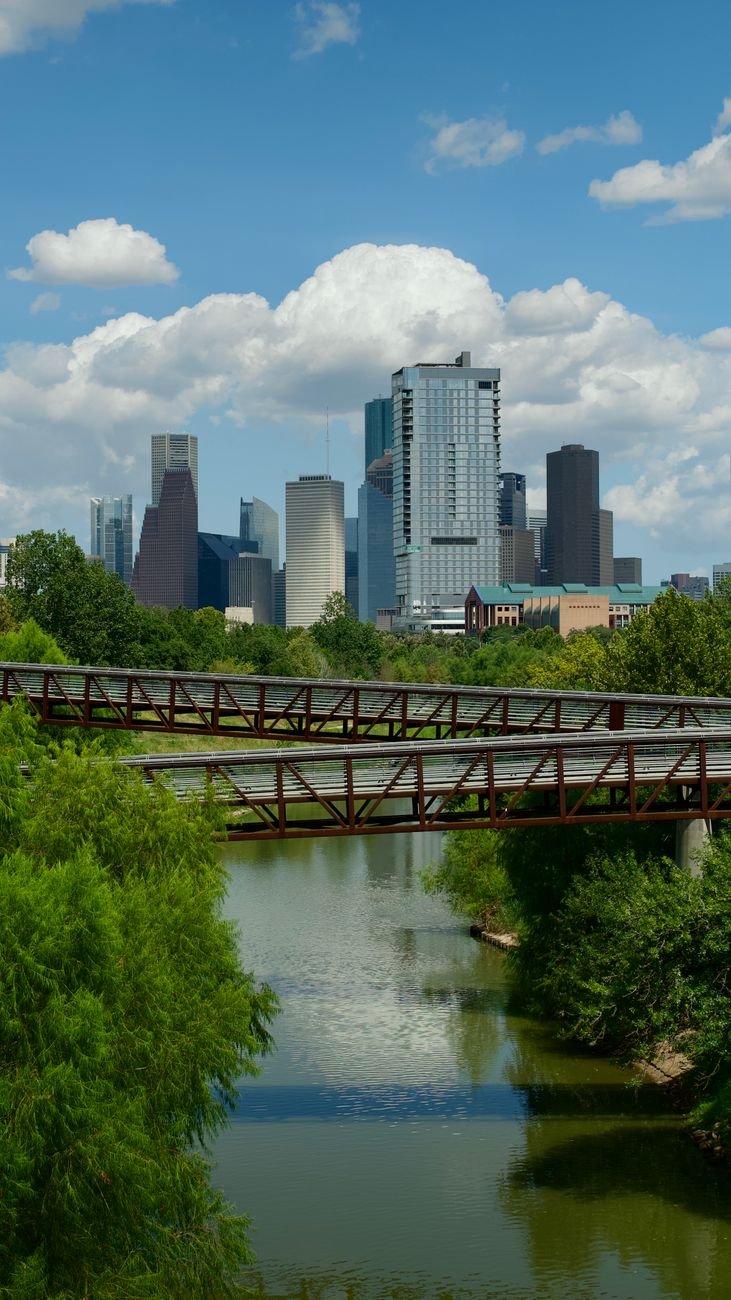
Start with the bayou. Buffalo Bayou Park runs along the waterway that gave the city its first shipping artery, and the green space that Houston Parks Board has built along its banks is one of the great urban parks in the South. The trails stretch several miles from the Waugh Drive bat colony, where a million Mexican free-tailed bats emerge at dusk from under the bridge, an event that draws a small, reverent crowd most evenings in warm weather, westward past the Eleanor Tinsley Park great lawn, a favorite spot for festivals and Fourth of July fireworks. The park is also the access point for the underground cistern, a 1927 drinking-water reservoir that the city converted into an art installation space; the acoustics alone are worth the trip.
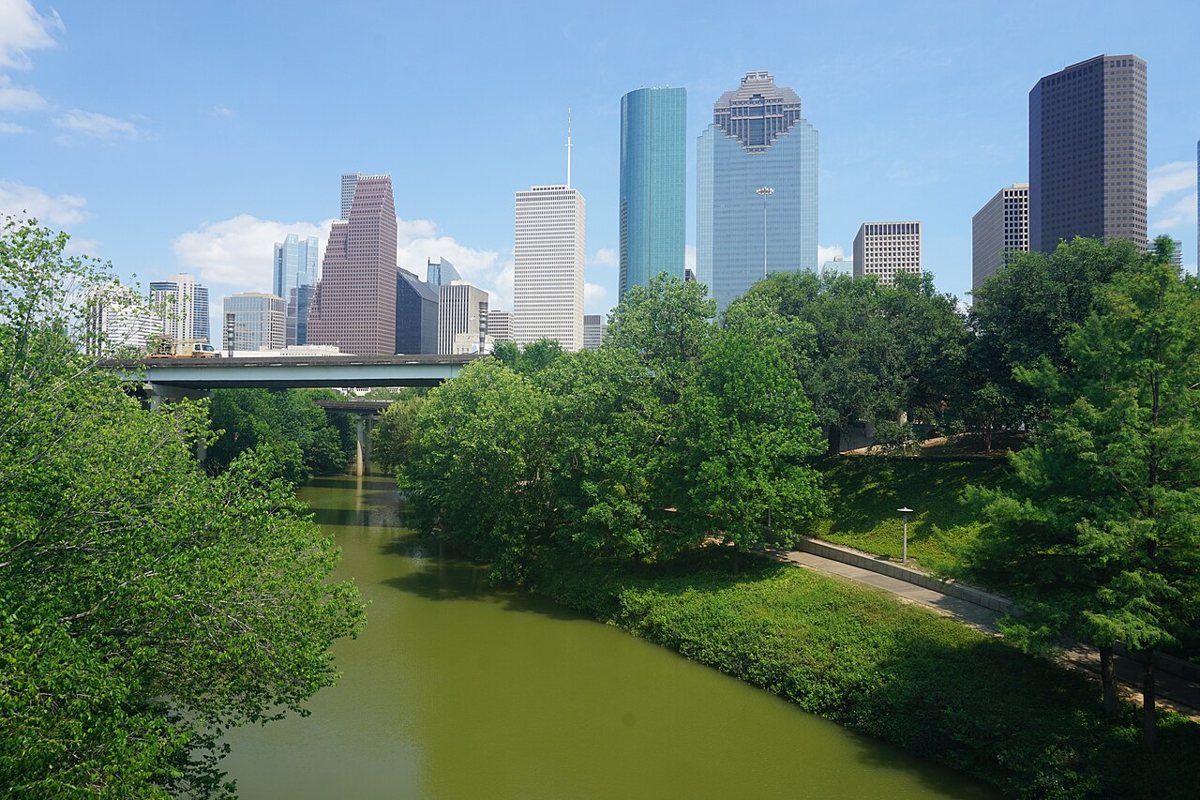

Kayaking the bayou is underrated. Several outfitters near the park rent paddlecraft, and an hour on the water gives you a perspective on the downtown skyline that no highway offers. The park connects east toward Allen's Landing, the historical site where the Allen brothers launched their audacious land-speculation scheme in 1836, and west toward the Water Wall.
Gerald D. Hines Waterwall Park
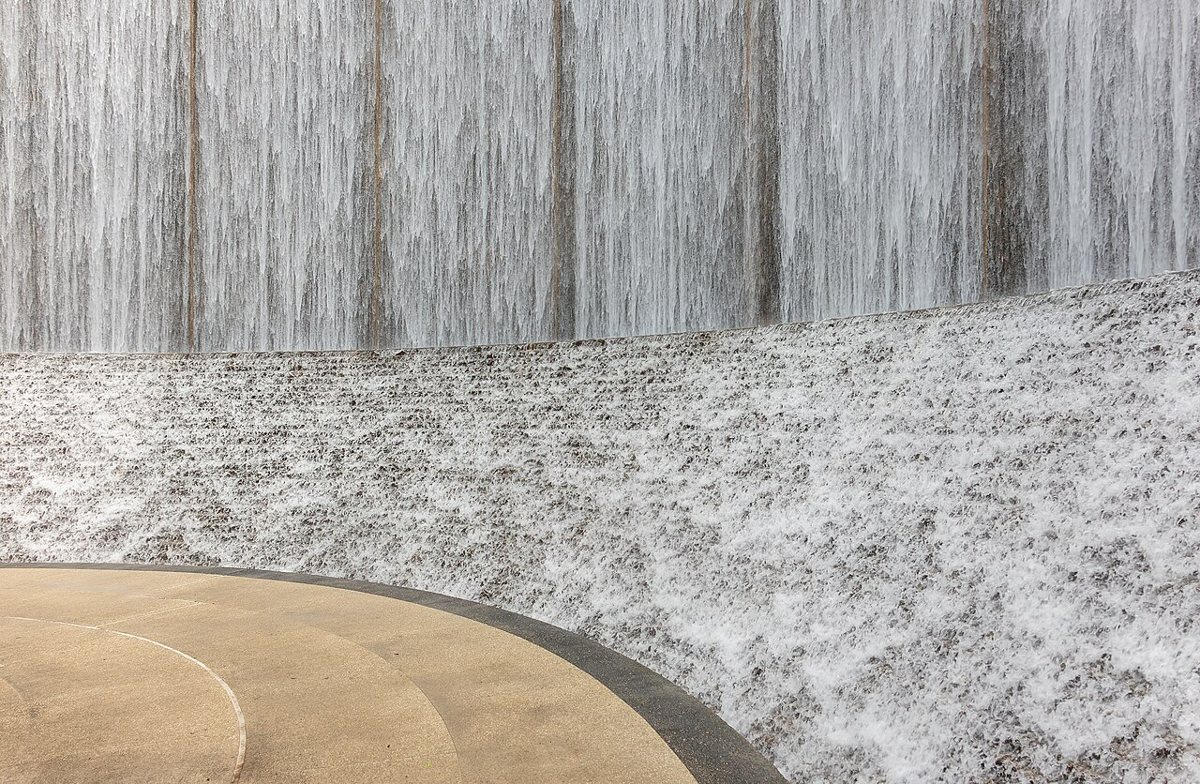
The Waterwall, formally named Gerald D. Hines Waterwall Park, sits in the Galleria area just off Westheimer and is exactly what it sounds like: a semicircular wall of cascading water surrounded by live oaks. It was built as a fountain feature for a Williams Tower office development in the 1980s, but Houstonians adopted it as a public gathering spot immediately, and the city eventually took it over. It's free, it's open most of the day and into the evening, and it is genuinely spectacular, the roar of the water is audible from half a block away, the mist cools you down, and the oaks give the whole scene a slightly surreal grandeur. Weekend mornings bring wedding photo shoots, quinceañera portraits, and families from every zip code in the city.

The Museum District: Art, Science, and Hermann Park
The Menil Collection
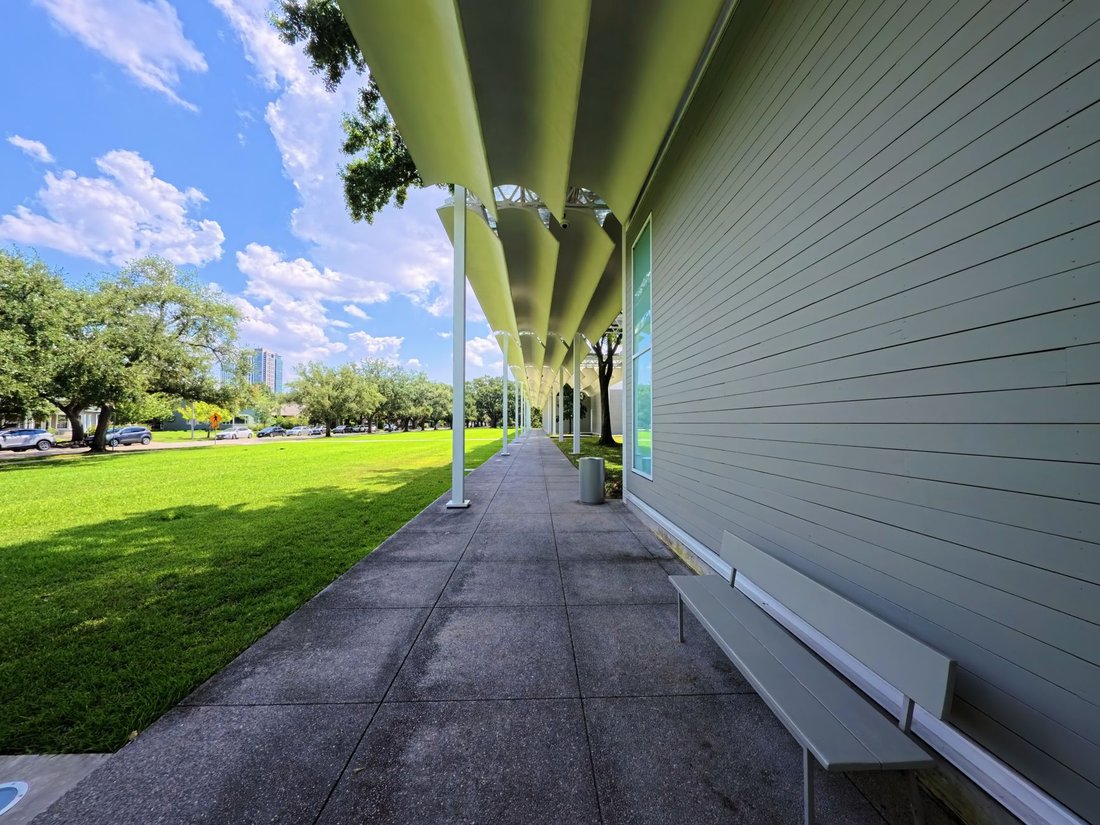
The Menil Collection is one of the great art museums in the country, and admission is permanently free. John and Dominique de Menil assembled a collection of roughly 17,000 works, Surrealism, Cubism, Byzantine icons, African art, Cy Twombly, and built a low-slung Renzo Piano building to house it in the Montrose-adjacent neighborhood now known as the Menil campus. The campus itself sprawls across several blocks of bungalow streets; the Rothko Chapel is two minutes on foot from the main building, and the Dan Flavin installation at Richmond Hall is a short walk in the other direction. Plan to spend two to three hours at a minimum, and do not skip the Cy Twombly Gallery, which occupies its own building and contains some of the most arresting large-scale canvases you will find in any public collection anywhere.
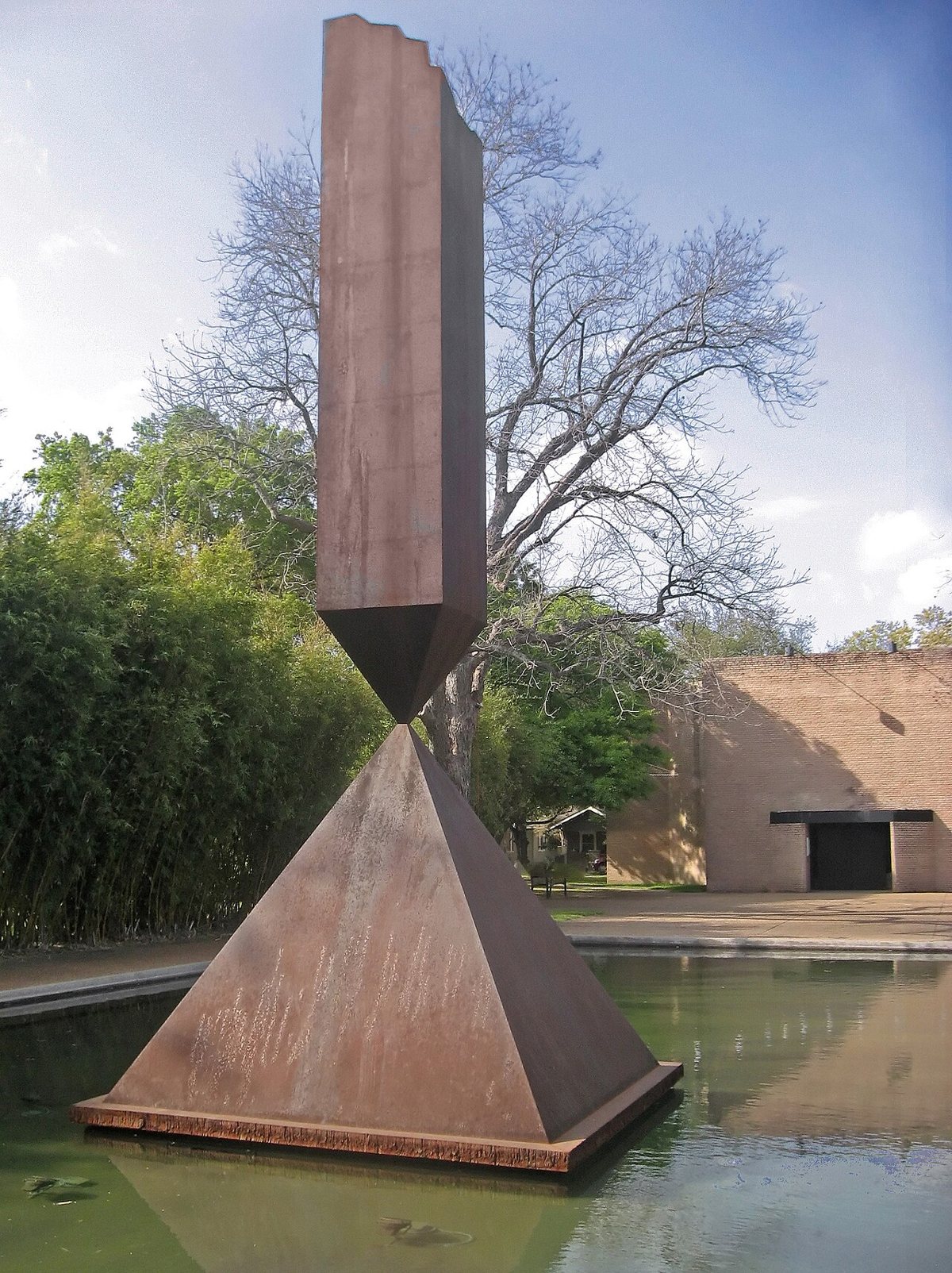
The Rothko Chapel
Fourteen massive, nearly-black Mark Rothko paintings line the walls of a nondenominational chapel that Dominique de Menil commissioned in 1971. It is simultaneously an artwork and a functioning place of meditation, open to people of every faith and none. The octagonal room is quiet in a way that is almost never achieved in a city of this size. People cry in there. People sit for an hour without moving. The chapel hosts interfaith services, memorial events, and human rights programs; it is not a museum exhibit and should not be treated like one. Come without an agenda and stay as long as the room holds you.

The Museum of Fine Arts Houston
The MFAH is the largest art museum in the South, with a permanent collection spanning ancient Egypt through contemporary painting. The Audrey Jones Beck Building and the Caroline Wiess Law Building face each other across Bissonnet Street, connected by an underground tunnel that passes through a light installation. The museum's strengths run deep in European painting, pre-Columbian art, and American decorative arts, but the photography collection and the African art holdings can anchor entire visits on their own. On Thursday evenings the main buildings are open late and admission to the permanent collection is free for Houston residents. The Cullen Sculpture Garden next door is always free and features Rodin bronzes set among native plantings, a good place to start or finish.
Houston Museum of Natural Science
The Houston Museum of Natural Science anchors the Hermann Park end of the Museum District. The permanent halls cover paleontology, gems and minerals, ancient Egypt, and the Hall of the Americas in ways that skew toward spectacle without sacrificing rigor. The Morian Hall of Paleontology in particular is worth the ticket price alone, the dinosaur mounts are arranged in an open, cathedral-like space that lets you walk among them at eye level. The Burke Baker Planetarium has been recently updated, and the butterfly center is a good idea year-round because Houston summers mean you will want an air-conditioned room that also feels like a rainforest.

Hermann Park
Hermann Park is the green lung between the Museum District and Rice University, and it is one of the places where Houston's diversity is most visible at ground level. The McGovern Centennial Gardens went through a major redesign and are now genuinely beautiful, terraced, planted by season, and anchored by a tall observation deck that looks out over the park and city. The Houston Zoo occupies the southern end; it is not free, but it is large and well-maintained. The reflection pool and the Sam Houston equestrian statue are the historic heart of the park, and the light rail stops at the museum stop and places you a short walk from all of it. The park is navigable entirely without a car, which in Houston is worth noting explicitly.
Space Center Houston and the Southeast
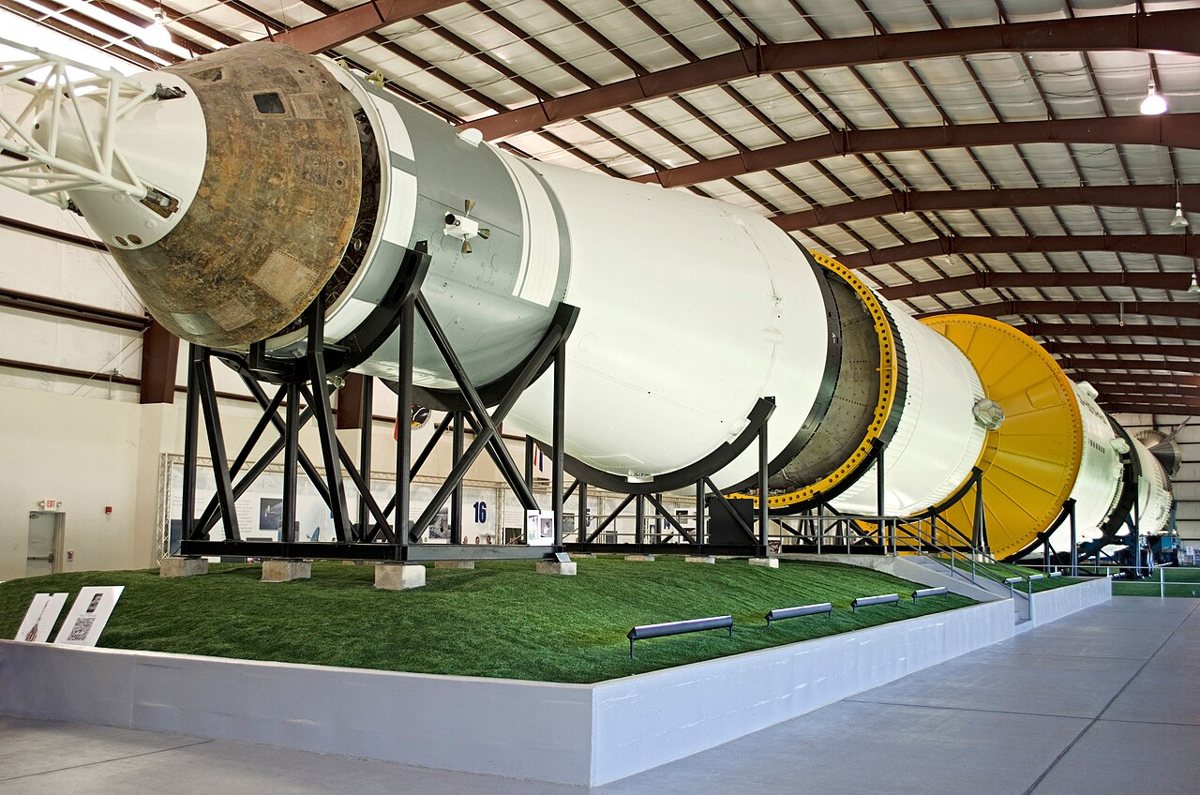
Space Center Houston is the visitor center for NASA's Johnson Space Center, which means it is the actual workplace for actual astronauts, not a theme park that borrowed NASA's name. The exhibits are dense with real hardware (flight suits, mission control replicas, lunar samples) and the tram tour through the active campus brings you into the historic Mission Control building where Apollo flights were managed. The Saturn V rocket on display in the Starship Gallery is 363 feet long and hangs horizontally in a building designed around it. No photograph prepares you for the scale. Children are the obvious audience, but adults who grew up with the space program tend to go quiet in that building in a particular way. Budget at least half a day; the tram tour alone takes over an hour and the main building is large enough that most people underestimate the time it needs. Go on a weekday if you can, the weekend crowds, especially in summer, are significant.
Space Center Houston is about 25 miles southeast of downtown, which in Houston means roughly forty minutes without traffic and longer with it. The drive takes you through Clear Lake, a NASA-adjacent suburb that has been shaped by the space program since the 1960s; the restaurants and aerospace-industry culture of that community are themselves a small window into a particular slice of Houston life that most visitors never see. If you combine Space Center with a morning in the Museum District, the drive back through the Texas Medical Center (the largest medical complex in the world, occupying over 50 million square feet and employing more than 100,000 people) reminds you of the scale at which this city operates in fields that are easy to overlook when you are thinking about fajitas and bayou parks.

Montrose: Art, History, and the Best Drinking in the City
Montrose is Houston's oldest continuously interesting neighborhood, LGBTQ culture took root here in the 1970s and never left, even as the demographics broadened and the real estate values climbed. Westheimer Road through Montrose is the city's most reliable stretch for independent restaurants, bars, and shops, and the side streets contain a dense collection of galleries, the Menil campus, and mid-century bungalows. The craft cocktail scene here is legitimately excellent; bars like Anvil (which essentially started the city's cocktail revival) set a standard that the neighborhood's newer spots have maintained. The neighborhood rewards walking more than most of Houston: park once near the Menil and you can hit three or four gallery openings, a bookshop, a natural wine bar, and a banh mi counter before you run out of ideas. The energy shifts by hour, coffee shops and brunch spots in the morning give way to record stores and gallery hopping in the afternoon, which gives way to the bar scene after dark.
The Orange Show Monument Center is a few miles southeast of Montrose proper but spiritually belongs to this conversation about Houston's eccentric, homegrown art culture. A self-taught artist named Jeff McKissack spent decades turning his backyard into a monument to the orange, constructing a labyrinthine environment of found metal, tile, wagon wheels, and folk-art figures on a workingman's lot in the East End. McKissack believed oranges held the secret to good health and he wanted the world to know it, so he built a public attraction out of conviction and sheet metal. The Orange Show now operates as a nonprofit arts organization and opens the site for tours and events. It is also the organization behind the Houston Art Car Parade, the annual procession of decorated vehicles that is one of the most genuinely weird and wonderful public events in any American city.
Chinatown, Bellaire, and the Southwest Asian Food Corridor
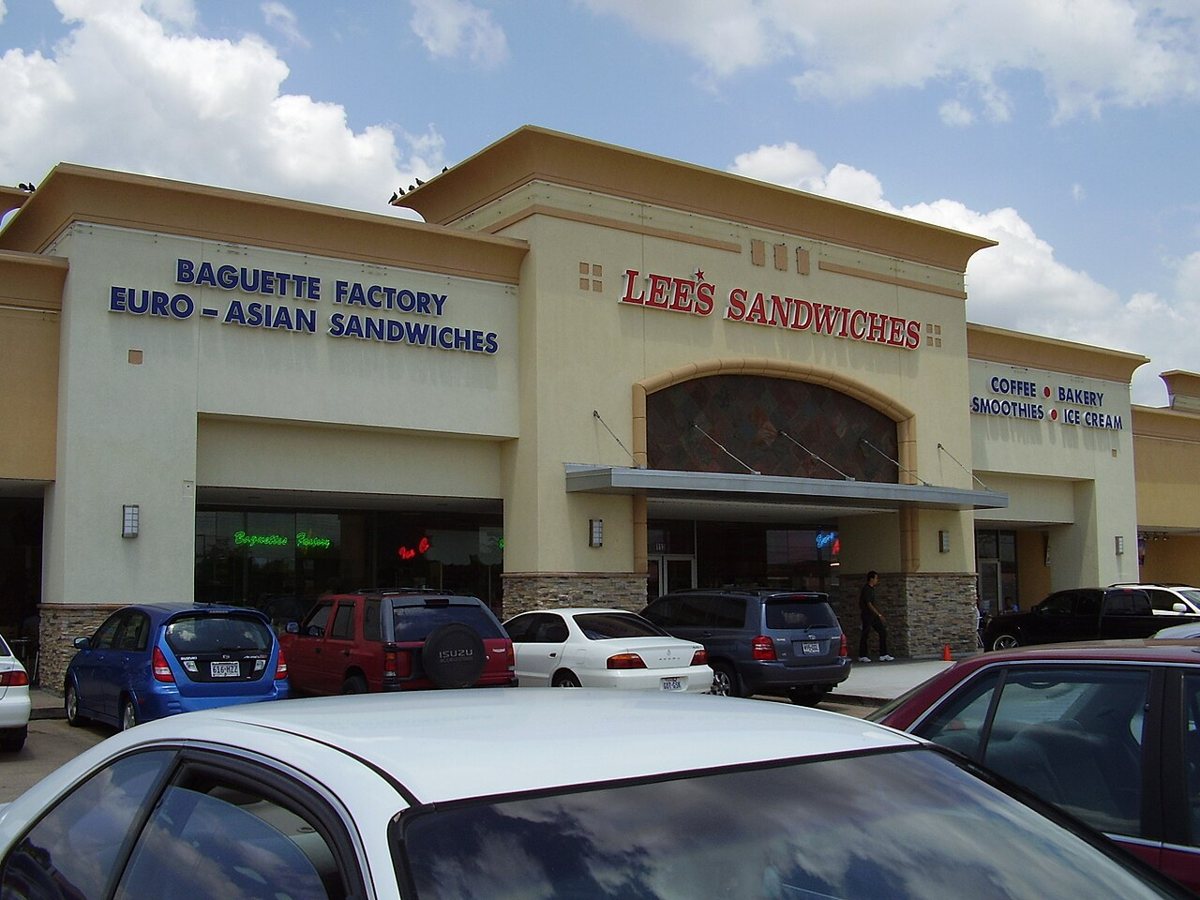
The stretch of Bellaire Boulevard from the 610 Loop west toward Gessner is one of the great food corridors in the United States, and calling it simply "Chinatown" undersells it considerably. Vietnamese, Chinese, Taiwanese, Korean, Malaysian, and Japanese restaurants operate within a few blocks of each other, many of them with regional specificity, hand-pulled noodles from one province, clay pot rice from another, bánh mì made with a specific ratio of pork-to-pickled-daikon that you will find argued about in enthusiastic terms by people who know. Lunch here on a weekday is one of the best and least expensive ways to spend an afternoon in Houston. The Hong Kong City Mall on Bellaire has a food court that functions as an informal introduction to what the corridor offers. The area's Vietnamese options alone warrant a dedicated afternoon; show up hungry and follow the crowds.

Gulfton and the International District
Gulfton, the dense apartment neighborhood southwest of the Galleria, is the most pan-Latino community in a city full of Latino communities. The neighborhood's commercial strips reflect Central American, South American, and Mexican regional cuisines alongside Caribbean and African influences. Pupuserias, Honduran baleadas, and Salvadoran pasteles sit near Colombian bakeries and Senegalese restaurants. This is not a neighborhood designed for tourists, which is precisely why it is worth visiting. The Fiesta Mart on Hillcroft, a Houston-born supermarket chain, is itself an experience: a grocery store that stocks ingredients from several dozen culinary traditions under one roof, with a prepared-food section that reflects exactly who shops there.
For Tex-Mex that predates the tourist versions of it, the streets around Gulfton and the Southwest Freeway corridor hold fajita and breakfast taco institutions that have been feeding the same families for thirty-plus years. The breakfast taco in Houston is not the thing it became elsewhere; here it is a workingman's food, wrapped in a flour tortilla made the same morning, with eggs and potato or barbacoa or whatever the taqueria decides, sold from a steam tray at six in the morning to people on their way to job sites. Following this food to its source is one of the more grounding things you can do in the city.
The Heights and EaDo: Craft Beer and Stadium Energy
The Heights is the cluster of Victorian and craftsman bungalows north of I-10 that has been gentrifying in waves since the 1990s without quite losing its local character. Heights Mercantile, a developed block of local shops and restaurants, gives you the curated version; the actual Heights Boulevard hike-and-bike trail and the Nineteenth Street antique and restaurant strip give you the more organic one. The Heights neighborhoods also have several serious breweries, including a few with large outdoor beer gardens that function as neighborhood gathering spots on weekend afternoons. The Nineteenth Street corridor in particular is worth an afternoon: independently owned boutiques, vintage furniture stores, a good bookshop or two, and enough restaurant options to make the afternoon run long without effort. The neighborhood also connects south to the bayou trails, so you can park in the Heights, walk or bike to the water, and cover most of a day without getting in a car again.
EaDo (East Downtown) changed significantly when Minute Maid Park was built for the Astros, and it changed again when Shell Energy Stadium (soccer) and the practice facilities for multiple professional teams moved in. The neighborhood now has a genuine game-day energy that spills into its bars and restaurants for most of the year. An Astros game at Minute Maid Park is worth attending even if baseball is not your primary interest: the retractable roof means the game goes on regardless of weather, the Crawford Boxes in left field are close to the action, and the Tex-Mex and Gulf seafood options inside the stadium are better than you expect from a ballpark. On non-game days, the EaDo streets between the stadiums and the bayou have developed a bar and restaurant scene anchored by warehouse conversions, tighter and grittier than Montrose, which is part of the appeal.
The East End more broadly (the neighborhoods between EaDo and Gulfton, along Navigation Boulevard and Canal Street) is where Houston's oldest Mexican American community has its commercial heart. Mariachi restaurants, panaderias, and the original Ninfa's on Navigation (Mama Ninfa famously introduced fajitas to the American restaurant menu here in 1973, a claim Houston takes seriously) make this stretch a legitimate food-history destination as much as a neighborhood to explore.
Practical Notes for Getting Around
Transit and Getting Around
- The METRORail Red Line connects Downtown, Midtown, the Museum District, Hermann Park, and the Medical Center on a single route. For visitors staying in or near Midtown, it makes the Museum District genuinely car-free.
- Everything else requires a car or rideshare. Houston is a driving city, and distances between the neighborhoods listed here range from manageable to significant. Plan accordingly and do not try to cover the full southwest-to-southeast range in a single afternoon.
- Parking near the Menil campus is street parking in a residential neighborhood; arrive with patience and a willingness to walk a few blocks.
What's Free
- The Menil Collection: always free.
- The Rothko Chapel: always free, though donations are accepted.
- The Cullen Sculpture Garden at the MFAH: always free.
- Buffalo Bayou Park and all its trails: free.
- Gerald D. Hines Waterwall Park: free.
- Miller Outdoor Theatre: all performances are free; reserved seating is available in advance, hill seating is open to anyone.
- Hermann Park grounds and gardens: free (the zoo requires a ticket).
Timing
- Outdoor attractions are most comfortable from October through April. The rest of the year is hot; plan outdoor activities for morning or early evening.
- The Houston Livestock Show and Rodeo in late winter is one of the largest events in the country and genuinely worth attending, the livestock competitions, the carnival, and the nightly concerts draw a crowd that reflects every corner of the city.
- Discovery Green, the downtown park adjacent to the convention center, hosts free outdoor concerts and events on a rolling calendar that rewards checking in advance.
The Real Point of View
Houston does not have the obvious headline attractions of some American cities. There is no singular skyline shot, no one neighborhood that functions as the postcard. What the city has instead is density of actual life, the sense that something real and specific is happening in every direction, that the Vietnamese family running a pho counter on Bellaire has more in common with the Nigerian grandmother selling pepper soup from a steam tray two blocks over than either of them does with the version of Texas that gets exported in country songs. The city is not performing multiculturalism. It simply is that way, because the port and the oil fields and the medical center drew people from everywhere for a century, and the people stayed and opened restaurants and built churches and started businesses.
The best things to do in Houston are the things that put you in contact with that reality: eating your way down Bellaire, standing in the Rothko Chapel until the room does something to you, watching a million bats unspool into the sky over the bayou at dusk. The city gives more the more you ask of it, and it asks very little of you in return except that you show up without too many preconceptions about what Texas is supposed to be.