Best Parks in Houston You Shouldn't Miss
From a restored bayou downtown to a bat colony under a bridge to a 1,500-acre urban forest west of the Loop, a working list of the parks that actually earn the hype, park by park and neighborhood by neighborhood.
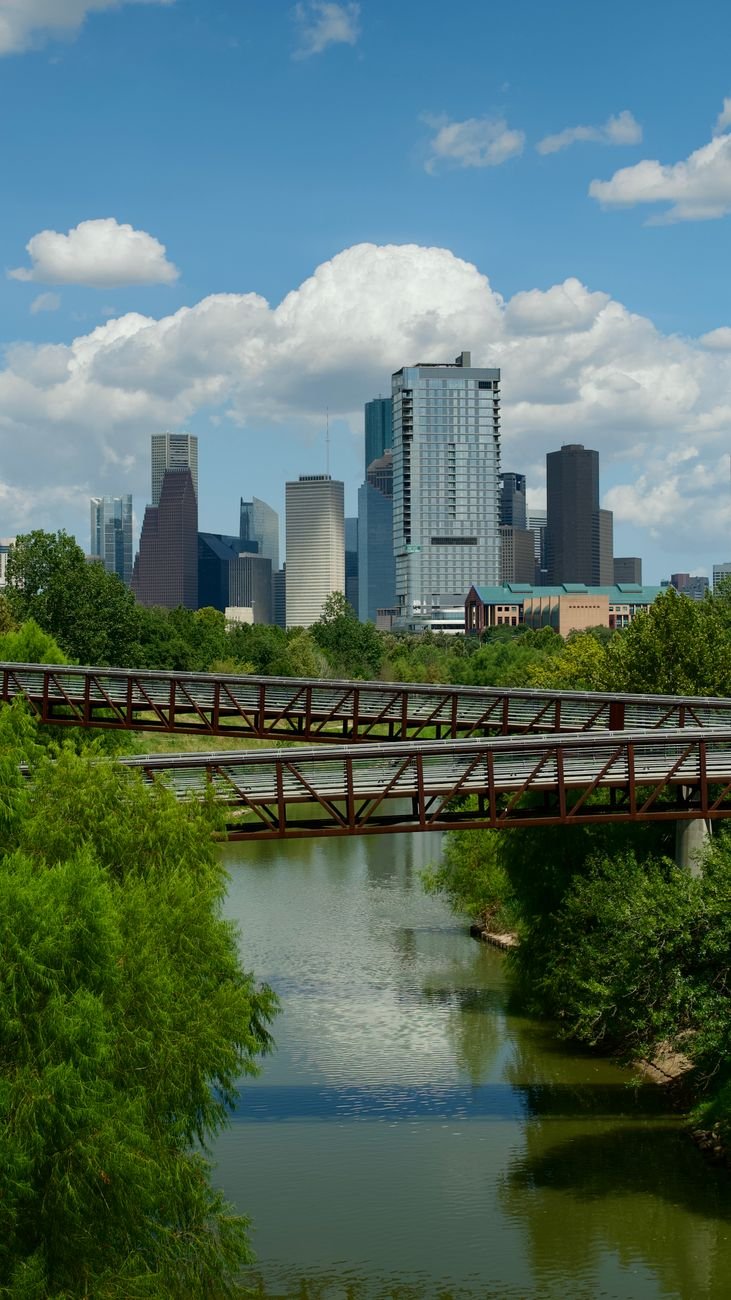
Just after seven on a Saturday morning, the Jackson Hill Trail inside Buffalo Bayou Park is already busy: marathon trainees on their long run, a woman walking two greyhounds past the Waugh Street bat colony's roost, a father teaching his daughter to ride a bike near the dog park. Nobody here is thinking about refineries or the forecast. They're deciding whether to loop toward the Rosemont Bridge or the skyline view near Sabine Street, and that small daily ritual explains the best parks in Houston better than any brochure could.
That range is the point. Houston works its green space the way it works everything else: without a master plan, through decades of philanthropy, bayou advocacy, and neighborhood insistence, in a city too spread out and too varied to be summed up by any single park. The joggers on Memorial Park's trails at dawn are not the same crowd paddling under the Sabine Street bridge, and neither group looks much like the families setting up a birthday party at Emancipation Park in the Third Ward or the regulars playing dominoes near MacGregor Park's bayou trail. Houston's parks map onto its neighborhoods, and its neighborhoods map onto one of the most genuinely mixed populations of any American city. Here's where to go, organized by what's actually there.
The Best Parks in Houston Inside the Loop
Buffalo Bayou Park
This is the one out-of-towners see in photos and the one locals actually use. The Buffalo Bayou Partnership's renovation, completed in 2015, turned roughly 160 acres running from downtown out past Shepherd Drive into the city's connective tissue: hike and bike trails on both banks, kayak and canoe launches, the Lost Lake event lawn, a skate park, a dog park, and the sculpture garden known as the Tolerance figures. The bayou itself, muddy and unglamorous by design, is the whole point. Rent a kayak near the Sabine Street put-in and paddle toward downtown as the skyline stacks up behind the water. Stop for coffee or a meal at the Dunlavy, the glass-walled restaurant built into the old pump station near the park's western edge, before continuing the loop. The insider move is timing a visit for dusk between roughly March and October, when the Mexican free-tailed bat colony under the Waugh Drive bridge streams out to feed, a free and genuinely startling show that most visitors never hear about. It's worth remembering, too, that this bayou almost got straightened into a concrete drainage channel in the 1960s, and the fact that it still curves and floods and grows cypress trees along its banks is the direct result of the same conservation fight that later produced Terry Hershey Park further west. This stretch borders Montrose to the south and the edge of downtown, making it an easy add-on to a night out.

Memorial Park
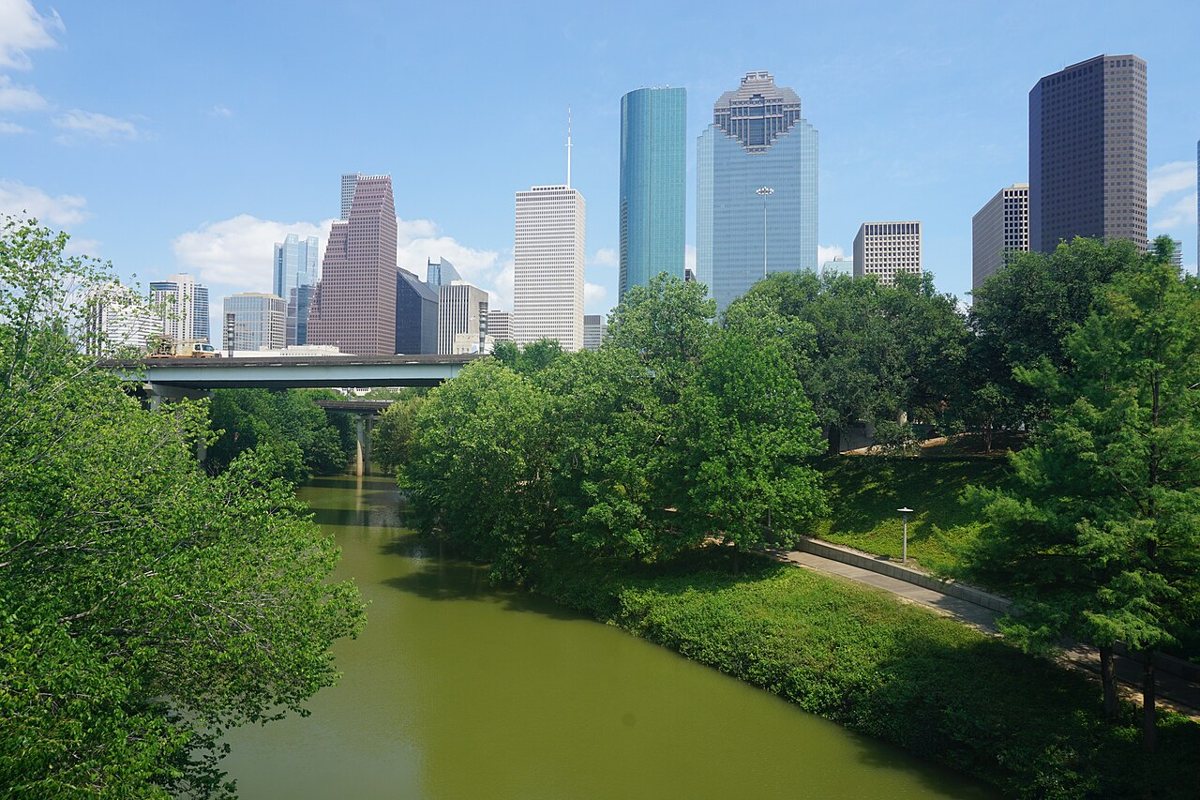
At roughly 1,500 acres, Memorial Park is one of the largest urban parks in the country, built on the site of a World War I training ground called Camp Logan. It took a beating during the 2011 drought and has spent the past decade in an ambitious restoration led by the Memorial Park Conservancy, including the Eastern Glades, a wetlands-and-meadow district with a reflecting pond, and the Kinder Land Bridge, a pair of grassy overpasses that reconnect the park's two halves over Memorial Drive. Runners know the Seymour Lieberman Trail, a roughly three-mile crushed-granite loop that has been a training ground for Houston marathoners for generations. There's also an 18-hole public golf course, tennis center, and the Hogg Bird Sanctuary tucked along the bayou. Because it sits so close to several dense inner-Loop neighborhoods, the park has become the default training ground for the city's serious running clubs, and it's common to see pace groups of a dozen or more circling the Lieberman loop before sunrise on weekday mornings. The insider tip is to park near the Eastern Glades entrance rather than the crowded picnic loop lot, and to go early on weekends before the Lieberman loop fills in. It sits west of the Loop, bordering the Memorial and Rice Military areas, an easy pairing with Houston's best hiking and running trails for anyone building a longer outdoor day.

Eleanor Tinsley Park
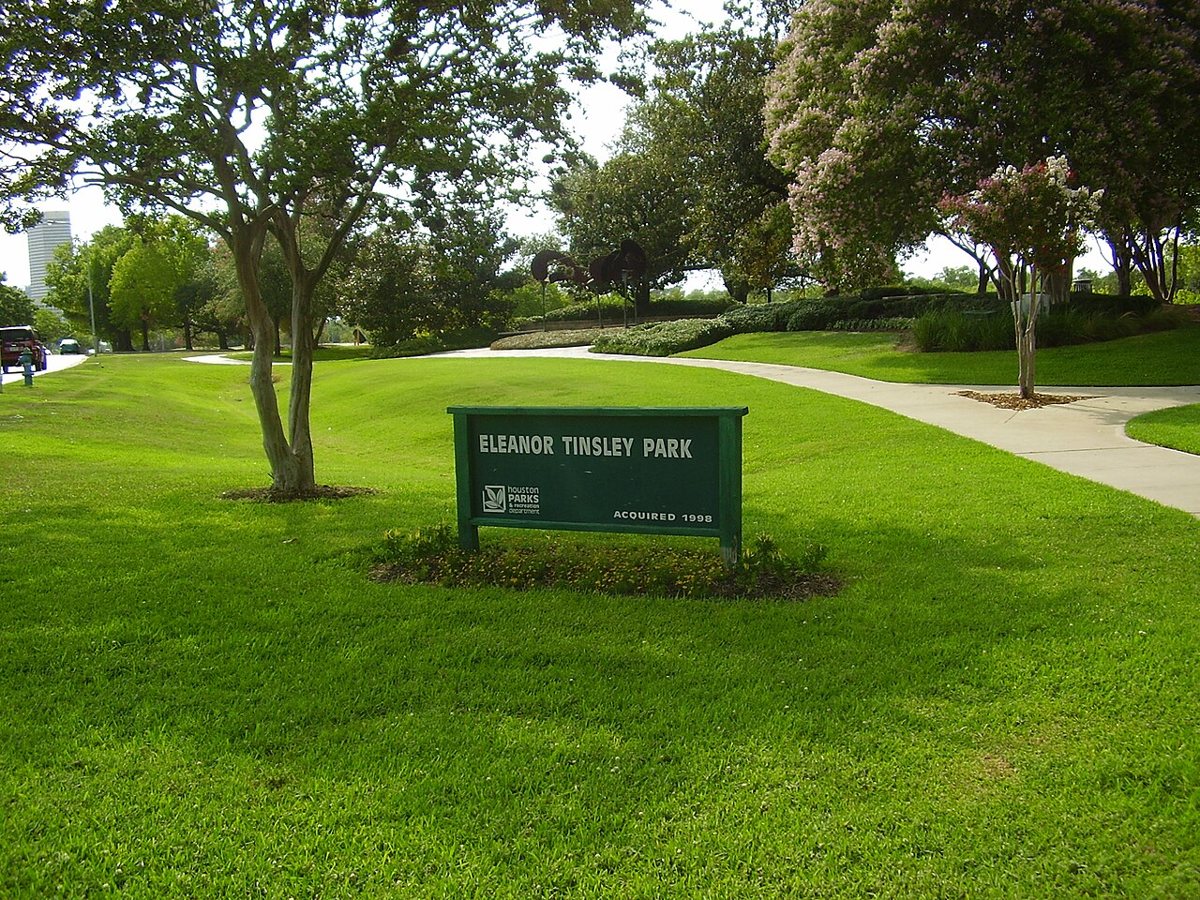
Running along Allen Parkway between downtown and Buffalo Bayou Park proper, Eleanor Tinsley Park is the flat, open, festival-ready green space that hosts much of the city's outdoor programming, from concerts to fireworks-viewing crowds on the Fourth of July. It's named for the longtime city councilwoman who pushed hard for bayou preservation, and its wide lawn with downtown as a backdrop makes it a favorite of local photographers. Locals use it for the practical stuff: a flat running loop, a place to fly a kite in the open field, or a picnic spot with a skyline view that costs nothing. The insider tip is to bring a blanket to the slope near Sabine Street around sunset, when the light hits the downtown towers and the crowd is thin outside of event days. It borders Montrose and the edge of the Fourth Ward.

Discovery Green
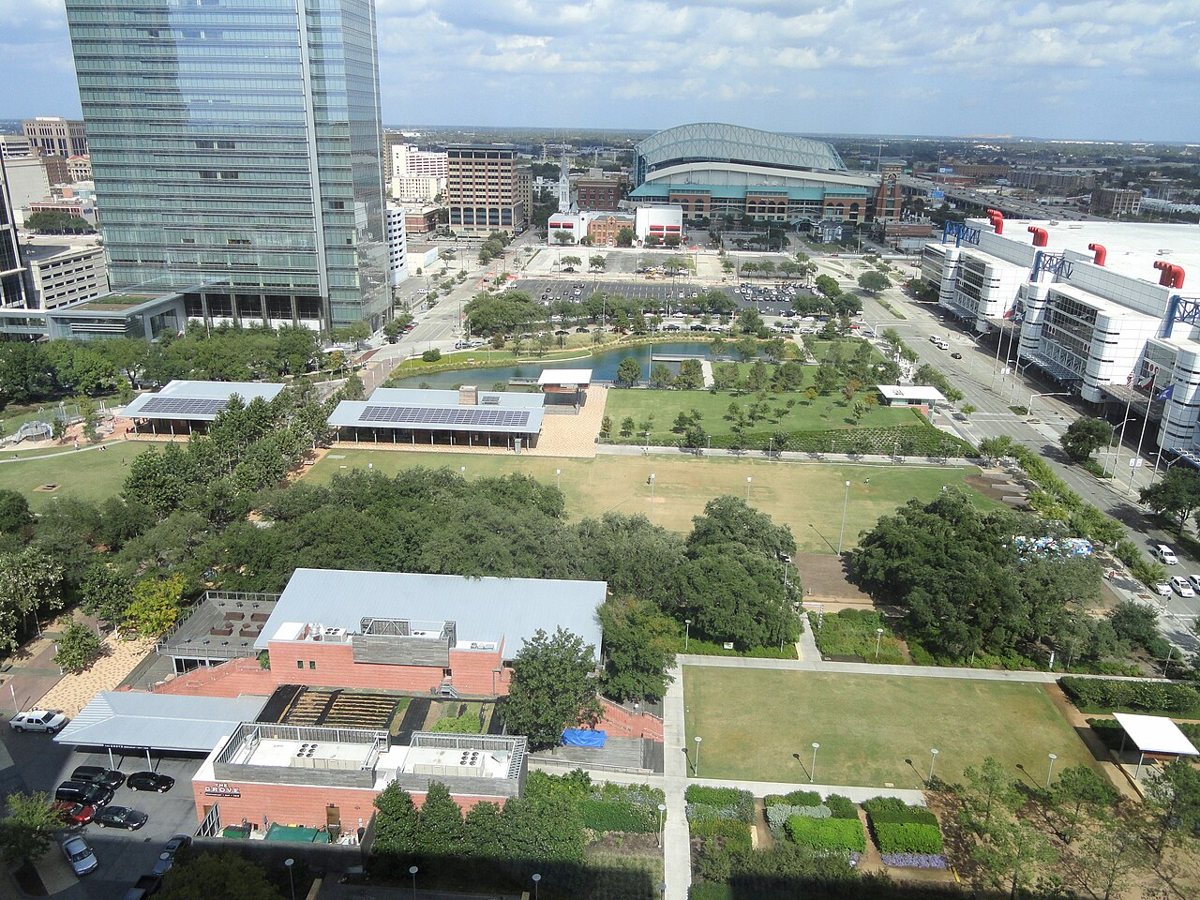
Discovery Green opened in 2008 across from the George R. Brown Convention Center and instantly proved that downtown Houston could support a real public square, not just office towers that empty out at six. The twelve-acre park centers on Kinder Lake, where paddle boats circle past a splash pad, a dog run, and a great lawn used for markets and outdoor screenings. Restaurants including the Grove sit at the park's edge, and a pair of small event pavilions keep something happening most weekends. What makes it work as a park rather than just a plaza is the density of small design choices: shade structures, a putting green, a reading room stocked with books, benches angled toward the water instead of the sidewalk. It also functions as downtown's default meeting point for conventioneers staying across the street at the George R. Brown, which keeps the crowd here more varied, and more genuinely international on a given afternoon, than almost any other single block in the city. The insider tip is to come on a weekday lunch hour, when downtown workers spill out and the park feels like an actual neighborhood square rather than a tourist stop. It anchors the eastern edge of downtown, walkable from the Theater District and a short ride from EaDo.

Sam Houston Park
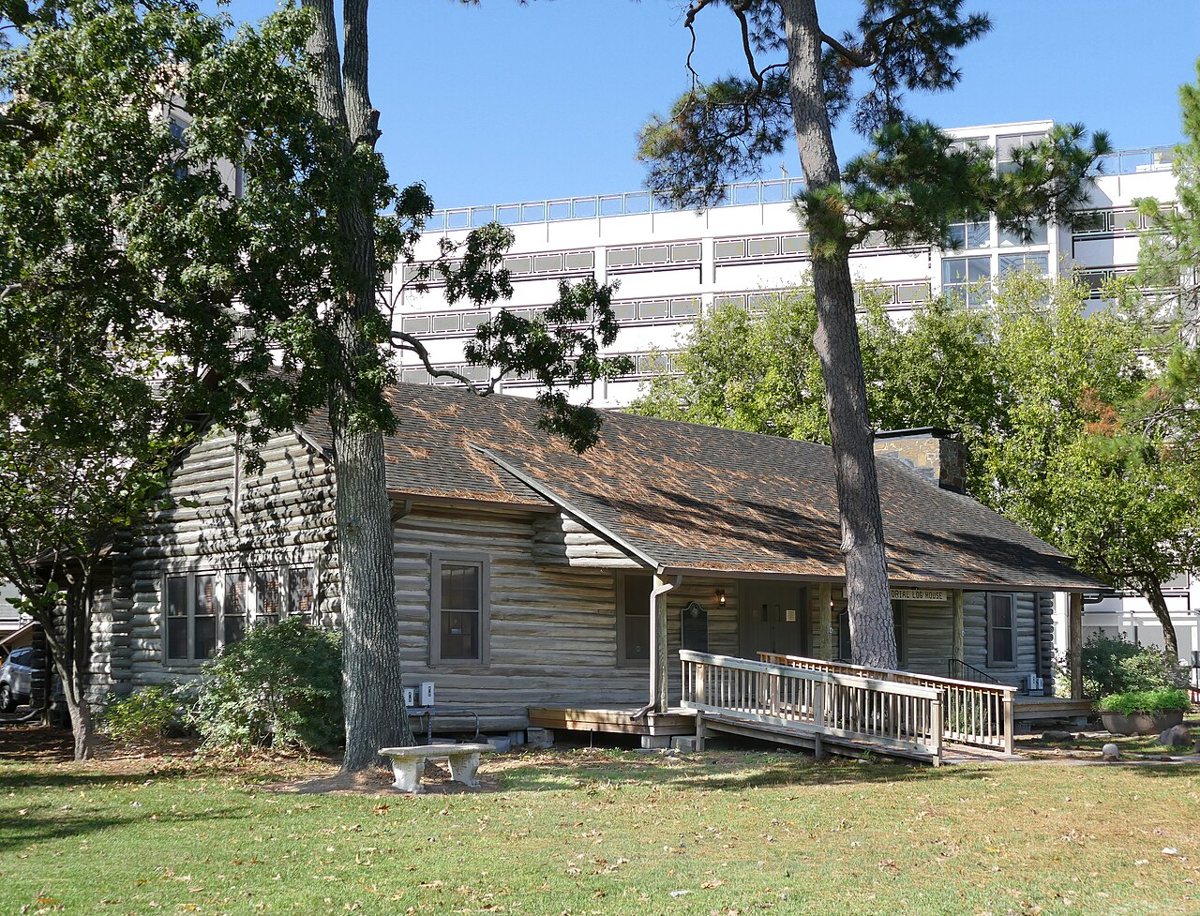
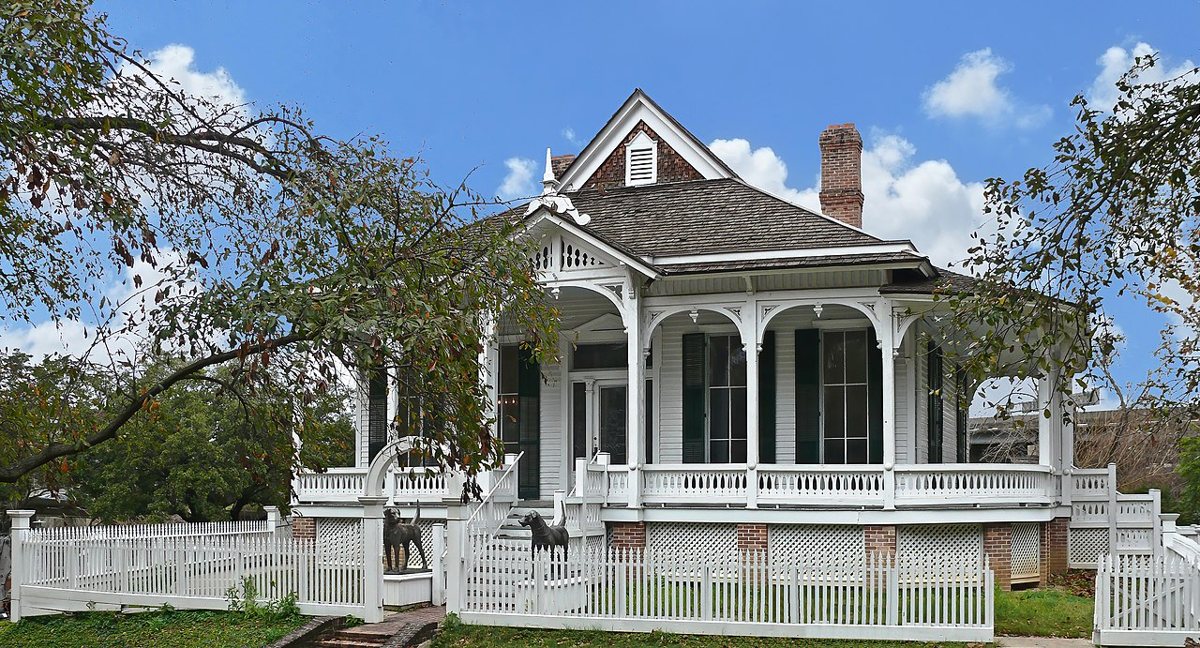
The oldest park in the city, established in 1899 on land that predates it as a private homestead, Sam Houston Park sits at the western edge of downtown and functions as much as an open-air museum as a green space. The Heritage Society maintains a cluster of relocated historic structures here, including the 1847 Kellum-Noble House, log cabins, and a Victorian-era church, spread across shaded, rolling lawn that feels nothing like the glass towers a block away. It's a quieter, smaller park than its downtown neighbors, better suited to a slow wander than a workout. The insider tip is to treat it as a fifteen-minute detour before or after a Buffalo Bayou Park visit, since the two connect directly by trail, rather than a separate destination requiring its own trip. It sits right at the edge of downtown proper, bridging into the bayou park system to the west.

The Museum District's Green Anchor
Hermann Park
No accounting of the best parks in Houston skips Hermann Park, and for good reason. At roughly 445 acres in the heart of the Museum District, it functions as the connective green space between the Museum of Fine Arts, Houston, the Houston Zoo, the Miller Outdoor Theatre, and Rice University just across the street. Inside its boundaries: the McGovern Centennial Gardens, with its terraced sundial garden and reflecting ponds; a formal Japanese Garden; the reflection pool fronting the Sam Houston monument, with the medical center towers rising behind it; paddle boats on Hermann Park Lake; and a narrow-gauge train that loops kids around the park's perimeter. The Miller Outdoor Theatre, an open-air amphitheater built into a hillside on the park's northern end, adds free performing arts programming that ranges from ballet to touring bands, with a sloped lawn where anyone can spread a blanket and watch without a ticket. It's the rare park that rewards both a two-hour museum-adjacent stroll and a full day of programming. The insider tip is to enter from the Fannin side near the reflection pool rather than the zoo entrance, which avoids the heaviest weekend traffic and drops you closest to the Centennial Gardens. It sits squarely in the Museum District, walkable from Rice and a short drive from the Third Ward.

Parks Built on Houston History
Emancipation Park
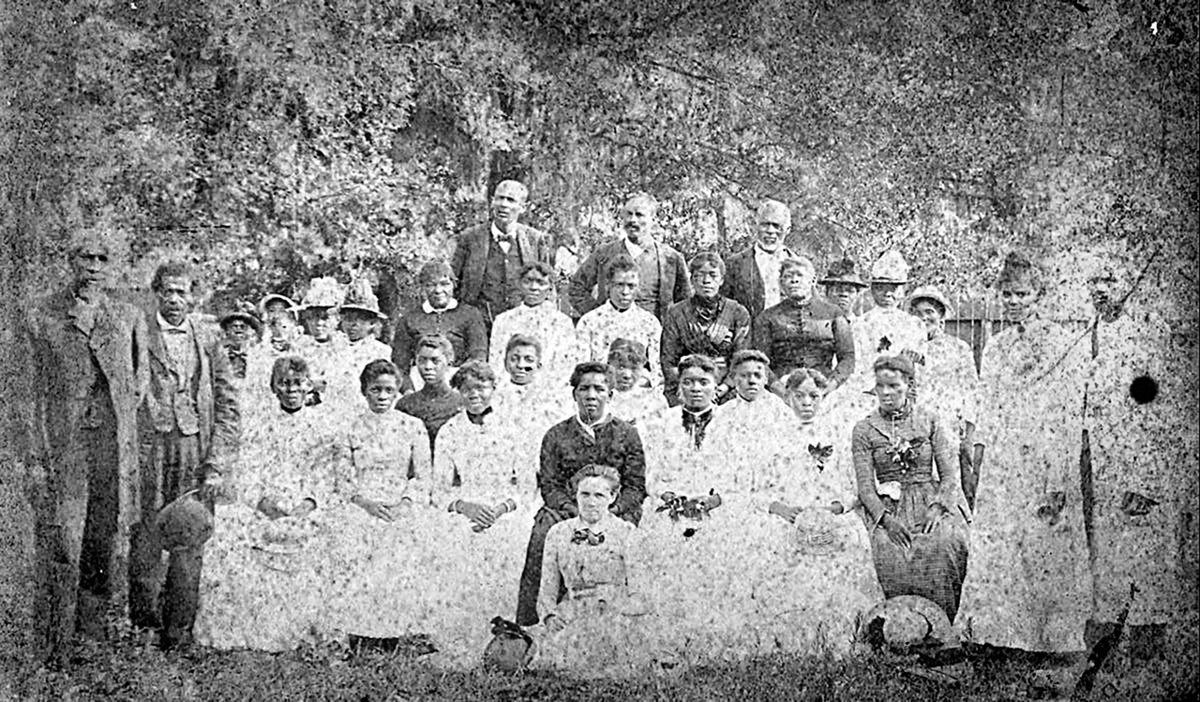
In 1872, a group of formerly enslaved Houstonians, including the Reverend Jack Yates, pooled money to buy ten acres of land in what is now the Third Ward specifically so the community would have a place to hold its Juneteenth celebrations. That makes Emancipation Park the oldest park in Texas and one of the oldest parks in the country founded by and for a Black community. A 2017 renovation added a new recreation center, pool, and tennis courts while preserving the park's role as a gathering place, and it still hosts the city's largest Juneteenth events on its lawns. Beyond the historical weight, it's a genuinely useful neighborhood park, with shaded walking paths and a community center that runs year-round programming, and the mural and monument work added during the 2017 renovation gives the grounds a visual weight that most city parks don't attempt. The insider tip is to pair a visit with a walk down nearby Emancipation Avenue to see how the Third Ward's cultural institutions have grown up around the park itself. It sits in the heart of the Third Ward, a short drive or bike ride from the Museum District.

MacGregor Park
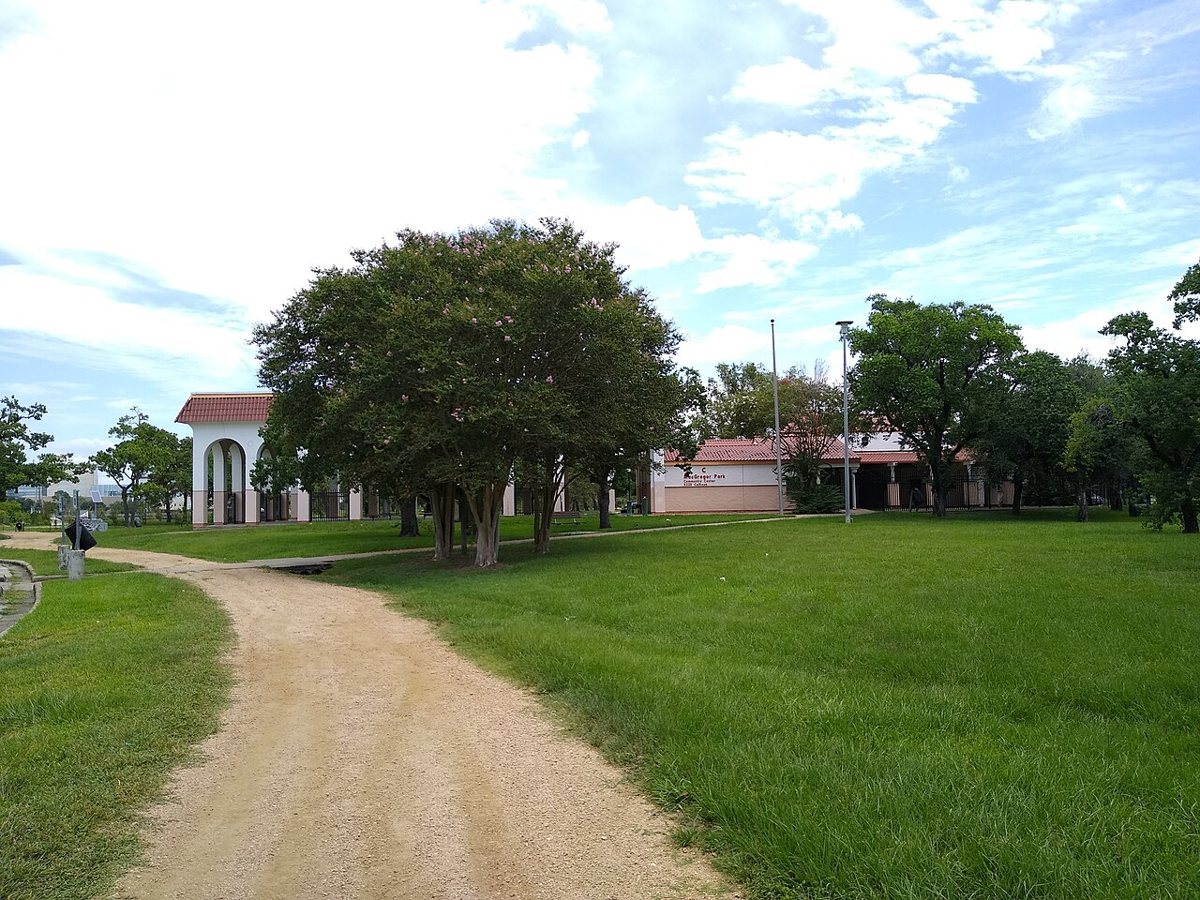
Strung along Brays Bayou in the Third Ward, MacGregor Park has served as a cornerstone of Black Houston civic life for generations, anchored by a community center, an outdoor amphitheater, and sports fields that have hosted everything from youth football leagues to political rallies. The adjacent MacGregor Golf Course, one of the city's public courses, draws its own steady crowd. What sets the park apart is the bayou trail that runs along its edge, connecting it into the larger Brays Bayou greenway system that stretches for miles in either direction, useful for anyone who wants a long run or ride without leaving paved trail. The insider tip is to combine a walk here with the bayou greenway heading toward the Texas Medical Center, since the trail is flat, shaded in stretches, and far less crowded than the Buffalo Bayou paths downtown. It's located in the Third Ward, close to the Museum District and easy to reach from University of Houston.

Neighborhood Parks Worth Crossing Town For
Levy Park
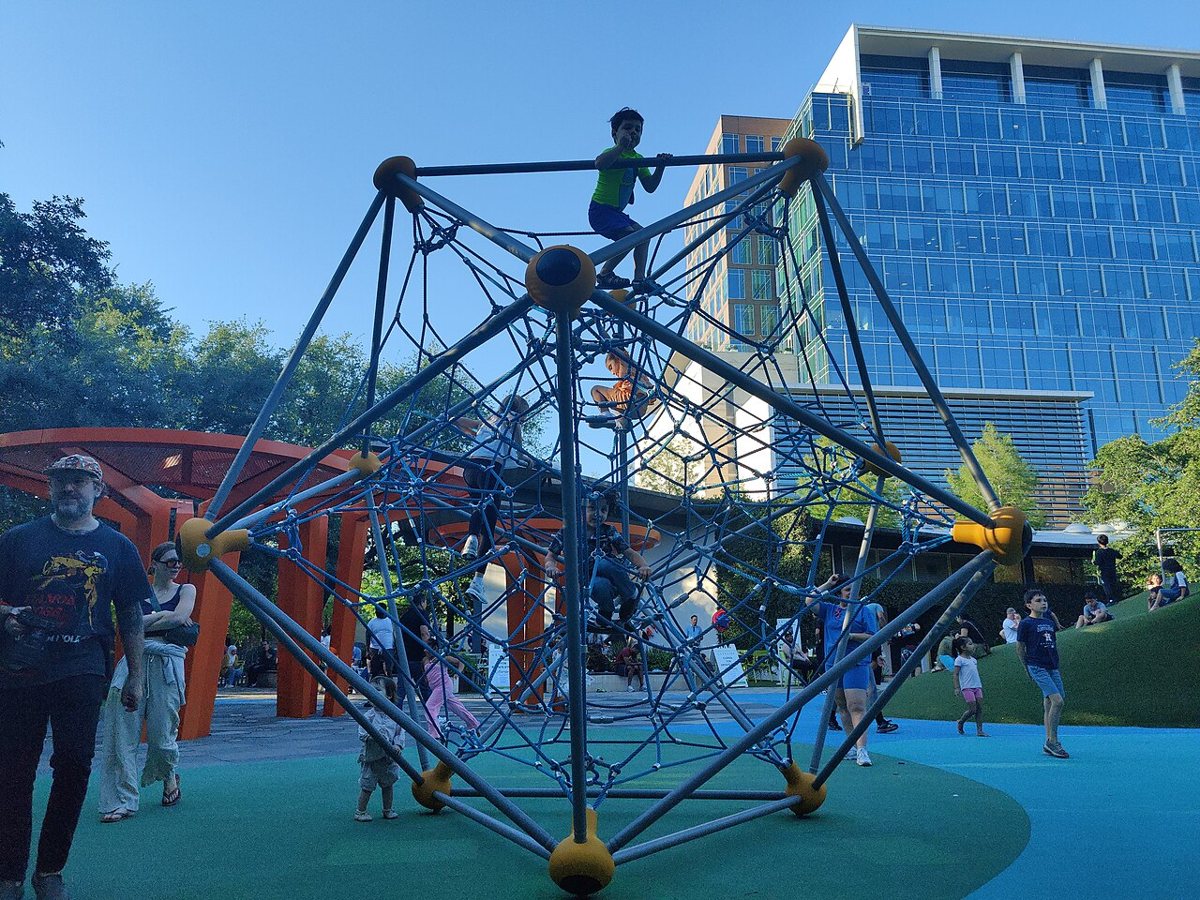
Levy Park, in the Upper Kirby area, is what a smaller neighborhood park looks like when a serious renovation budget and thoughtful design meet each other. Reopened after a major overhaul, it packs a lot into a compact footprint: a great lawn used for fitness classes and food truck gatherings, a dog park, a splash pad, and a central pavilion that anchors regular community programming. It doesn't try to be Hermann Park or Buffalo Bayou Park, and that's the appeal, since it's scaled to actual neighborhood use rather than citywide draw. The insider tip is to check what's happening at the pavilion before heading over, since the small footprint means a single event can change the whole feel of a visit. It sits in Upper Kirby, an easy stop for anyone spending the day around Montrose or the Museum District, close to some of the city's best restaurants along Kirby Drive and Westheimer.

Gerald D. Hines Waterwall Park
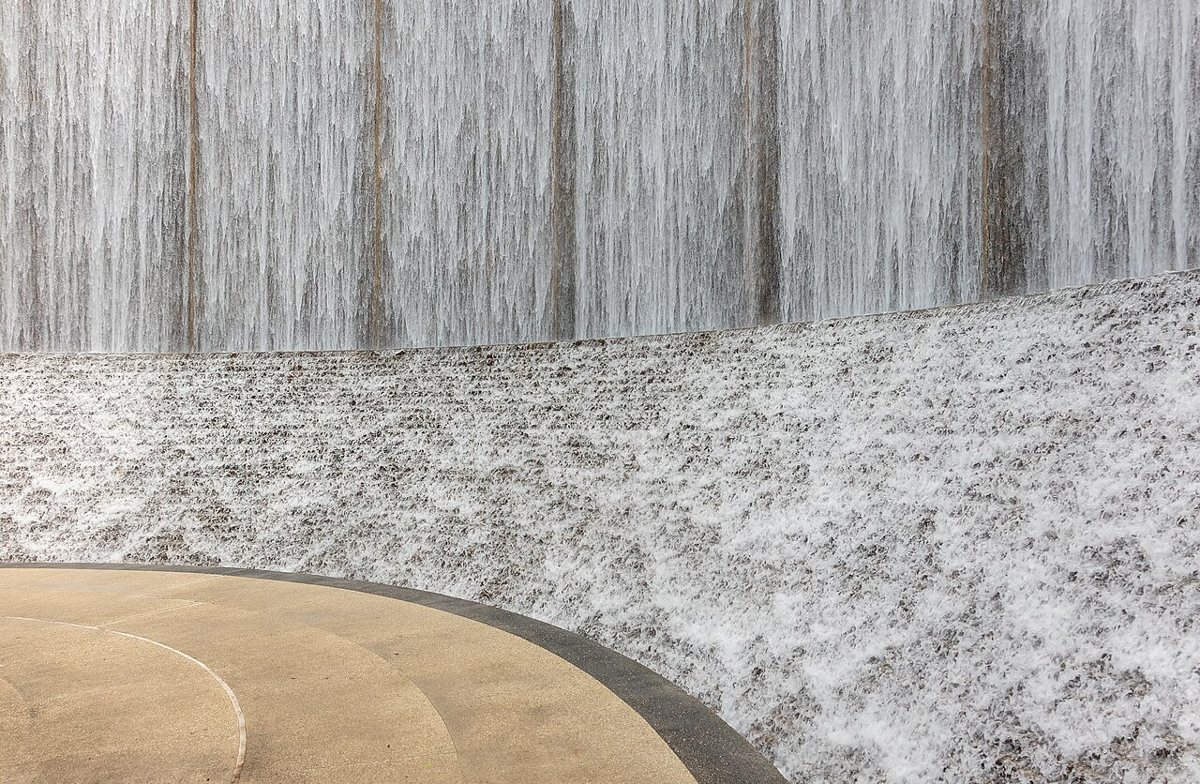
The Waterwall is small, a single 64-foot horseshoe-shaped fountain wrapped in ivy-covered arches, and it still draws photographers from across the city. Built in 1985 as a feature for the Williams Tower next door in the Uptown district, it draws a constant rotation of engagement shoots, quinceañera portraits, and tourists testing whether the roar of falling water actually drowns out conversation up close (it does). A small grove of live oaks surrounds the fountain, offering enough shade for an actual sit-down visit rather than a five-minute photo stop. The insider tip is to go at golden hour, when the low sun catches the mist kicked up by the water and the crowd thins from the midday photography rush. It's tucked into the Uptown/Galleria area, a quick detour for anyone already shopping or dining nearby.

Beyond the 610 Loop
Terry Hershey Park
Named for the conservationist who spent the late 1960s and 1970s fighting the Army Corps of Engineers to keep Buffalo Bayou from being straightened and concreted into a drainage channel, Terry Hershey Park runs for miles along the bayou through the Energy Corridor in west Houston. It's less a single destination than a long, continuous trail system, popular with road cyclists doing serious mileage and families out for a shorter stroller loop near any of its access points. The bayou here looks and feels different from its downtown stretch, wooded and quiet, with herons and the occasional alligator sighting reported by regulars. The insider tip is to pick an access point based on distance rather than trying to see the whole thing in one visit, since the park stretches roughly fifteen miles and rewards a focused loop over an ambitious one. It runs through west Houston, well outside the Loop, easily reached from the Energy Corridor and Memorial-area neighborhoods.

Bear Creek Pioneers Park
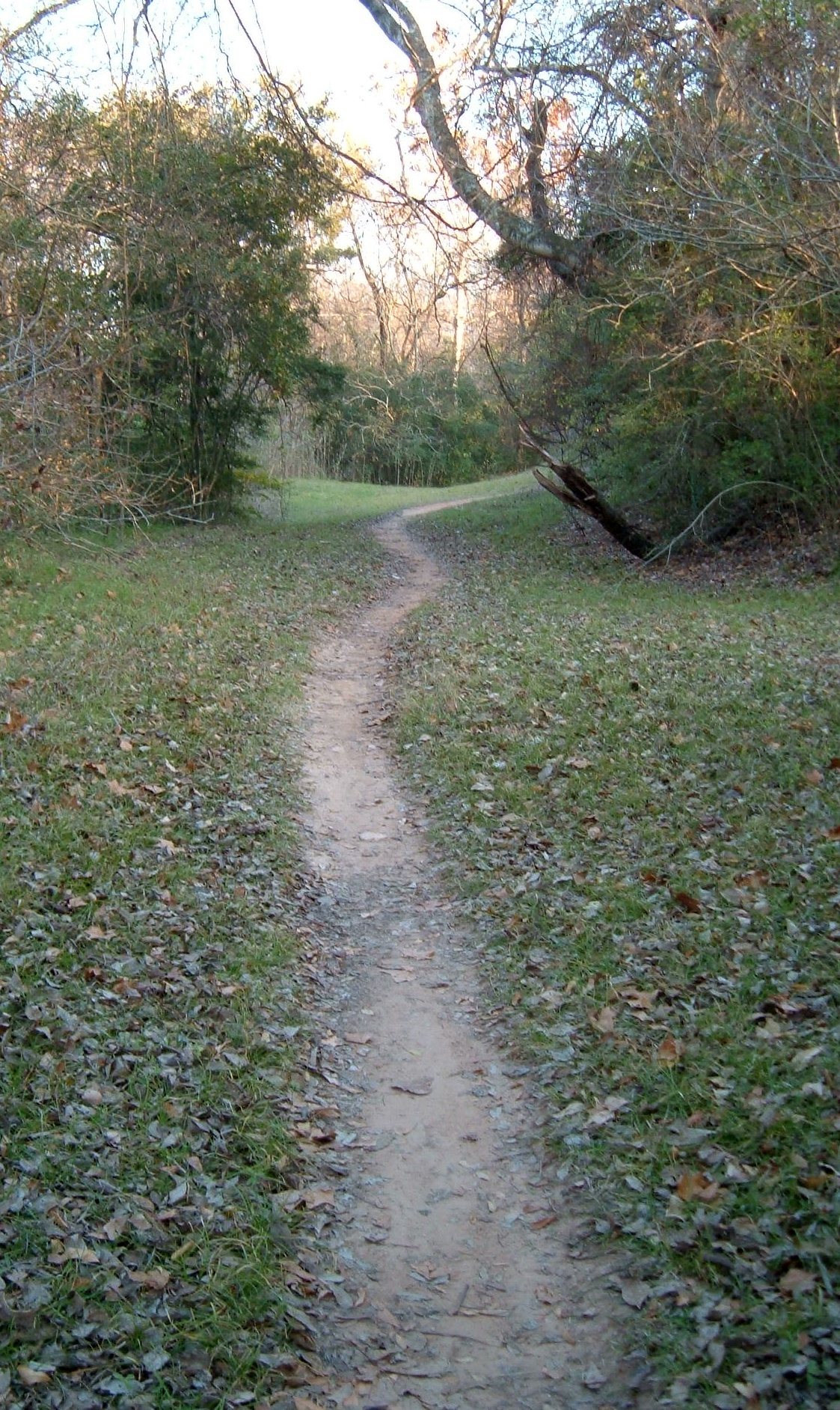
Out past Terry Hershey Park, near Copperfield and the Addicks Reservoir, Bear Creek Pioneers Park is a sprawling Harris County park that reads as genuinely rural compared to anything inside the Loop: dense wooded trails, disc golf, softball complexes, an equestrian center, and a stretch of Bear Creek running through the middle of it. It's a working park for the surrounding suburban neighborhoods rather than a tourist stop, which is exactly why it's worth the drive, since it delivers space and quiet that denser parts of the city simply don't have. The insider tip is to explore the wooded trail loops on the park's eastern side, which see far less traffic than the picnic and sports fields near the main entrance. It sits well west of the city center, closer to Katy and Cypress than to downtown, a legitimate half-day trip rather than an afternoon add-on.

Practical Notes for Seeing Houston's Parks
A few things make park-hopping in this city easier than the sprawl suggests. None of these parks require reservations for basic access, and most cluster in ways that let you string two or three together in one outing rather than treating each as a separate errand across town.
- Buffalo Bayou Park, Eleanor Tinsley Park, and Sam Houston Park connect by trail, so parking once near Sabine Street can cover all three.
- Hermann Park sits close enough to the Museum District that a single parking spot can serve a museum visit and a park walk in the same trip.
- Morning and early evening beat midday for anything with significant walking, especially from late spring through early fall, when afternoon heat and sudden thunderstorms are simply part of the calculation rather than a reason to skip the outdoors.
- Rideshare or the METRORail Red Line can substitute for parking at the busiest downtown and Museum District parks on weekends.
- Bring cash or a card for paddle boat and kayak rentals at Discovery Green and Buffalo Bayou Park, since availability and pricing change seasonally.
- The parks west of the Loop, including Memorial Park, Terry Hershey Park, and Bear Creek Pioneers Park, are far easier to reach with a car than by transit, so plan those as driving trips rather than transit-and-walk outings.
- Several of these parks, including Discovery Green, Hermann Park, and Levy Park, run their own seasonal event calendars through their conservancies, so it's worth checking each organization's own listings directly before a visit if programming matters to the trip.
Why Houston's Parks Deserve Better Than the Postcard Version
The mistake most outside coverage makes is treating Houston's parks as a novelty, proof that a city known for freeways and oil money also, surprisingly, has some grass. That framing gets the causation backward. This park system exists because residents in specific neighborhoods, from Reverend Yates and the founders of Emancipation Park in 1872 to Terry Hershey fighting the Army Corps a century later to the conservancies now rebuilding Memorial Park's ecosystem, decided their patch of the city deserved investment and then did the unglamorous work of getting it. No zoning code laid this out for them. A city without a master land-use plan built one of the more ambitious urban park systems in the country through sheer neighborhood insistence, park by park, bayou by bayou.
What results is a set of green spaces that actually reflect the city around them rather than a single sanitized idea of what a park should be. Hermann Park sits in conversation with the museums and Rice University next door. Emancipation Park and MacGregor Park carry Third Ward history that has nothing to do with tourism. Terry Hershey Park exists because someone refused to let a bayou get paved over. Taken together, that's a more honest measure of the best parks in Houston than any single ranked list: not which one has the prettiest fountain, but which ones the city actually needed and built.
Visit enough of them and a pattern emerges that has nothing to do with lazy comparisons to bigger, older cities. Houston didn't inherit its green space from a nineteenth-century planning commission the way New York got Central Park or Chicago got its lakefront. It built parks the way it built everything else, piecemeal, driven by whichever community or philanthropist or conservancy cared enough to push a project through, which means the parks themselves carry more local specificity than a planned system usually allows. A visitor who only hits Hermann Park and Discovery Green sees a fraction of the story. One who also spends an afternoon at Emancipation Park or rides the Brays Bayou trail past MacGregor Park starts to understand a city that built its public space the same way it built its population, out of insistence rather than design.