Best Italian in the Heights: A Local's Guide
Forget the star ratings. Here's how a Heights local actually judges a plate of pasta, and how to build your own short list of favorites in a neighborhood that argues about this constantly.
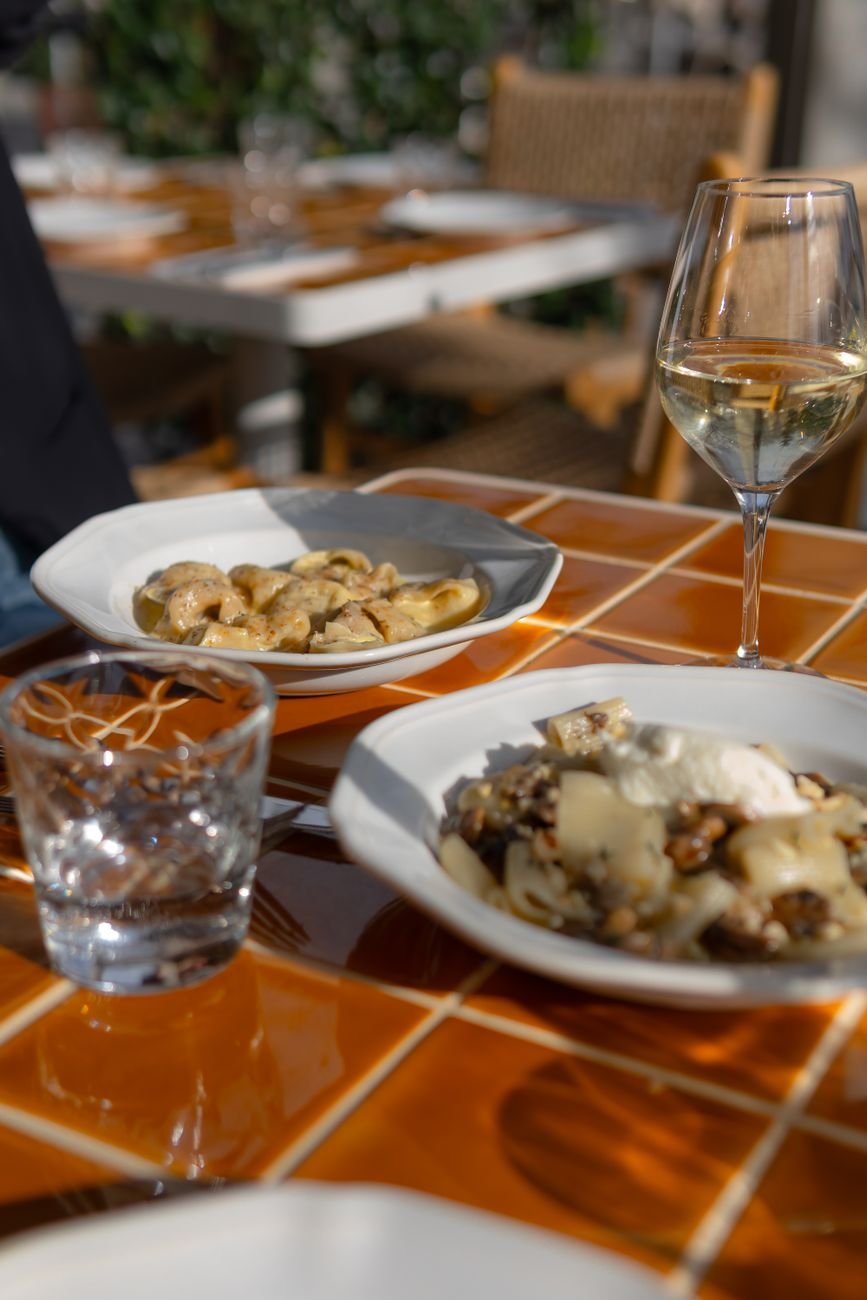
Walk 19th Street on a Tuesday around six and you catch it before you see it: garlic and butter drifting out through a propped kitchen door, mixing with the diesel smell of the trolley and somebody's cigar smoke from a bungalow porch two doors down. That collision of smells is the Heights in one breath, old shotgun houses and new money and a food scene that quietly rivals anything south of 610. Ask five neighbors for the best Italian in the Heights and you'll get five different answers, which says more than any ranked list could: this neighborhood doesn't have one definitive Italian restaurant, it has an ongoing argument about what Italian should taste like.
That argument is worth having carefully, because Houston's Italian scene has grown up fast. It's no longer just red-sauce spots with breadsticks and a wine list built around Chianti in a straw basket. The Heights now supports the full range: austere Roman-style trattorias built around four pasta shapes and nothing else, wood-fired Neapolitan pizza counters that guard their dough hydration like a family secret, and newer rooms leaning into Emilia-Romagna or coastal Amalfi cooking with Gulf ingredients standing in for the Mediterranean. None of that happened by accident. It happened because Heights diners, raised on the neighborhood's Vietnamese and Tex-Mex kitchens, already expected precision and didn't see why Italian food should get a pass.
What Actually Makes Italian Food Great in the Heights
Great Italian cooking, here or in Bologna, comes down to restraint. A kitchen that respects the cuisine lets three or four ingredients do the work instead of stacking on flavor to cover for shortcuts. Pasta should taste like the wheat it's made from, not just the sauce poured over it. A good carbonara has no cream in it. A proper cacio e pepe is really just cheese, pepper, and starchy pasta water coaxed into an emulsion, which is far harder to pull off than it sounds. If a kitchen can nail that simple dish consistently, everything more ambitious on the menu tends to follow.
The other marker is regionality. Italy isn't one cuisine, it's twenty, and a Heights restaurant that commits to a specific region, whether that's Sicilian seafood or Ligurian pesto, usually cooks with more confidence than one trying to cover the whole country. Watch for a menu that changes with the seasons rather than running the same laminated card year-round. Gulf snapper standing in for branzino, or local tomatoes only showing up in August, is a good sign the kitchen is actually cooking rather than reheating.
How to Pick the Best Italian in the Heights for Your Night Out
There's no single crown to hand out, so the smarter move is picking the right room for the occasion. A few things worth checking before you sit down:
- Look at the pasta list first. A short, confident list of five or six shapes usually beats a menu of twenty that can't possibly all be made fresh in house.
- Ask what's baked in-house. Bread and dessert are where a lot of kitchens quietly cut corners, and a house-made tiramisu or focaccia tells you something about the rest of the operation.
- Check the wine list for anything beyond the big three regions. A restaurant pouring lesser-known Italian producers by the glass is usually run by people who care.
- Notice how the host treats a walk-in on a slow Tuesday versus a packed Saturday. Hospitality that doesn't change with the crowd is a real signal.
- Read the specials, not just the standing menu. Specials are where a chef shows what they actually want to cook.
If you're chasing a lively date-night room with a bar worth lingering at, that's a different search than if you want a quiet family dinner with a kid-friendly red sauce option. Both exist within a few blocks of each other in this neighborhood, and neither one is objectively the winner.
What to Order When You Sit Down
A few orders tend to separate the serious kitchens from the crowd-pleasers.
- Start with a raw or cured plate if the menu has one. It's the fastest read on ingredient quality before the cooking even starts.
- Order one pasta that isn't tomato-based. Cacio e pepe, carbonara, or a butter-and-sage preparation exposes technique with nowhere to hide.
- Get whatever whole fish or Gulf seafood dish is on the specials board. It tells you whether the kitchen is adapting Italian technique to Houston ingredients or just importing a menu wholesale.
- Save room for tiramisu over anything chocolate-forward. It's the dessert every Italian kitchen has strong opinions about, and a bad one is impossible to fake.
Portion size isn't the measure here. A smaller plate that arrives hot, seasoned with intention, and timed well between courses beats a mountain of pasta every time.
A Walkable Heights Evening
The neighborhood rewards making a night of it rather than treating dinner as a single stop. Park once near the hike-and-bike trail and let the evening unfold on foot: a drink first, dinner second, dessert or a nightcap somewhere else entirely. Pairing a pasta dinner with an early stop at one of the neighborhood's craft breweries gives the evening a rhythm that matches how the Heights actually operates, block by block, porch light by porch light. Afterward, a walk down Heights Boulevard past the bungalows, or a slower loop if you're building out a full evening itinerary in the neighborhood, is as much a part of the meal as anything on the plate.
What ties it together isn't a single address people whisper about. It's that the Heights treats Italian food the same way it treats everything else it cooks well: with real technique, real ingredients, and zero patience for a kitchen that's coasting. The best Italian in the Heights isn't one restaurant. It's a standard the neighborhood holds every kitchen to, and once you know what to look for, you'll find you can build a short list of your own in a single walkable evening.