Best Italian Restaurants in the Heights You'll Actually Love
A working guide to reading a Heights Italian menu before you sit down, from bungalow dining rooms to what the wine list gives away.
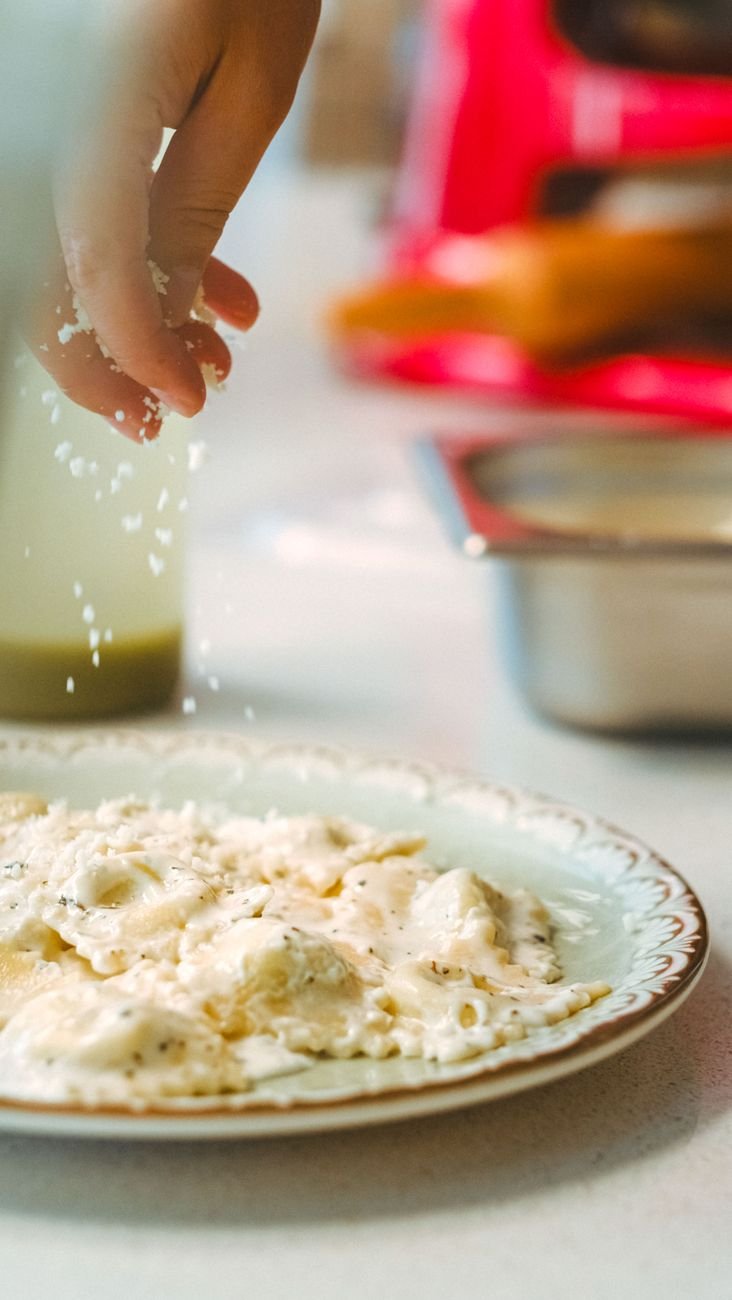
Walk into one of the converted bungalows off 19th Street around seven on a Friday and you'll notice the tell before you ever see a menu: the original heart-pine floors still creak under the chairs, the fireplace that used to heat somebody's living room now frames a wine rack, and the waiting area is a porch with a bench built for two people, not twelve. That's the physical shape a lot of the best Italian restaurants in the Heights take, because this is a historic district built almost entirely out of houses, and the restaurants that move in have to fit themselves into rooms drawn up for families, not for turning tables. Once you understand that constraint, a lot of what makes eating Italian here different starts to make sense: the small dining rooms, the patios squeezed into old side yards, the forty-minute waits on a Saturday when a twelve-table house can only seat so many people at once.
What Sets the Best Italian Restaurants in the Heights Apart
The neighborhood carries a long history as a dry area, a fact that still shapes its bar culture more than most visitors realize. Restaurants here built their wine and cocktail programs later and more deliberately than in neighborhoods with a longer drinking history, and you can taste the difference. A lot of Heights kitchens treat the bar as a second kitchen rather than an afterthought, which is part of why a short, well-chosen Italian wine list tends to say more about a restaurant's seriousness here than almost anywhere else in the city. Pair that with the bungalow-conversion layout and you get dining rooms that feel more like someone's actual house than a restaurant concept, which is exactly the point for a lot of regulars.
Walkability matters too. The stretch along 19th Street was built for people on foot, back when the Heights ran its own streetcar line, and a good Italian dinner here still tends to come bookended by a walk: past a bungalow with a wraparound porch, past a converted garage now selling records or coffee, into a dining room and back out again for a slow walk home or over to whichever brewery has a patio open that night. It changes the pacing of a meal. Nobody's circling a parking garage.
Handmade Pasta Versus Red Sauce: Reading the Menu First
Before you sit down, the menu will usually tell you which kind of Italian restaurant you're in, and neither kind is wrong. One tradition, rooted in Italian-American red-sauce cooking, leans on slow-simmered tomato gravy, meatballs, chicken parmesan, and a lot of shared platters meant for a table, not a single diner. The other leans toward the pasta programs built around fresh egg dough, specific regional sauces, and a menu that names the shape of the noodle because the shape actually changes how the sauce behaves. Neither approach is more legitimate than the other, but they call for different expectations, and a kitchen that tries to do both halfway usually does neither well.
A few menu signals are worth reading closely:
- Named pasta shapes (cacio e pepe, tonnarelli, orecchiette) usually mean a kitchen thinking about texture, not just flavor.
- An antipasti section with real technique behind it, not just a caprese assembled from supermarket mozzarella, is a decent proxy for how the rest of the kitchen operates.
- Wood-fired pizza that lists its dough fermentation time, even briefly, signals a program somebody actually built rather than bought.
- A wine list with a few Italian regional bottles beyond the standard Pinot Grigio and Chianti suggests a beverage director who cares as much as the chef.
What to Order
Order at least one dish from each register if the menu supports it: something classic and heavy (a bolognese, a baked pasta, a chicken parm) alongside something lighter and more technical (a raw preparation, a simple aglio e olio, a seasonal vegetable antipasto). That split usually reveals whether the kitchen can actually do both registers or is coasting on one. If the restaurant does wood-fired pizza, order it alongside a pasta rather than instead of one; the char and crust tell you as much about the oven as the pasta tells you about the pantry.
Patio Culture and Timing Around the Heights
Patios here do double duty as bar space and dining room overflow, especially once the weather turns tolerable in the shoulder seasons, and a restaurant with a genuinely good outdoor setup will often route walk-ins there first while the dining room finishes its turn. That's worth knowing if you're flexible: a party willing to sit outside can frequently skip the wait that a strict inside table requires. Weeknight dinners around 5:30 or after 8:30 are the easiest way to get a bungalow table without a reservation, since the Heights still runs on an early-dinner rhythm shaped by families and long-time residents alongside the newer crowd drawn in by the restaurant scene a few minutes south in Montrose. Reservations matter more on weekends than the neighborhood's laid-back reputation suggests, particularly at anything with fewer than a dozen tables.
How the Heights Fits Into Houston's Broader Italian Scene
None of this happens in isolation. The Heights sits inside a much larger conversation about how Italian cooking has evolved across Houston over the past decade, and the neighborhood's contribution has been specific: small, owner-driven rooms rather than large-format restaurants, a bar program built from scratch rather than inherited, and a dining pace set by the bungalows themselves. The takeaway for anyone hunting for the best Italian restaurants in the Heights isn't a single address to memorize. It's a set of things to notice on arrival: the porch, the wine list, the way the pasta is named on the menu, and whether the kitchen seems to know which tradition it's actually cooking in. Get those right and the specific restaurant matters less than you'd think.