Things to Do in Montrose: The Local Guide
Montrose packs world-class art, a genuine global food scene, and Houston's best bar-hopping strip into a few dozen walkable blocks, and this guide covers all of it without padding.
The reflecting pool at the Menil Collection catches the last orange light on a Tuesday evening while two women unfold beach chairs on the lawn, a bottle of wine wrapped in a paper bag between them, waiting for nothing more urgent than the sunset over Sul Ross Street. A block over on Westheimer, a couple splits a banh mi on a bench outside a row of vintage shops, and a bartender down the street is already restocking the popsicle freezer for the night ahead. Any honest list of things to do in Montrose has to start with scenes like these, because this neighborhood has spent decades absorbing whatever Houston needed a home for and rarely bothers to announce it with a sign.
Montrose sits just northwest of the Museum District and just south of Buffalo Bayou, and it holds the city's LGBTQ history, its serious art collectors, its Vietnamese refugee community, its punks, and its architects all inside the same few dozen blocks, often on the very same block. The result is a neighborhood of low bungalows and live oaks that somehow also supports a world-class art campus, a strip of bars that never quite agree on a dress code, and enough banh mi counters and taco trucks to make a case for Montrose as Houston's real food neighborhood, Tex-Mex included. None of it announces itself with a skyline. You find it by walking Westheimer Road end to end, or by turning down a side street because a mural caught your eye, and the neighborhood keeps rewarding that kind of aimless wandering more than almost anywhere else in the city.
Things to Do in Montrose Start With Its Art
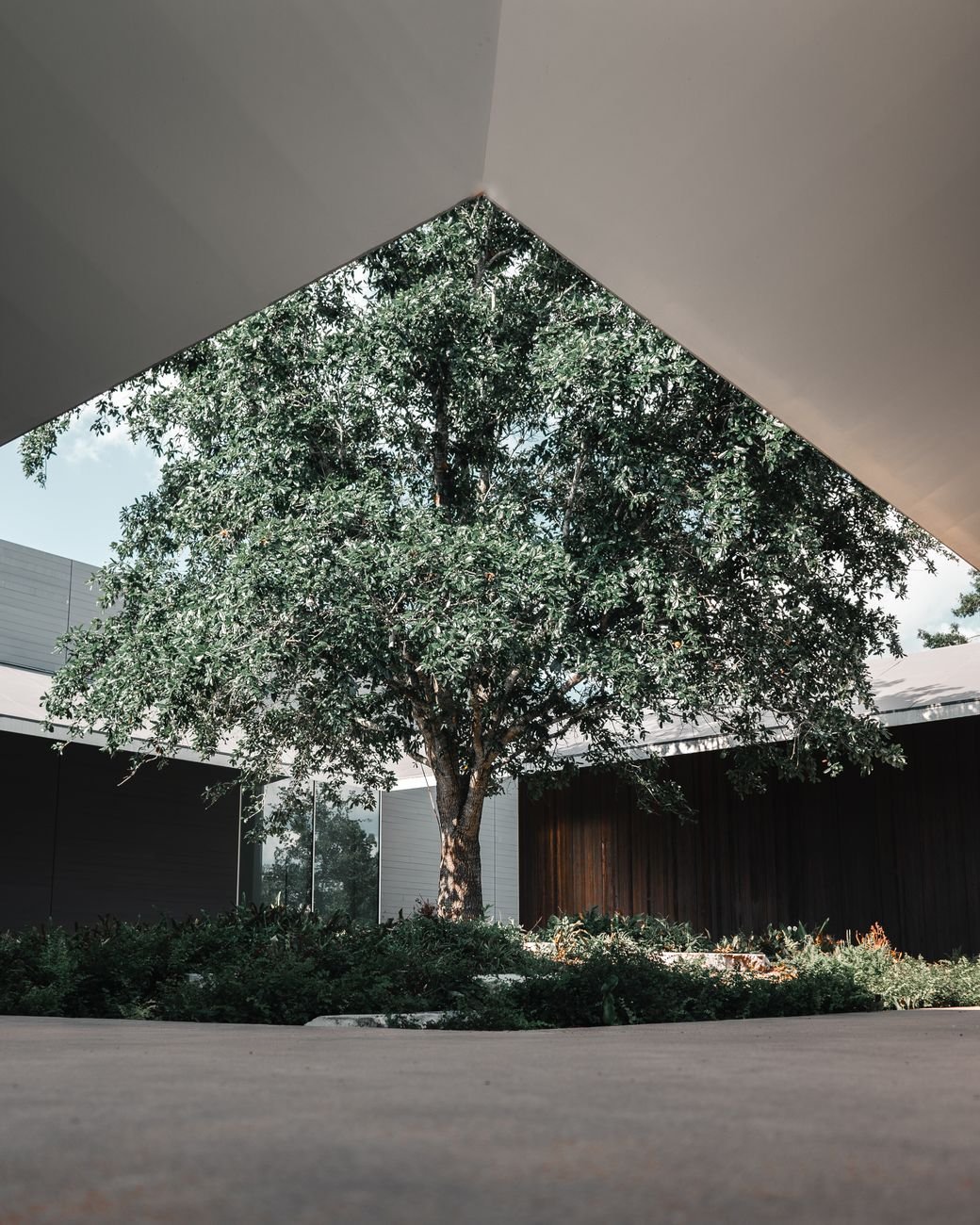
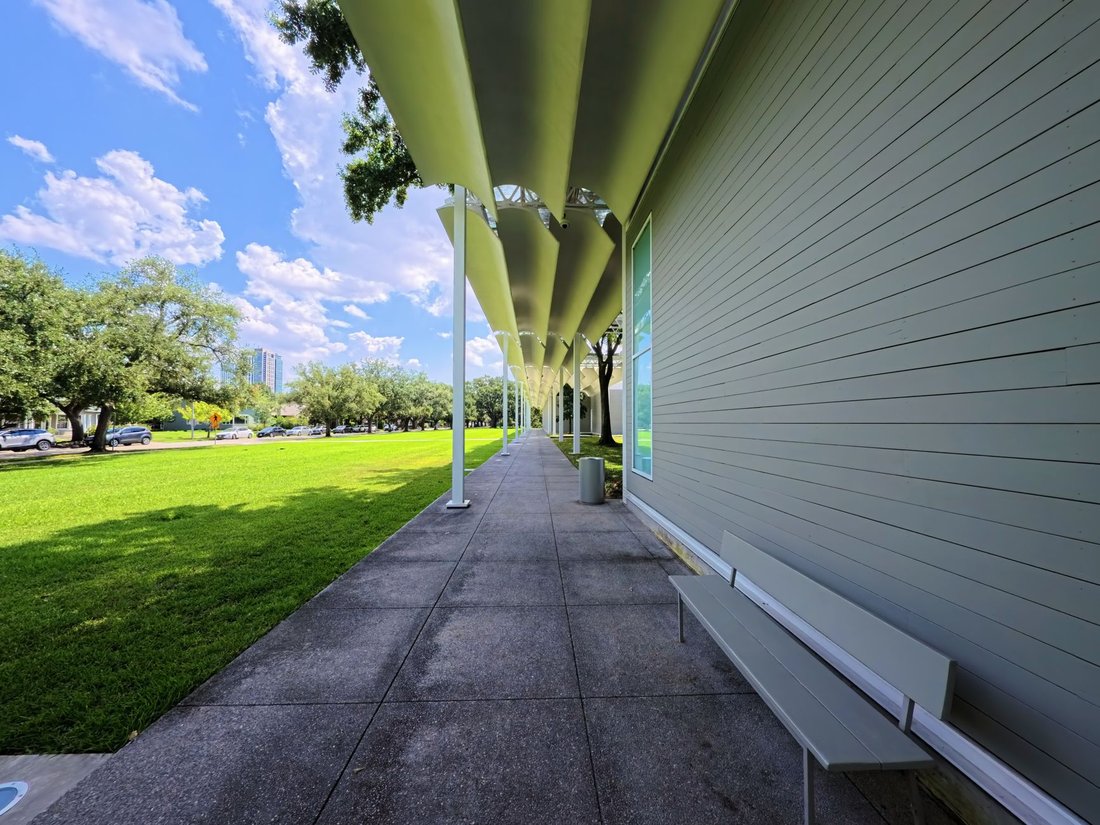
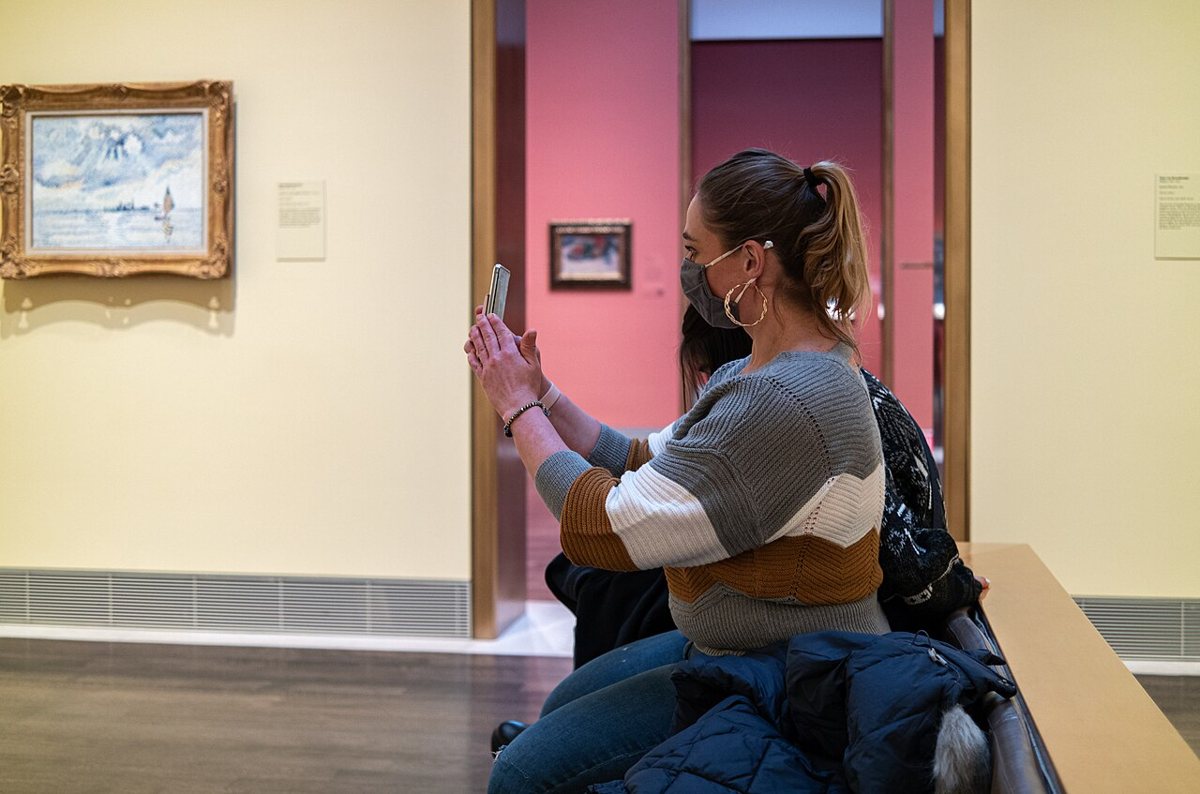
The Menil Collection anchors the neighborhood both geographically and spiritually. John and Dominique de Menil built their collection into a low, unassuming museum building set on a green campus of century-old oaks, and admission to the main galleries has traditionally been free, which alone makes it one of the best uses of a free afternoon in Houston. Inside are Byzantine icons, Surrealist paintings, African and Pacific Island art, and a rotating run of work by Magritte, Max Ernst, and other twentieth-century names that would headline any museum in the country. Go on a weekday morning if you want the galleries close to yourself, and budget time afterward to just sit on the lawn, because the grounds are as much the point as the art inside. The campus sits along Sul Ross and Mandell, an easy walk from the rest of central Montrose.
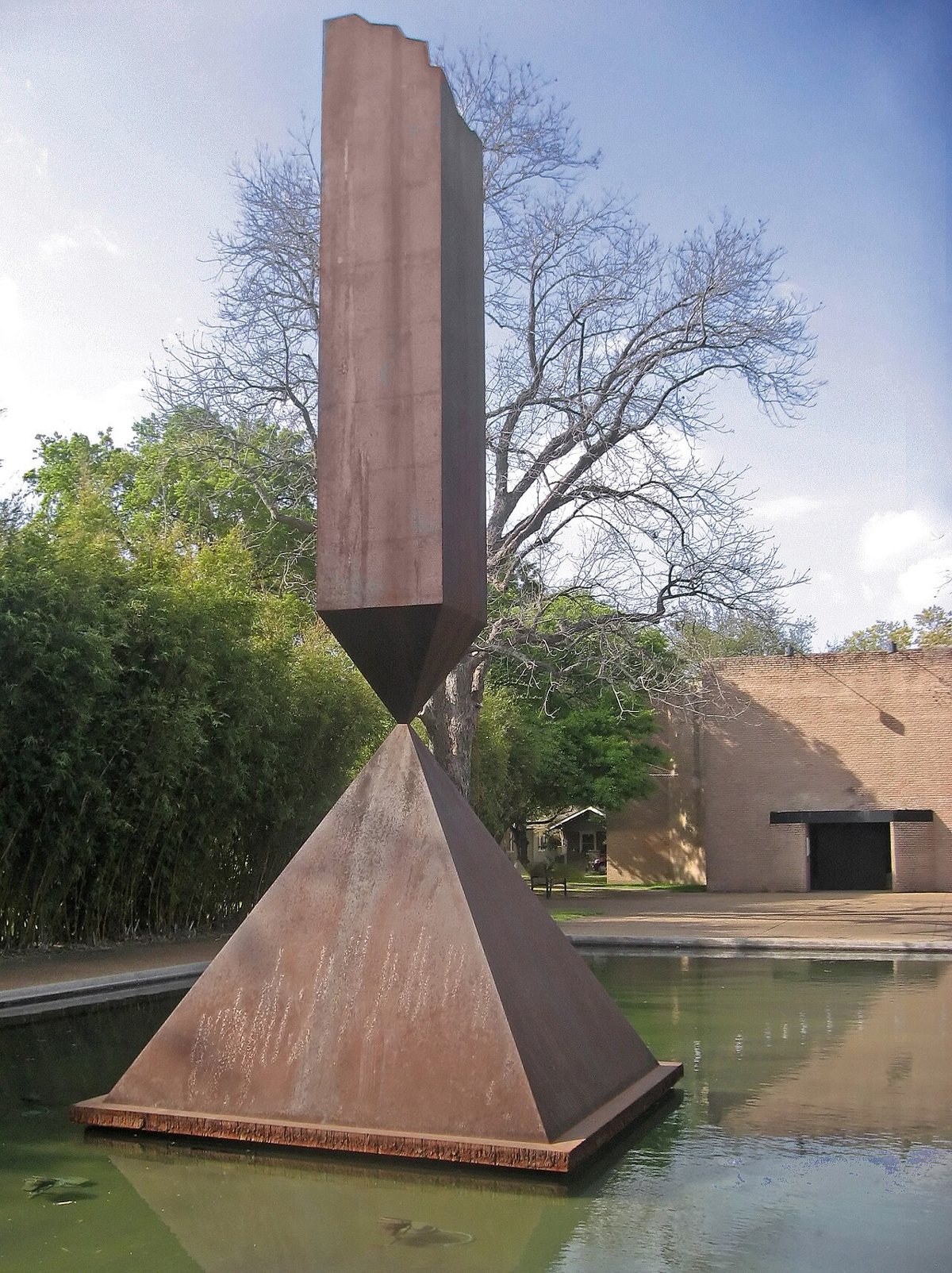
Two minutes on foot from the Menil, the Rothko Chapel is a squat, windowless brick building that does not look like much from the street and then rearranges your sense of scale the moment you step inside. Mark Rothko painted fourteen large, nearly black canvases specifically for this octagonal room, and the chapel has functioned for decades as a nondenominational space for meditation, quiet grief, and interfaith gatherings. It stays open to visitors most days at no charge, and the etiquette is simple: keep your voice down, give the room time, and resist treating it like a quick photo stop. Outside, Barnett Newman's Broken Obelisk sculpture sits over a reflecting pool that has become an unofficial gathering spot for Montrose in the evenings, especially once the heat of the day breaks.

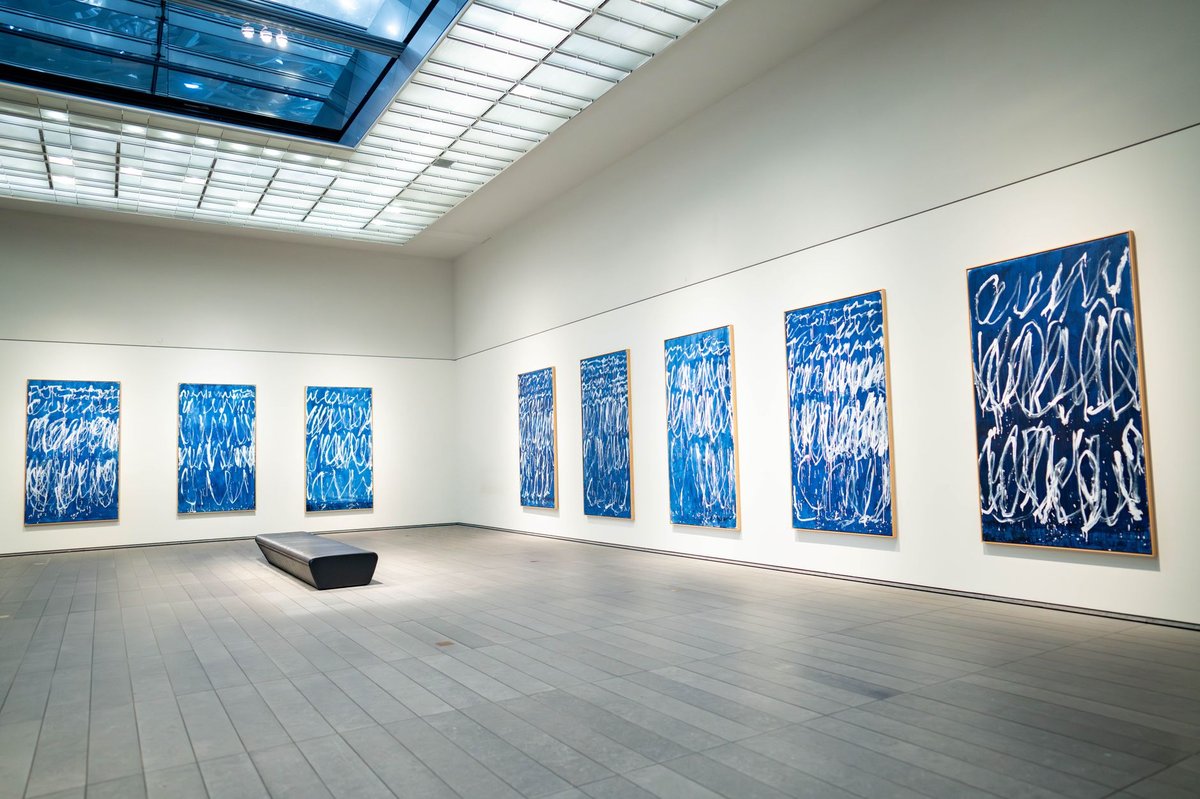
A short walk from both, the Cy Twombly Gallery is the Menil campus's quietest surprise, a single building designed to hold nothing but Twombly's own large-scale paintings and sculptures under a louvered roof that filters daylight instead of blocking it. Serious art visitors treat it as a required stop, and it rarely draws a crowd even when the main Menil building is busy, so it is worth the extra few minutes if you have any interest in postwar American painting. Pair it with the Menil Drawing Institute next door if it happens to be open during your visit, since the two buildings share the same campus, the same quiet, and the same free admission policy that makes this whole stretch of Montrose worth an unhurried morning.
A Short Detour Into the Museum District
Montrose blends into the Museum District along its southeastern edge, and the Museum of Fine Arts, Houston sits close enough that skipping it feels like an oversight. The MFAH is one of the largest art museums in the country, with encyclopedic holdings that span ancient artifacts through contemporary installations, plus a sculpture garden and a separate glass building devoted to its Latin American collection. It charges admission for most special exhibitions, though the museum has offered free or reduced-cost general admission at various points, so it is worth checking current policy before you go. Give yourself at least half a day, since the collection is genuinely too large to see properly in an hour, and use the walk over from Montrose as a chance to watch the neighborhood's bungalows give way to the grander scale of Hermann Park's edge.

Montrose Dining: Vietnamese, Tex-Mex, and Everything Between
Ask most Houstonians where to eat well without spending much, and Montrose is usually part of the answer before Tex-Mex even comes up. Vietnamese Houston runs deep here and just east toward Midtown, and the neighborhood's pho counters and banh mi shops are the kind of places where a cheap lunch turns into a standing weekly habit. Montrose is a reasonable place to start tasting your way through it, since the neighborhood's Vietnamese kitchens tend to run family-owned and unpretentious, heavy on fresh herbs and light on ceremony. Houston's Vietnamese food scene rewards exactly that kind of wandering, one strip-mall storefront at a time, and a bowl of pho eaten at a folding table on a strip-mall patio tells you more about the city than most sit-down dinners ever will.
Tex-Mex and the Rest of the Map
Montrose does not skip Tex-Mex, it just refuses to let it be the only story on the menu. Long-running neighborhood spots serve the queso-and-fajitas standard well, but the same three blocks might also hold a Mediterranean grill, a Pakistani kitchen, a wood-fired pizza counter, and a diner that has been slinging breakfast tacos since before brunch was a national pastime. That range is the actual point of eating in Montrose: nobody expects a single cuisine to carry the whole night, and a lot of the best meals happen at a folding table on a patio rather than inside a dining room with white tablecloths and a reservation line. Come hungry and plan to order more than one small plate rather than committing to a single entree, since sharing plates across two or three kitchens in one night is closer to how this neighborhood actually eats than any single sit-down meal.
Coffee Shops and Daytime Montrose
Café Brasil
Café Brasil has been the neighborhood's living room for decades, a corner coffeehouse on Westheimer with a patio that fills up with laptops in the morning and slow conversations by early evening. It is unpretentious in a way that has become almost rare in Houston coffee culture, with a menu that leans simple and a crowd that spans art students, longtime Montrose residents, and whoever just got off a shift nearby. Sit outside if the weather allows, order the coffee over the fancier drinks, and expect to run into someone you half-recognize, because that is the neighborhood function this place has always served. It sits along Westheimer Road, close enough to walk to most of Montrose's other daytime stops without needing a car.
Blacksmith
Blacksmith raised the bar for coffee quality in Montrose when it opened, and it still draws a line of people willing to wait for a well-pulled espresso or a careful pour-over. The space itself is small and design-forward, with baristas who know their equipment and a rotating list of single-origin beans for people who care about that sort of thing. Come on a weekday morning rather than a weekend if you want a seat, and order something off the espresso side of the menu rather than a straight drip coffee, since that is where the shop's reputation actually comes from. It is another Westheimer Road stop, an easy pairing with an afternoon of gallery hopping through the rest of central Montrose.
Bars and Nightlife
Agora
Agora looks like nowhere else in Houston: a Mediterranean-themed coffeehouse and bar built from salvaged wood, dripping candle wax, and walls stacked floor to ceiling with empty wine bottles collected over years. The drink menu runs to wine, beer, coffee, and simple cocktails, and the appeal has never really been about mixology so much as atmosphere, since the whole space feels lit for a long, unhurried conversation rather than a quick round. Claim one of the small tables early if you can, because the room fills fast after dark, and treat the candlelight as an excuse to leave your phone in your pocket for an hour. It sits on Westheimer Road, in the thick of Montrose's bar strip.
Poison Girl
Poison Girl is a proper dive bar with a jukebox worth arguing over, a back patio strung with lights, and a freezer of boozy popsicles that has become the bar's unofficial signature. It draws a mixed, unfussy crowd, the kind of place where a first date and a table of regulars can share the same patio without either group feeling out of place. Order a popsicle alongside whatever you are drinking, especially in warmer months, and expect the crowd to thicken considerably later in the evening as neighboring bars close out for the night. Poison Girl sits right on Westheimer, an easy stagger from Agora and the rest of the strip.
Boheme
Boheme trades the dive-bar energy of its neighbors for a quieter, candlelit courtyard built around wine and conversation rather than a crowd. The back patio, wrapped in string lights and greenery, is the draw here, and it works equally well for a first date or a solo glass of wine with a book. Reserve a patio table if you are coming as a group on a weekend, since the courtyard's charm means it fills up fast, and lean on the staff for a wine recommendation rather than working through the list on your own. It sits a block off the main Westheimer strip, tucked into a quieter corner of the neighborhood.
Shopping and Vintage Along Westheimer
Westheimer Road is Montrose's spine, and walking its full stretch through the neighborhood is close to a required activity in itself. Vintage and resale shops sit shoulder to shoulder with tattoo studios, independent boutiques, and the occasional psychic reading parlor, and the mix changes block by block rather than settling into any single theme. Plan for an unhurried afternoon rather than a quick errand, wear shoes built for a few miles of sidewalk, and treat the murals painted on side walls and loading docks along the way as part of the shopping trip rather than a separate stop. If you have already spent an afternoon poking through the antique malls of the Heights, Montrose's version of vintage shopping runs younger, weirder, and less polished, which is exactly its appeal. The Heights rewards a slower, more polished kind of browsing; Montrose rewards the opposite instinct, and both are worth a full day if you have the time to compare the Heights against its stranger neighbor to the south.

Cactus Music
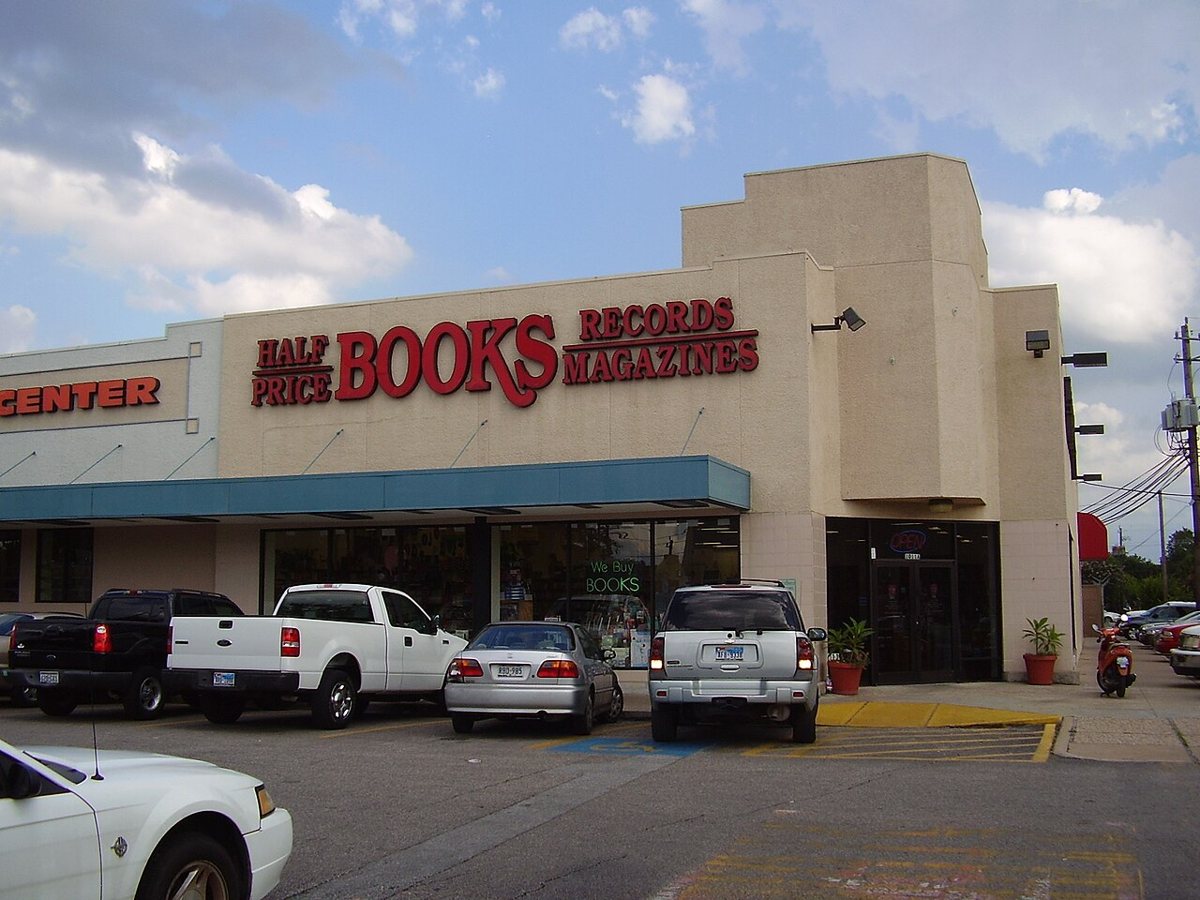
Cactus Music is one of the last independent record stores of its size left in Houston, a deep, well-organized shop that has outlasted most of its former competitors by actually knowing its inventory. Vinyl, CDs, and a genuinely knowledgeable staff make it worth a visit even if you do not own a turntable, since the in-store events and local artist displays give a good read on what Houston's music scene is paying attention to this season. Ask the staff for a recommendation rather than browsing blind, because that kind of conversation is the whole reason a shop like this has survived while chain stores around it closed. It sits on the western edge of the neighborhood, easy to fold into a longer day around Montrose.
Parks and the Outdoors Around Montrose
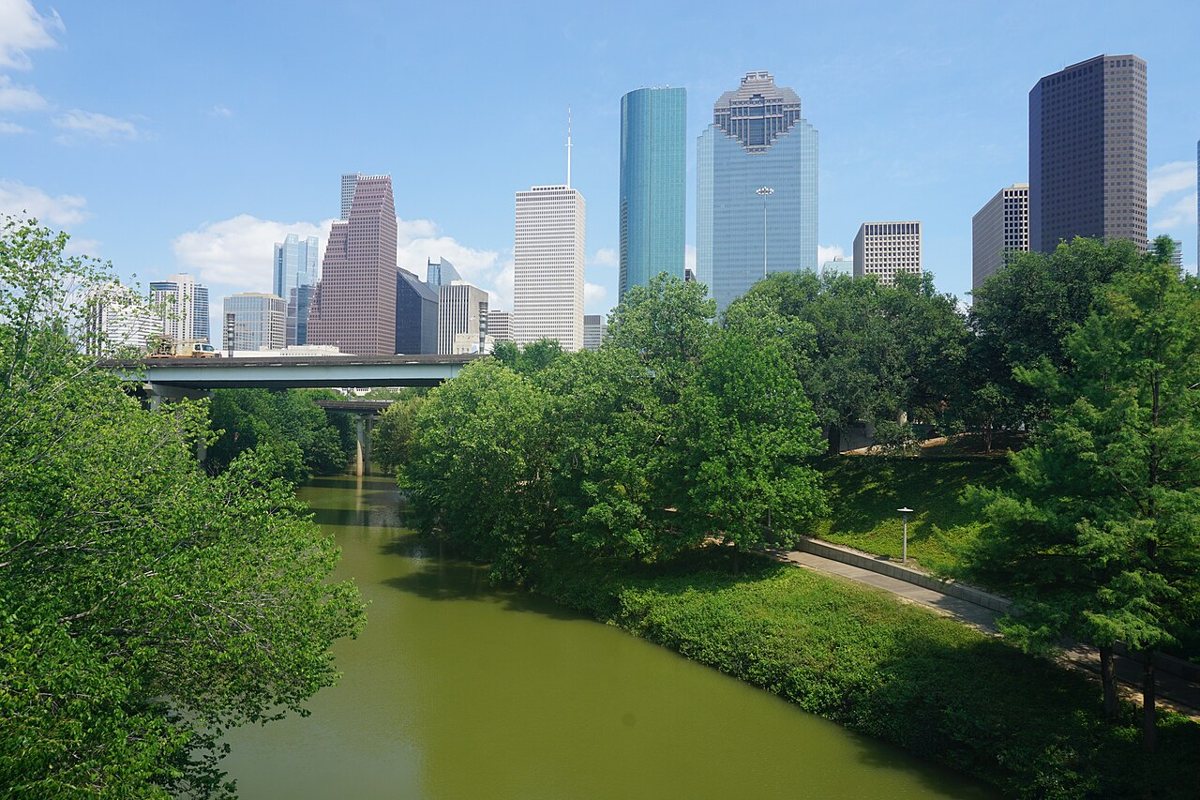
Buffalo Bayou Park runs along Montrose's northern edge, a long green corridor cut through by the bayou itself, with paved paths for running and cycling, sculpture installations, and skyline views that photograph better at dusk than almost anywhere else in the city. The Waugh Bridge bat colony at one end draws crowds at sunset for a genuinely strange wildlife show, and the park's dog runs and picnic lawns make it as functional for a Tuesday evening as for a weekend outing. Rent a kayak if the water level and season cooperate, or just walk the trail from the Montrose side toward downtown for one of the better free views of the skyline anywhere in Houston.

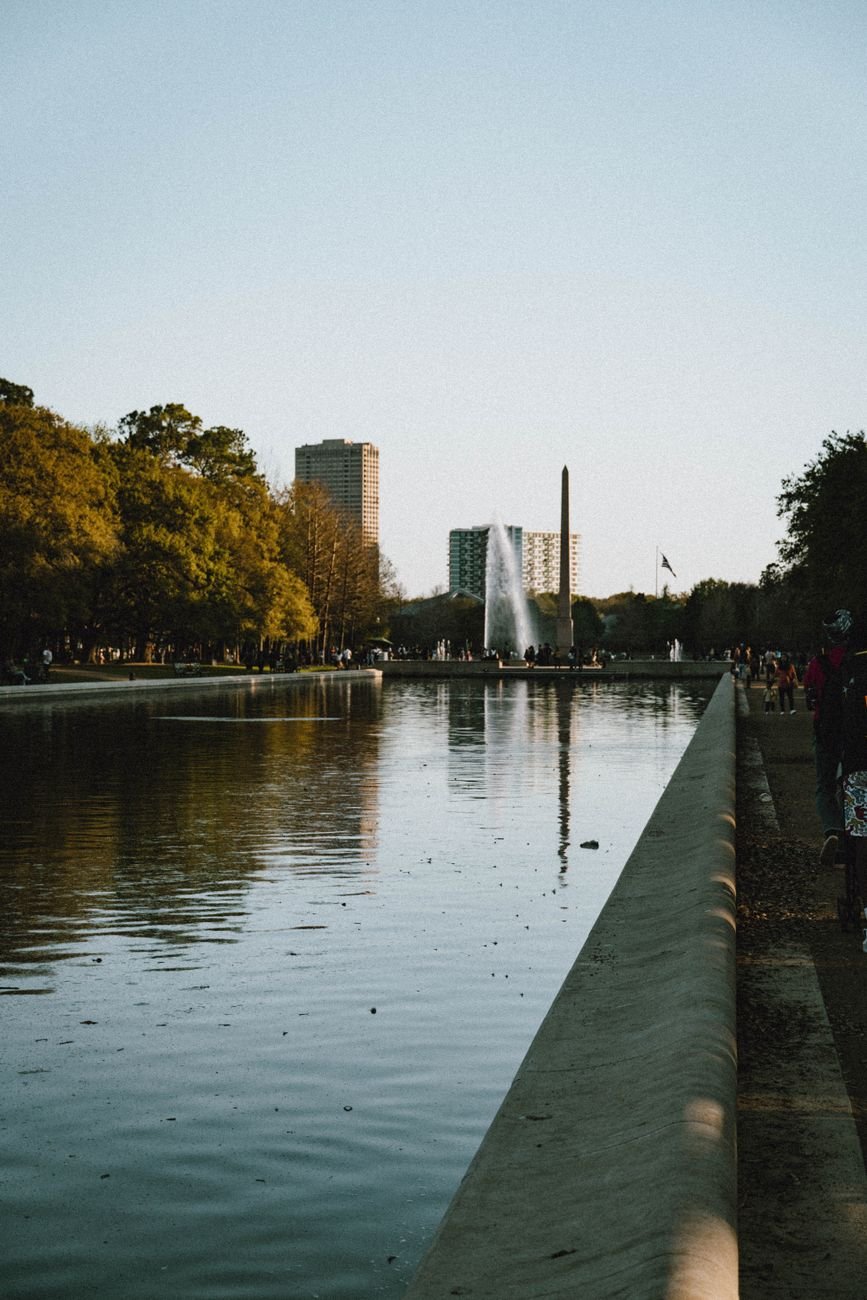
Hermann Park sits just south of the Museum District, a short drive or a longer walk from central Montrose, and it functions as Houston's version of a great American city park, with a reflecting pool, a Japanese garden, paddle boats, and enough open lawn for every kind of picnic imaginable. Weekend mornings bring joggers and families in equal number, and the park's small train and pony rides make it an easy stop if you are traveling with kids after a morning at the museums nearby. Combine it with a Museum District stop, since several of Houston's major museums sit within walking distance of the park's edges.
The Houston Zoo sits inside Hermann Park and remains among the most popular family outings in the city, with well-regarded big cat and primate exhibits and an aquarium section that has made it worth a repeat visit even for people who grew up going as kids. Arrive early on a weekend morning if you want manageable crowds and animals that are still active before the day heats up, and plan for several hours if you intend to see the whole property rather than a partial loop through the main paths. It is a natural pairing with a Hermann Park visit, since the two share the same stretch of parkland just south of Montrose proper.
Getting Around, Timing It Right, and What's Free
Montrose rewards walking more than most Houston neighborhoods, and Westheimer Road, Montrose Boulevard, and the streets around the Menil campus are genuinely walkable in a way that surprises visitors expecting a car-only city everywhere. Even so, a car or rideshare still makes sense for covering ground between Montrose, the Museum District, and Buffalo Bayou Park in a single day, since the distances add up even when any one stretch feels short on its own. None of this requires much planning, but a few practical notes are worth keeping in mind before you build out a full itinerary around the neighborhood:
- Weekday mornings are the quietest time to see the Menil, the Rothko Chapel, and the museums without crowds; evenings and weekends bring out the bars and restaurant lines instead.
- The Menil Collection and Rothko Chapel have historically offered free general admission, and the Museum of Fine Arts, Houston has offered free or discounted admission at various times, so check current hours and any admission policy before you plan a day around it.
- Street parking in central Montrose can be tight on weekend nights, especially along the restaurant and bar stretch of Westheimer, so build in extra time or plan to rideshare for a night out.
- Buffalo Bayou Park, Hermann Park, and the Houston Zoo grounds are largely outdoor, and the parks themselves are free to walk even on days when you are not paying for a specific attraction inside them.
- Montrose and the Museum District sit close enough together that a single day can reasonably cover an art museum, a park, and dinner without much backtracking between them.
Why Montrose Still Works
Every Houston neighborhood claims some version of character, but Montrose is one of the few that has kept its character while the rents around it climbed steadily for years. The same blocks that hold a world-class art museum also hold a dive bar that has not changed its jukebox in a decade, and the same strip that hosts a quiet wine bar also holds a taco truck that has been parked in the same lot since before the wine bar existed. That friction is not an accident of zoning, and no planning commission could have engineered it on purpose. It is what happens when a neighborhood absorbs Houston's arts scene, its immigrant food culture, and its LGBTQ history all at once, over decades, and never bothers to smooth the edges between them. Go for the Menil and stay for the bar down the street, or go the other way around. Either order works, and that argument alone is why a full day here beats a rushed afternoon every time.